
NEWS
US Ends Major HIV/AIDS Funding for South Africa Amid Deepening Diplomatic Rift

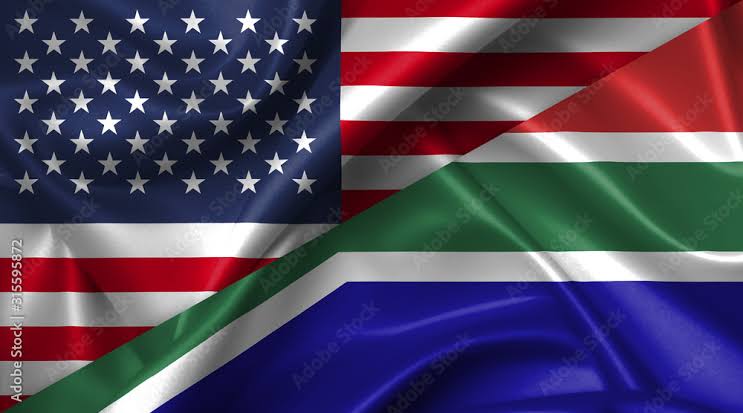
The United States government has announced plans to discontinue funding programmes in South Africa aimed at combating the spread of HIV and Aids, a move that could have significant implications for one of the world’s largest HIV treatment and prevention efforts.
South Africa carries the highest HIV burden globally, with more than eight million people currently living with the virus. For years, the country has relied in part on financial support from the United States through the President’s Emergency Fund for Aids Relief (Pepfar), a programme widely credited with helping save millions of lives across Africa.
The latest decision marks another chapter in the deteriorating relationship between Washington and Pretoria, with the US State Department appearing to connect the funding withdrawal to what it described as South Africa’s failure to adequately protect the white-minority Afrikaner community.
South African authorities have repeatedly rejected such allegations, insisting that all citizens are protected under the country’s laws and constitution.
Responding to reports of the funding withdrawal, South Africa’s Health Ministry stated that it had not yet received formal notification from the United States government.
However, officials emphasized that the country had already been preparing for greater independence in funding its public health programmes.
According to the ministry, South Africa has “long been working on a self-reliance plan”, a strategy designed to reduce dependence on foreign assistance and strengthen domestic funding mechanisms for healthcare services.
Until 2025, the United States was contributing an estimated $400 million (£300 million) annually to South Africa’s HIV response through Pepfar. The funding accounted for roughly one-fifth of the country’s total HIV programme expenditure and supported a range of prevention, testing, treatment, and community outreach initiatives.
Relations between the two countries have become increasingly strained since the inauguration of President Donald Trump. Shortly after assuming office, Trump signed an executive order alleging that “countless” South African policies dismantled equal opportunities and fuelled violence “against racially disfavored landowners”.
The South African government strongly disputes those claims, arguing that its Black Economic Empowerment policies are necessary measures intended to address longstanding economic inequalities inherited from the apartheid era.
In addition to concerns about domestic policies, the executive order cited South Africa’s legal case against Israel at the International Court of Justice and the country’s diplomatic ties with Iran as factors influencing Washington’s stance.
The White House subsequently stated that because of these “unjust and immoral practices”, further assistance to South Africa would not be provided.
President Trump has also repeatedly claimed that a “white genocide” is occurring in South Africa, allegations that have been widely rejected and discredited by analysts, researchers, and international observers. The administration’s position led to the creation of a refugee programme specifically for Afrikaners, descendants of European settlers who arrived in southern Africa during the 17th century. They currently represent one of the few refugee groups being admitted into the United States under the programme.
Although Pepfar funding was granted a temporary extension through what officials described as a “bridge plan” last October, that arrangement now appears to be coming to an end.
A US State Department official confirmed that a “phased drawdown” of Pepfar funding would commence, citing “South Africa’s failure to make demonstrable progress on policy requests by the administration”.
The official further stated that the objective of the US government was to “foster self-reliance” and reduce dependence on American financial support. According to the official, “South Africa is a middle-income country and is more than capable of supporting its own health programs”.
Despite the looming withdrawal of US assistance, South African health authorities have sought to reassure citizens that critical HIV treatment services will continue uninterrupted. The Health Ministry noted that while Pepfar funding supported various aspects of the HIV response, the procurement and distribution of life-saving antiretroviral medicines were financed separately, with the majority of funding provided directly by the South African government.
Efforts to repair diplomatic relations between Washington and Pretoria have yielded little success. One of the most notable attempts came during a high-profile White House meeting between President Trump and South African President Cyril Ramaphosa, during which the US leader publicly confronted his counterpart over allegations of persecution against white South Africans.
Tensions were further highlighted when the United States boycotted the G20 summit hosted by South Africa last November, signaling the growing divide between the two nations on a range of political and foreign policy issues.
As the phased withdrawal of Pepfar funding begins, health experts and advocacy groups will be closely monitoring the potential impact on South Africa’s HIV response, while both governments face renewed scrutiny over the broader diplomatic dispute now influencing one of the world’s most significant public health partnerships.