
NEWS
UK Radio Station Breaches Broadcasting Rules After Falsely Announcing King Charles III’s Death

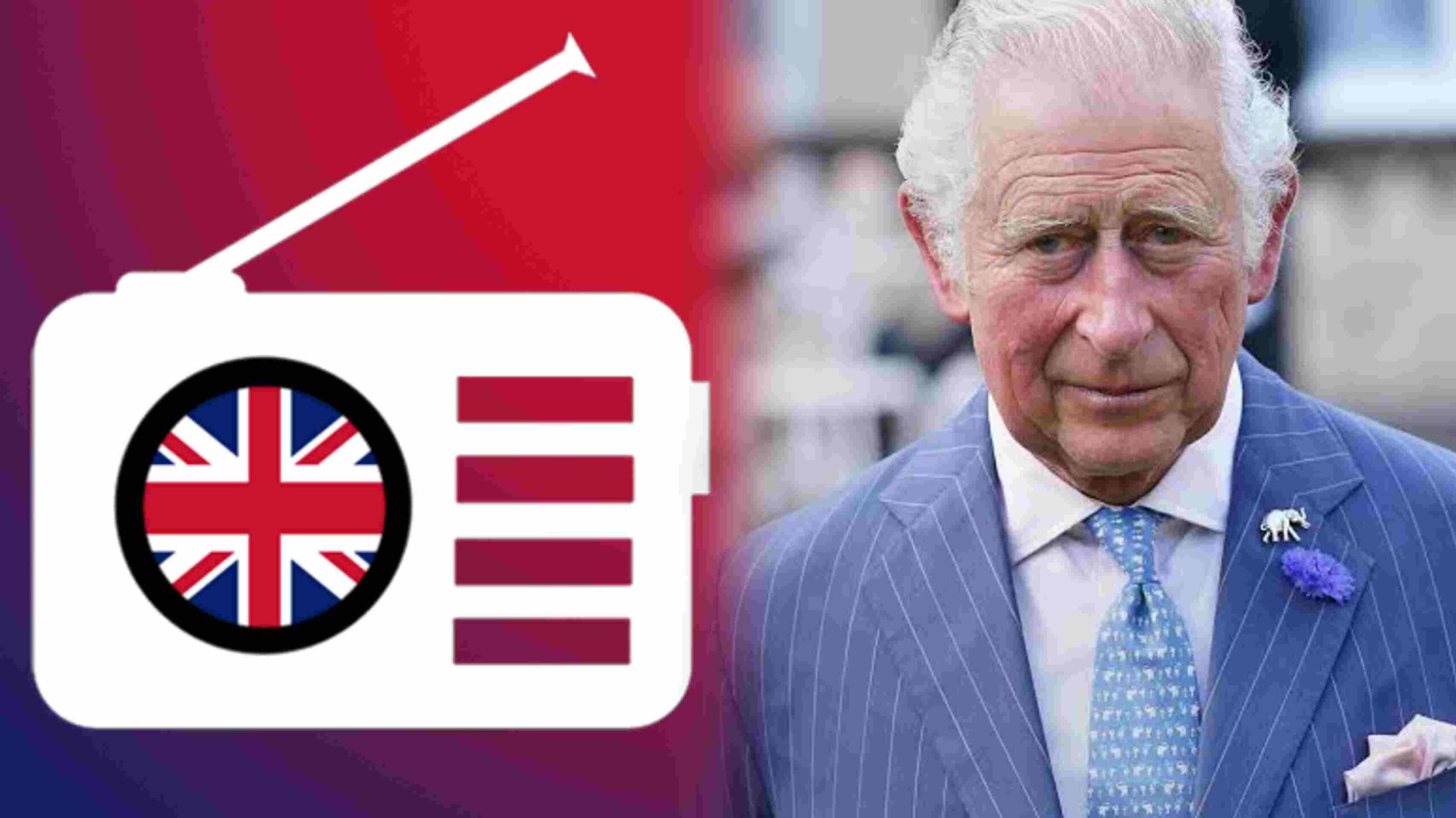
A radio station in the United Kingdom has been found to have breached broadcasting rules after mistakenly announcing the death of King Charles III, in an incident that has raised fresh concerns over accuracy and editorial checks in live news coverage.
The breach was confirmed by the country’s broadcasting regulator following an official ruling on the station’s handling of the highly sensitive report.
The station had aired an incorrect announcement claiming that King Charles III had died. The report was later established to be false, with the broadcaster acknowledging that the information should never have been put on air.
The regulator determined that the incident failed to meet the broadcasting standards governing accuracy and the responsible handling of significant news. The death of a reigning British monarch is regarded as an event of exceptional national and international importance, requiring the highest level of editorial scrutiny and verification.
According to the ruling, the station’s editorial procedures failed to adequately verify the information before it was broadcast to listeners. The incident demonstrated how a breakdown in newsroom checks can have serious consequences, particularly when the subject involves a head of state and a member of the British royal family.
The erroneous report reportedly caused confusion among listeners and underscored the risks associated with transmitting unverified information during live broadcasting. While the pressure to deliver breaking news quickly can be intense, broadcasters are expected to ensure that extraordinary claims are supported by credible and authoritative confirmation before being presented to the public.
The false announcement was particularly significant because news of the death of a British monarch would trigger major constitutional, political, ceremonial and international developments. Such an announcement would ordinarily be preceded by extensive official confirmation and coordinated communication involving relevant authorities.
King Charles III remains the reigning monarch of the United Kingdom, and the radio station’s announcement was subsequently recognised as an error.
The regulator’s decision has consequently highlighted the importance of maintaining rigorous editorial safeguards, especially when dealing with breaking news concerning the royal family, senior political figures and other individuals whose deaths would have far-reaching public consequences.
The case also illustrates that broadcasting breaches can arise not only from the publication of inaccurate information but from weaknesses in the systems designed to prevent such information from reaching the public in the first place.
For news organisations, the incident serves as another reminder that speed must not come at the expense of accuracy. In an era when live reports can spread instantly across radio, television and social media, a single unverified announcement can quickly generate widespread confusion and international attention.
The ruling therefore reinforces the responsibility of broadcasters to maintain strong verification procedures, multiple layers of editorial oversight and reliable communication channels when handling sensitive breaking news.