
NEWS
Nigerian, South African Lawmakers Clash Over ‘Illegal Immigrants’ Terminology at Commonwealth Conference

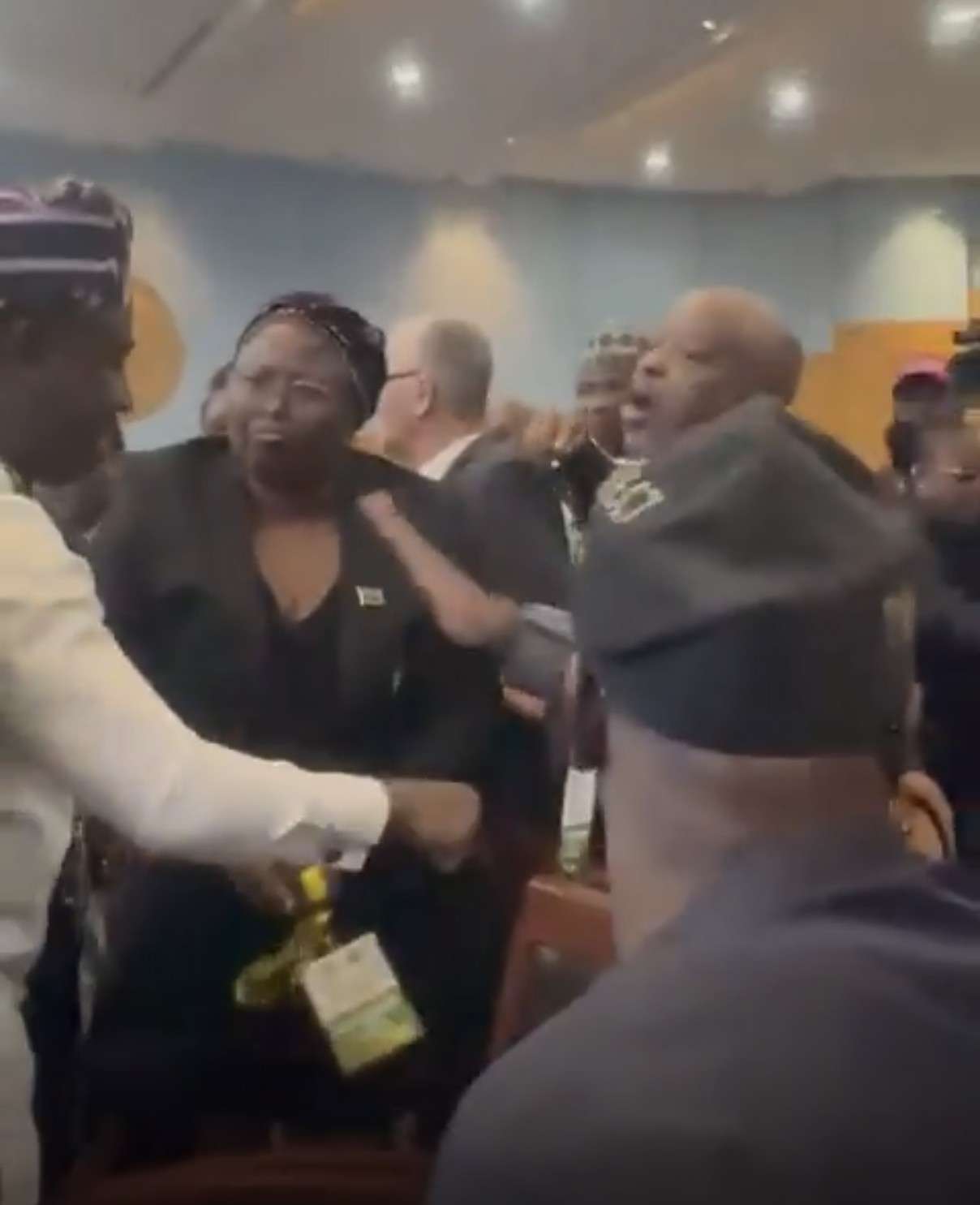
A war of words has erupted between Nigerian and South African lawmakers at the ongoing Commonwealth Parliamentary Association conference in Malawi over the terminology used to describe migrants living in a country without valid immigration status.
The disagreement reportedly emerged after South Africa’s delegation pushed for the use of the term “illegal immigrants”, a description that Nigerian lawmakers and some other parliamentarians strongly opposed.
The Nigerian delegation, alongside MPs from other countries, argued against language they viewed as inappropriate and potentially dehumanising, insisting that the terminology used in parliamentary discussions should reflect the legal status of individuals without reducing people to their immigration circumstances.
The exchange has drawn attention to the long-running debate over migration, xenophobia and the treatment of foreign nationals in South Africa, particularly amid recurring tensions involving African migrants.
The disagreement at the Commonwealth Parliamentary Association gathering highlights how sensitive migration issues remain across the continent, with lawmakers from different countries holding sharply contrasting views on how undocumented migrants should be described and addressed.
The conference in Malawi has therefore become an unexpected platform for a broader conversation about migration, human dignity and the responsibility of African lawmakers to choose language that promotes cooperation rather than deepening divisions between nations.
The Nigerian-South African exchange has also underscored the complex relationship between the two countries, whose citizens maintain extensive economic, social and cultural ties despite periodic diplomatic tensions and controversies surrounding the treatment of Nigerians and other African nationals in So

 uth Africa.