
NEWS
Ex-Ukrainian Defence Minister, Mykhailo Fedorov Calls for Wartime Elections, Posing Fresh Challenge to Zelensky

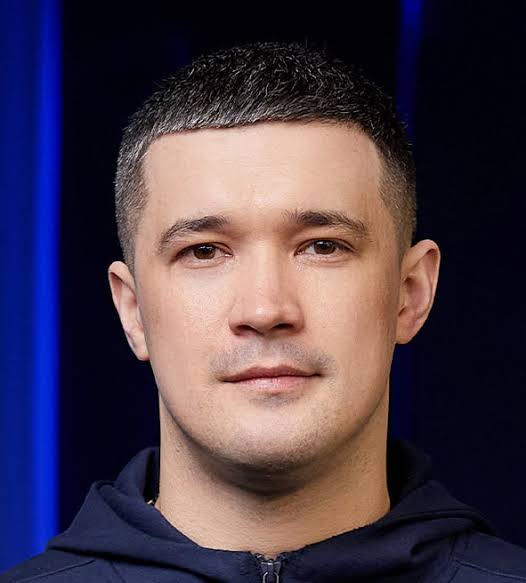
Former Ukrainian Defence Minister Mykhailo Fedorov has called for elections to be held in Ukraine despite the ongoing war with Russia, escalating political tensions and presenting one of the most significant challenges yet to President Volodymyr Zelensky’s leadership since the conflict began in February 2022.
Fedorov, 35, made the call in a video published on YouTube on Tuesday, arguing that Ukraine’s democratic system should not remain suspended indefinitely because of the war.
He stressed the need for Ukraine to establish a lawful, secure and realistic framework that would allow the country to restore a full democratic process even if the conflict continues for an extended period.
Ukraine has been operating under martial law since Russia launched its full-scale invasion in February 2022. The emergency measures have suspended elections, meaning that scheduled electoral processes cannot currently take place under the existing legal framework.
Fedorov did not directly mention President Zelensky in his video, but his remarks are widely viewed as a pointed challenge to the current political arrangement in Kyiv.
His intervention comes only weeks after he was unexpectedly removed as defence minister in late July, barely six months after taking up the position. His dismissal triggered protests in several parts of the country and intensified speculation over growing tensions within the Ukrainian leadership.
During his relatively brief tenure at the Defence Ministry, Fedorov gained a reputation for attempting to modernise the institution, strengthen its performance and tackle corruption. He also promoted the use of data-driven systems to assess military operations and identify ways of improving Ukraine’s performance on the battlefield.
His removal was widely linked to tensions with army commander-in-chief Oleksandr Syrskyi. Syrskyi was subsequently replaced several weeks later amid mounting political pressure and protests directed at the government.
Fedorov’s latest intervention went beyond the question of elections, as he warned that Ukraine was facing what he described as a systemic governance crisis. He also raised concerns about corruption, arguing that internal weaknesses could undermine the country’s ability to sustain its war effort.
The former minister further suggested that Ukraine had become increasingly reluctant to embrace political change, warning that fear of change could create additional problems for a country fighting to preserve its democratic identity.
President Zelensky has yet to publicly respond to Fedorov’s latest remarks.
Following Fedorov’s removal, Zelensky appointed Yevgeniy Khmara, a career intelligence official with a relatively low political profile, as acting defence minister.
Fedorov was reportedly offered other senior positions within the government, including the role of deputy prime minister responsible for military innovation. However, he has indicated that he would only return to government as defence minister.
While Fedorov did not announce any political ambitions in his latest video, his demand for a pathway toward elections has already placed the issue of Ukraine’s political future back in the spotlight.
The debate comes at a sensitive moment for Zelensky, whose government must balance the demands of wartime security with growing questions about democratic accountability, governance and the country’s political direction.
Fedorov’s call could therefore become more than a debate about when elections should be held. It may mark the beginning of a broader political confrontation over how Ukraine should be governed while the war with Russia continues.