
NEWS
U.S. Army Corps-Chartered Plane Crashes in Alaska, Killing All Eight On Board

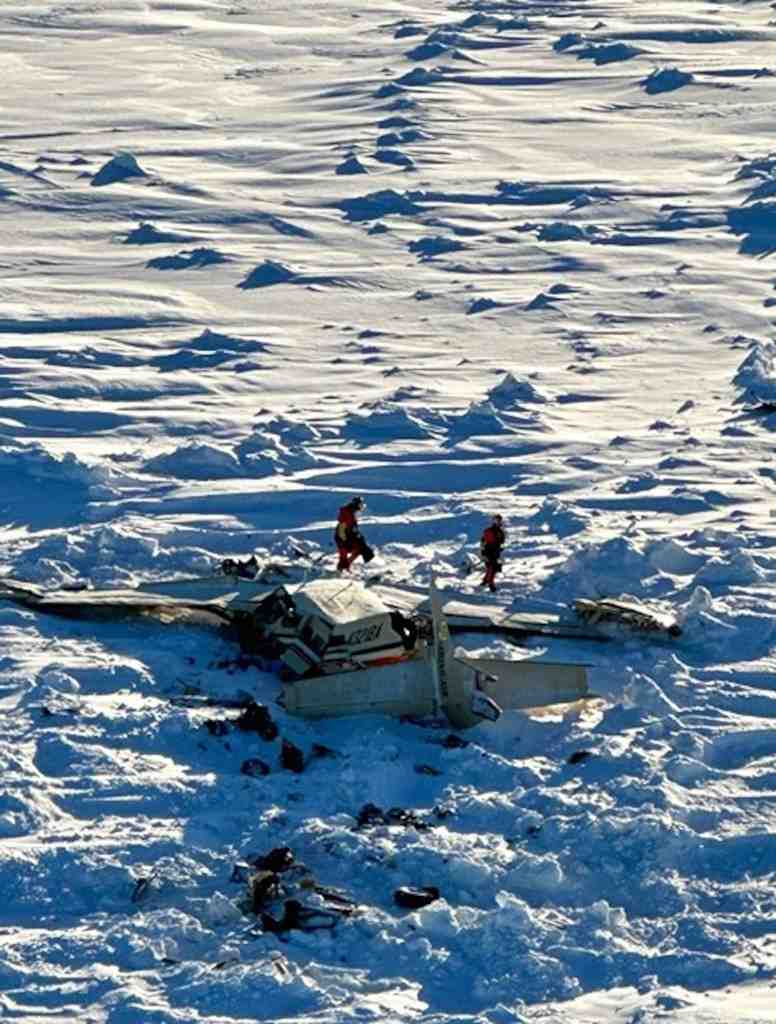
A small plane chartered by the U.S. Army Corps of Engineers has crashed in western Alaska, killing all eight people on board in a devastating aviation tragedy that has prompted an immediate investigation by U.S. authorities.
The aircraft was on its way to a remote aircraft-tracking radar site when it went down on Thursday. The crash occurred near Cape Newenham Long Range Radar Site Airport, approximately 450 miles west of Anchorage, in one of Alaska’s remote and challenging regions.
According to the Federal Aviation Administration, the twin-engine Cessna 441 had taken off from Ted Stevens Anchorage International Airport and was scheduled to land at the military site. However, the aircraft never completed its journey.
Clint Johnson, the National Transportation Safety Board’s Alaska region chief, confirmed that there were two pilots and six passengers on board the plane, with no survivors reported.
The U.S. Army Corps of Engineers also confirmed that two of its employees were among those killed in the crash, adding to the devastating impact of the tragedy on the military community and the families of the victims.
“This is a devastating loss for our military family and the communities we serve,“ U.S. Air Force Lt. Gen. Robert Davis, commander of Alaskan Command, the Alaskan North American Aerospace Defense Command Region and Eleventh Air Force, said in a statement.
Investigators from the National Transportation Safety Board and the Federal Aviation Administration have launched separate inquiries to determine what caused the deadly crash.
Early information indicated that the aircraft was operating in foggy weather at the time of the accident, according to information from a service that is part of the nonprofit Flight Safety Foundation. Weather conditions are now expected to form part of the wider investigation into the circumstances surrounding the crash.
Five NTSB investigators were deployed to the remote accident site, where they are expected to examine the wreckage and gather crucial evidence.
NTSB spokesman Peter Knudson said Friday morning that the wreckage would be carefully documented before being moved to a secure facility for further examination.
The Cape Newenham airport where the aircraft was headed is a private military site, serving the nearby Long Range Radar Site. The radar installation is managed by the Pacific Air Forces Regional Support Center and forms part of a network of remote radar facilities responsible for tracking aircraft operating across Alaska’s vast airspace and along its borders.
As investigators work to piece together the aircraft’s final moments, the deadly crash has left the U.S. military community mourning eight lives lost during what was meant to be a routine journey to one of Alaska’s remote d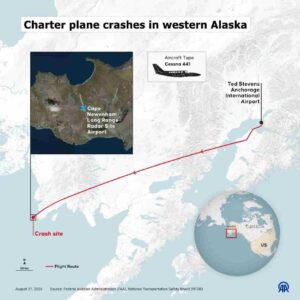 efence installations.