
NEWS
“INEC Staff Are the Least Paid in Nigeria” — INEC Chairman, Prof. Joash Amupitan Discloses, as Commission Introduces New Salary Structure Ahead of 2027

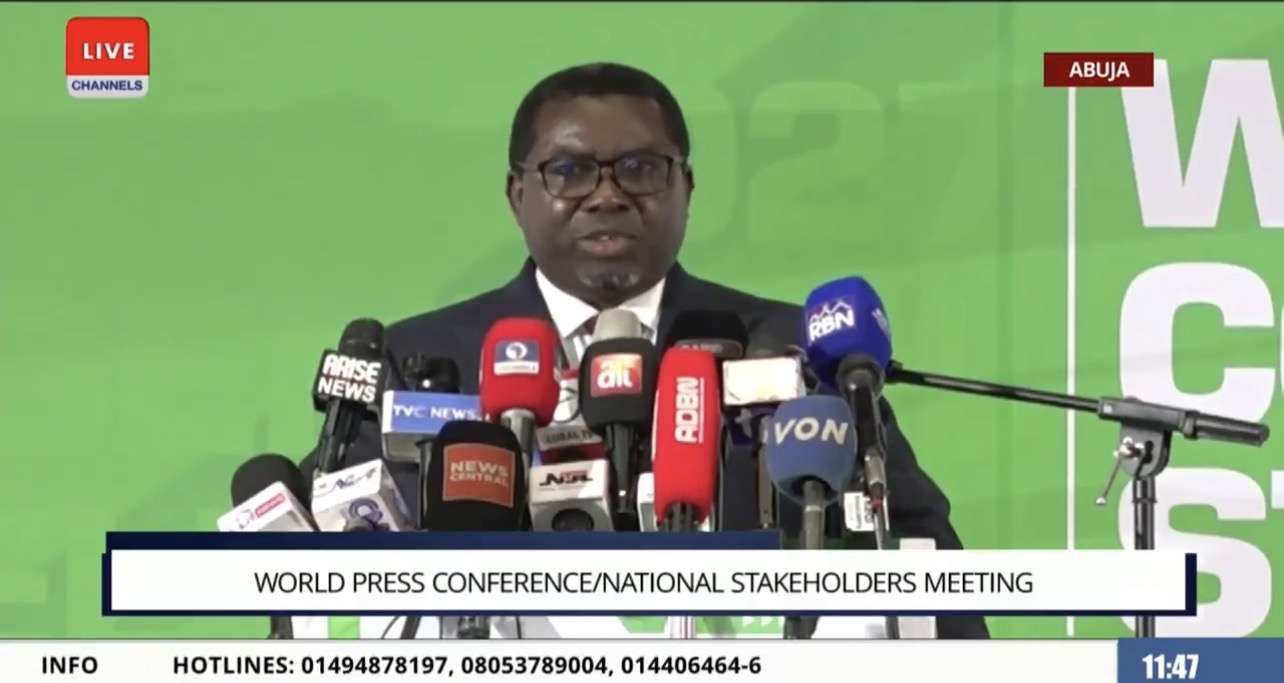
The Chairman of the Independent National Electoral Commission (INEC), Prof. Joash Amupitan, has disclosed that the commission’s personnel are among the least-paid workers in Nigeria, revealing that the electoral body has taken what he described as “some very radical steps” to improve their welfare ahead of the 2027 general elections.
Amupitan made the disclosure on Tuesday in Abuja while presenting INEC’s preparations for the 2027 general elections during the commission’s World Press Conference.
The INEC Chairman said the welfare of the commission’s workforce had become a major priority, arguing that improved remuneration was necessary to strengthen accountability and ensure that personnel are adequately motivated to discharge their responsibilities.
“INEC staff are the least paid in Nigeria. So, we felt if we want to demand and hold our staff responsible, we should give them a living wage,” Amupitan said.
According to him, the commission’s decision to improve staff welfare is part of broader institutional reforms being implemented as INEC prepares for the next general elections.
Amupitan explained that the commission was no longer operating strictly within the conventional civil service payment framework, disclosing that a distinct electoral and salary structure had been established for INEC personnel.
“We are not called civil servants. What we have learned under the civil service payment structure, which we have just removed INEC from, is to have their own separate structure, electoral structure, and separate salary structure from the civil service,” he said.
The development, according to the INEC Chairman, is intended to address longstanding challenges within the commission and strengthen the capacity of its personnel to meet the demands associated with the conduct of elections.
Amupitan further disclosed that INEC had identified several gaps within the country’s electoral system and was taking steps to address them as part of its preparations for the 2027 polls.
“There are many others that we have discovered. And we felt that if they address all, it will be able to solve some of the problems we have with the system,” he said.
The INEC Chairman also addressed the issue of election reruns, making it clear that the commission was already factoring possible rerun elections into its planning for the 2027 general elections.
According to him, rerun elections are provided for within the constitutional framework and therefore must be incorporated into the commission’s overall electoral preparations.
“The issue of rerun is a constitutional matter. And as we are planning for the election, you have to plan for a rerun,” Amupitan said.
He added that the procedures and protocols governing rerun elections are already provided for by the Constitution, stressing that the commission’s preparations must take such eventualities into account.
The disclosures come as INEC intensifies its preparations for the 2027 general elections, with issues surrounding personnel welfare, electoral administration, institutional reforms and the management of possible reruns forming part of the commission’s broader planning process.
Amupitan’s remarks also signal a focus on strengthening the internal structure of the electoral body, particularly the welfare and remuneration of personnel who will play critical roles in the administration and conduct of elections across the country.
As preparations for the 2027 elections continue, the commission is expected to further outline the reforms, operational measures and logistical arrangements it intends to implement to address identified gaps and improve the overall electoral process.