
NEWS
STATE POLICE GAINS MOMENTUM AS FIVE MORE ASSEMBLIES APPROVE BILL, FG PANEL SUBMITS 2026 DRAFT

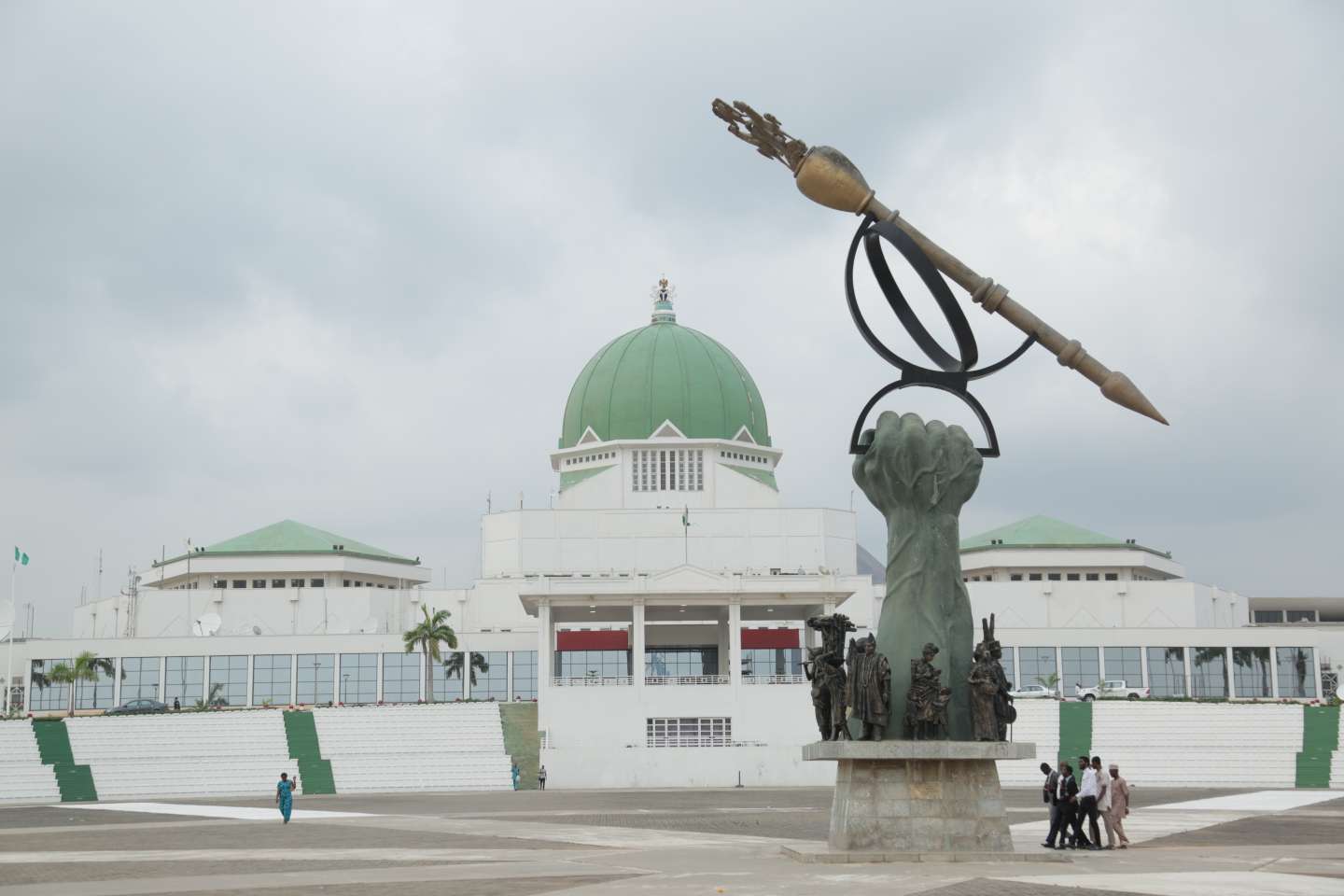
Nigeria’s proposed state policing system has gained fresh momentum following the approval of the constitutional amendments by five additional State Houses of Assembly, while the Presidential Working Group on the National Policing Bill has submitted the draft National Policing Bill, 2026, alongside 29 consequential amendment bills to the Federal Ministry of Justice for legislative drafting review and validation.
The latest approvals by the Ogun, Delta, Plateau, Kwara and Adamawa State Houses of Assembly bring the number of state legislatures reported to have endorsed the constitutional amendments to 10. They join their counterparts in Edo, Osun, Oyo, Rivers and Zamfara states, which had earlier approved the proposed changes needed to establish state police services in Nigeria.
The development represents a significant step in the ongoing efforts to reform Nigeria’s policing architecture and address persistent security challenges, including kidnapping, banditry, armed robbery, communal violence and other criminal activities confronting communities across the country.
The proposed Constitution of the Federal Republic of Nigeria, 1999 (Sixth Alteration) Bill, 2026, was transmitted to the 36 State Houses of Assembly on September 16, 2026, by the Clerk to the National Assembly, Kamoru Ogunlana, for consideration and approval.
At the centre of the proposed constitutional amendment is a revision of Section 214 of the 1999 Constitution, which currently provides for a single Nigeria Police Force. The amendment seeks to replace the existing structure with a Federal Police Service and State Police Services, creating a framework for policing responsibilities to be shared between the federal and state governments.
Proponents of the reform argue that allowing states to establish their own police services could improve intelligence gathering, strengthen community-based security operations, enhance rapid responses to emergencies and enable law enforcement agencies to respond more effectively to threats peculiar to individual states.
The proposal is also expected to generate further debate over the appropriate safeguards required to ensure professionalism, accountability, operational independence and respect for fundamental human rights under the proposed federal and state policing arrangements.
In a statement issued on Tuesday and signed by the Chief of Staff to the President and Chairman of the Presidential Working Group, Femi Gbajabiamila, the group announced that it had completed the drafting stage of its assignment and formally submitted the proposed legislation for the next phase of review.
According to the statement, the draft National Policing Bill, 2026, and the 29 consequential amendment bills were submitted to the Attorney-General of the Federation and Minister of Justice on Monday, October 19, 2026, in accordance with the working group’s approved work plan.
The statement read: “The submission was made on October 19, 2026, to the Honourable Attorney-General of the Federation and Minister of Justice, in line with the Working Group’s work plan.”
The submission marks an important stage in the process of translating the proposed state policing reform into a comprehensive legislative framework. The Ministry of Justice is expected to undertake legislative drafting review and validation, an exercise intended to ensure that the proposed bills are properly formulated and aligned with the constitutional changes under consideration.
The 29 consequential amendment bills are part of the wider legislative work required to give effect to the proposed restructuring of Nigeria’s policing system. Their inclusion underscores the need to address the relevant legal provisions that may be affected by the creation of separate federal and state police services.
However, the submission of the draft bills does not, in itself, establish state police services. The proposed reform still depends on the completion of the necessary constitutional and legislative procedures, including the required approvals by the relevant institutions.
With 10 State Houses of Assembly now reported to have approved the constitutional amendments, attention is expected to remain focused on the positions of the remaining state legislatures and the subsequent steps required to advance the proposal.
The latest developments come amid longstanding calls for a decentralised policing system, with supporters maintaining that Nigeria’s security challenges require a structure capable of delivering more localised responses while retaining national coordination and appropriate oversight.
As the draft legislation moves to the Ministry of Justice for review and validation, the state policing proposal enters another crucial phase in the broader debate over how best to strengthen security, improve law enforcement and protect lives and property across Nigeria.