
NEWS
U.S. Vows to Partner with Tinubu’s Government to Tackle Alleged Christian Genocide in Nigeria, Following Trump’s Declaration of Nigeria as a “Country of Particular Concern”

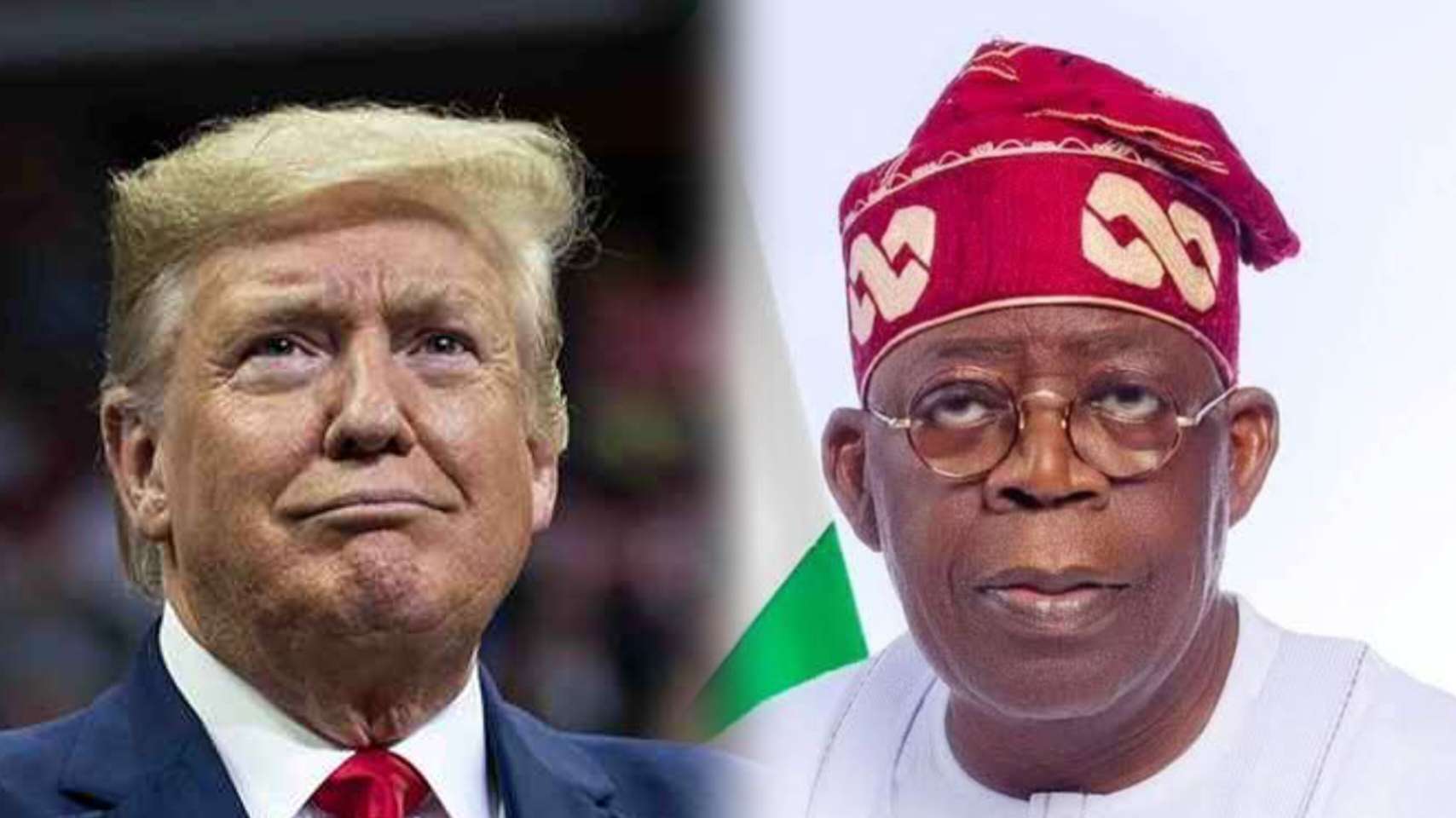
The United States has announced plans to work closely with the administration of President Bola Ahmed Tinubu to take decisive actions against individuals and groups allegedly responsible for what it described as a “Christian genocide” in Nigeria.
The Chair of the United States Commission on International Religious Freedom (USCIRF), Vicky Hartzler, disclosed this in a statement released on Monday, November 3, 2025, shortly after U.S. President Donald Trump formally designated Nigeria as a “Country of Particular Concern.”
According to Hartzler, the U.S. government will develop a comprehensive and tough plan with Nigeria to arrest perpetrators of religious violence, protect Christians, and rescue those held hostage. She emphasized that this partnership marks a new phase of international accountability for the ongoing violence in the country.
As reported, Hartzler’s recommendations played a major role in President Trump’s decision to blacklist Nigeria as a violator of religious freedom.
Commending Trump’s action, Hartzler said, “USCIRF applauds President Trump for speaking out on the religious freedom crisis in Nigeria and making Nigeria a Country of Particular Concern.
The U.S. Government can now develop a tough plan with Nigeria to ensure that perpetrators of violence are held to account, people of faith are protected, and those held hostage are rescued.”
Similarly, the USCIRF Vice Chair, Asif Mahmood, expressed strong support for the move, describing Nigeria as “a serial violator of religious freedom since 2009.”
In an email statement issued on Tuesday, November 4, 2025, Mahmood revealed that the commission would ensure the Trump administration implements a series of executive actions targeting the Nigerian government until tangible improvements are recorded in the country’s handling of religious freedom and security issues.
Meanwhile, reactions have continued to trail the U.S. government’s classification of Nigeria. Senator Ali Ndume, representing Borno South Senatorial District, faulted Trump’s position, describing it as a product of “ignorance” about Nigeria’s security realities. Ndume, a chieftain of the All Progressives Congress (APC), stated that it was misleading to describe the killings in Nigeria as Christian genocide, insisting that “it’s not only Christians who are killed, as Muslims are also being killed.”
In a related development, Anambra State Governor, Professor Charles Chukwuma Soludo, also reacted to the allegations of religious genocide, debunking claims of any systematic persecution of Christians in the country’s South East region.
Soludo described such claims as “false narratives capable of stoking unnecessary religious tension.”
Reports indicate that President Donald Trump’s designation of Nigeria as a ‘country of concern’ has sparked both support and controversy within Nigeria and across international circles. While many applaud the move as a necessary step to address religious persecution, others view it as an overreach that fails to capture the complex security challenges affecting both Christians and Muslims in the country.
As discussions continue between Washington and Abuja, the world watches closely to see how the U.S.–Nigeria partnership will unfold in addressing one of Africa’s most pressing human rights concerns.