
security
Russian Lawmaker, Aleksey Zhuravlyov Issues Horror WW3 nuclear threat Warning After U.S. Seizure of Oil Tanker in Caribbean, Calls Action an Attack on Russian Territory

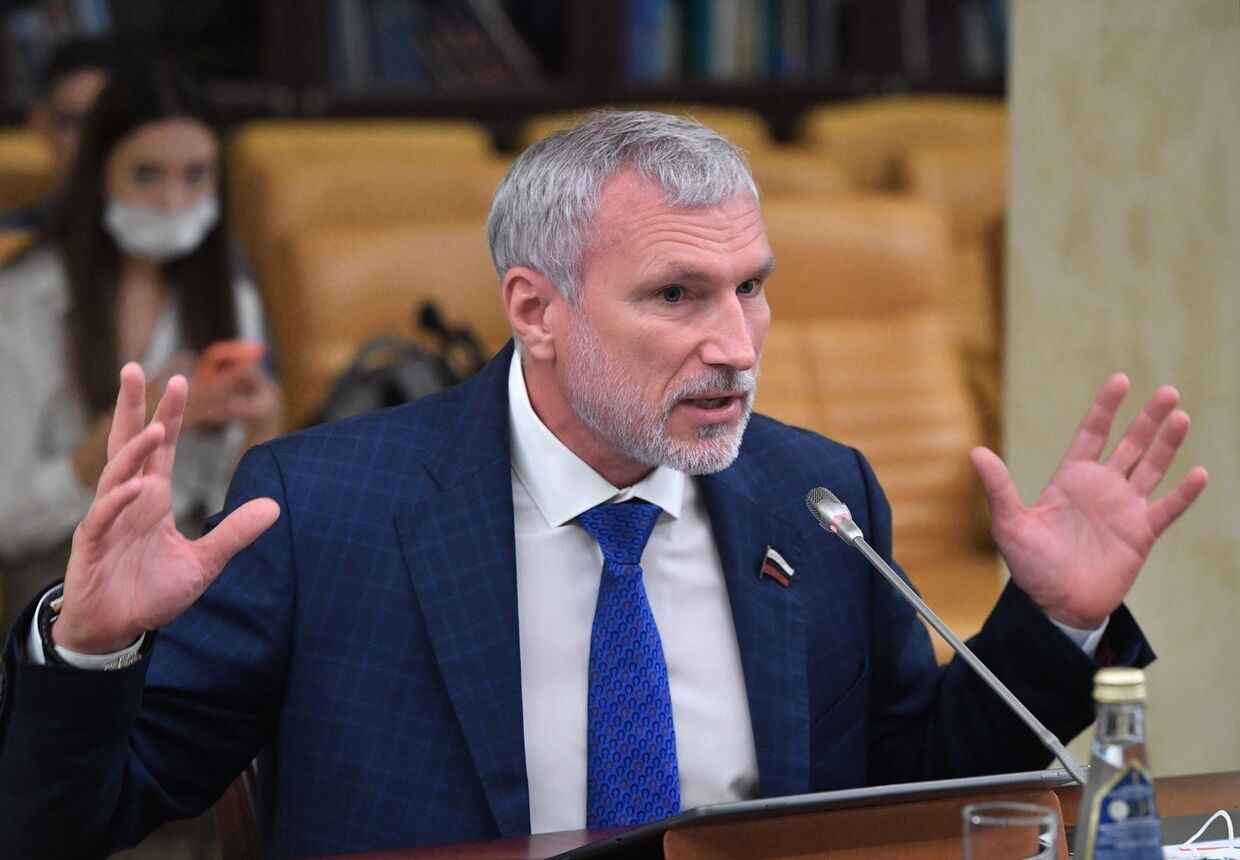
Tensions between Washington and Moscow have escalated sharply following the United States’ seizure of an oil tanker in Caribbean waters, with a senior Russian lawmaker warning that the incident could justify a military and even nuclear response under Russia’s defence doctrine.
Aleksey Zhuravlyov, the first deputy head of the Russian State Duma’s defence committee, reacted angrily to the U.S. Navy and Coast Guard’s interception of the oil tanker Marinera, formerly known as Bella 1. The vessel is suspected by U.S. authorities of operating as part of a so-called “ghost fleet” used to evade international sanctions.
Zhuravlyov described the seizure as an act of aggression against Russia, arguing that the tanker was flying the Russian flag at the time of interception and should therefore be regarded as Russian territory.
According to him, the operation amounted to piracy and a direct provocation that demands a firm military response.
The outspoken lawmaker went further by referencing Russia’s military doctrine, which allows for extreme measures if Russian territory or assets are attacked. He suggested that retaliatory options could range from conventional naval action to the most severe strategic responses, especially given reports that Russian submarines and other naval assets were operating in the vicinity of the vessel at the time of the incident.
The Marinera has been under international scrutiny since last month, when U.S. Coast Guard officials first attempted to board the tanker after securing a warrant over alleged violations of American sanctions. The ship was accused of transporting Iranian oil in defiance of U.S. restrictions.
That initial boarding attempt failed after the tanker abruptly changed course, altered its registered identity, and switched its flag from Guyana to Russia. The dramatic pursuit reportedly involved the deployment of multiple U.S. transport aircraft and helicopters as the vessel headed toward European waters, before it was eventually intercepted.
The incident adds to a growing list of flashpoints between the United States and Russia, underscoring how maritime enforcement actions linked to sanctions are increasingly entangled with broader geopolitical rivalries. Analysts warn that such confrontations, especially when accompanied by inflammatory rhetoric from senior officials, risk further destabilising already strained U.S.–Russia relations.