
NEWS
Iran Halts Military Strikes on Neighboring Countries, as President Masoud Pezeshkian Apologizes for Recent Attacks and Calls for Diplomatic Resolution

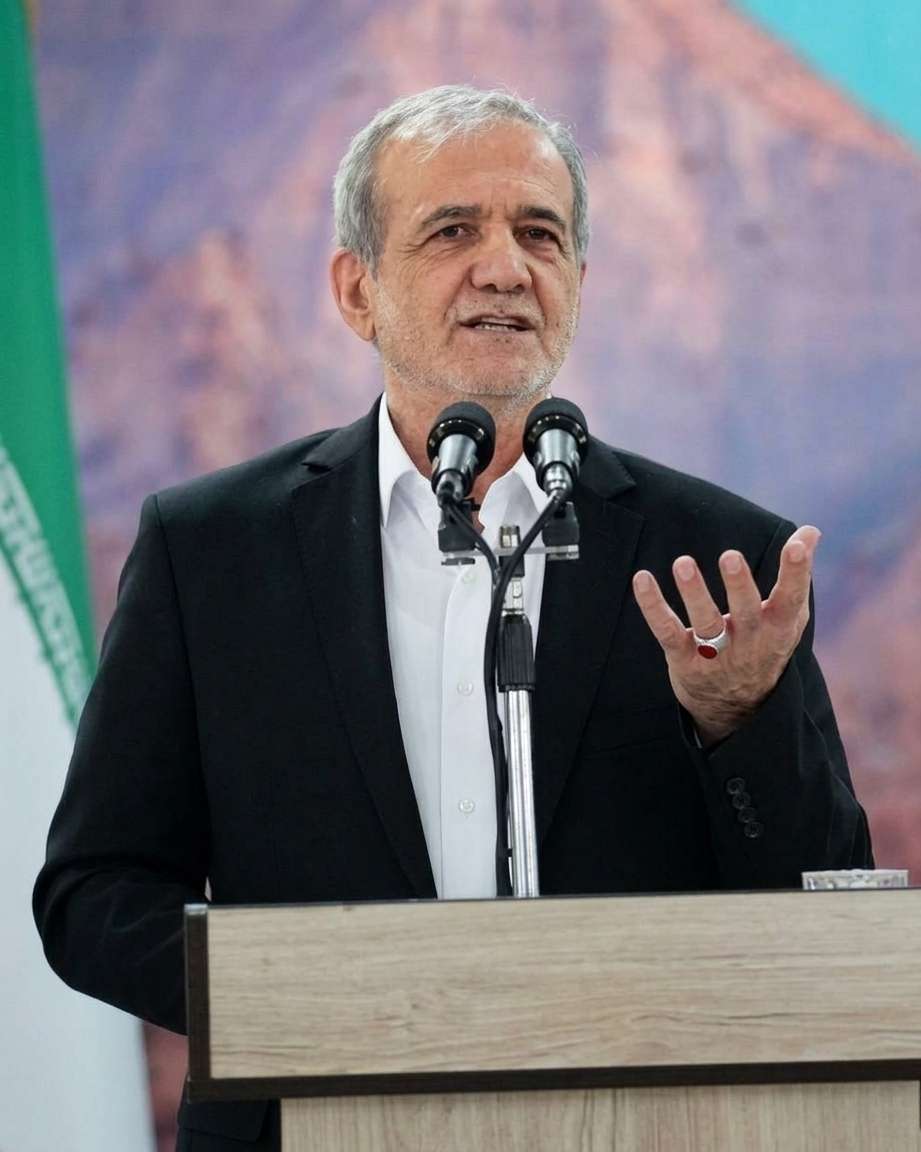
In a significant development that could reshape tensions in the Middle East, Iranian President Masoud Pezeshkian on Saturday announced that Iran would halt attacks on neighboring countries unless the nation itself comes under direct attack.
The announcement came during a prerecorded televised address delivered by the Iranian leader, following a period of escalating hostilities in the region in which Iran reportedly carried out multiple strikes against neighboring countries including Bahrain, Saudi Arabia and the United Arab Emirates.
During the broadcast, Pezeshkian issued an apology to the affected countries, acknowledging the impact of the attacks and signaling what appears to be a shift toward a more restrained military posture.
“I should apologize to the neighboring countries that were attacked by Iran, on my own behalf.
“From now on, they should not attack neighboring countries or fire missiles at them, unless we are attacked by those countries. I think we should solve this through diplomacy,” the President said.
The announcement comes amid heightened tensions and internal developments within Iran’s leadership structure. Reports indicate that the country’s temporary leadership council recently held discussions with Iran’s armed forces to reassess the nation’s military posture and regional strategy.
The decision to pause offensive actions also follows alleged miscommunication within Iran’s military ranks after the deaths of the country’s Supreme Leader, Ayatollah Ali Khamenei, and other senior leaders, a development that reportedly created confusion regarding operational directives.
Despite the conciliatory tone toward neighboring countries, Pezeshkian maintained a defiant stance toward the United States.
Addressing calls from Washington for Iran to surrender unconditionally, the Iranian president firmly rejected the demand.
Pezeshkian also stated during the speech that the United States’ demand for an unconditional surrender is a “dream that they should take to their grave.”
The statement underscores the complex dynamics currently shaping Iran’s foreign policy, combining gestures aimed at de-escalating regional tensions with continued resistance to pressure from the United States.
Regional analysts say the coming weeks will be critical in determining whether Tehran’s pledge to halt attacks signals a genuine move toward diplomacy or a temporary strategic pause as the country navigates internal leadership adjustments and external geopolitical pressure.