
NEWS
Hunger, Low Morale, and Mail Chaos: Disturbing Photos Reveal Food Shortages Aboard U.S. Warships as Iran Conflict Disrupts Supply Lines

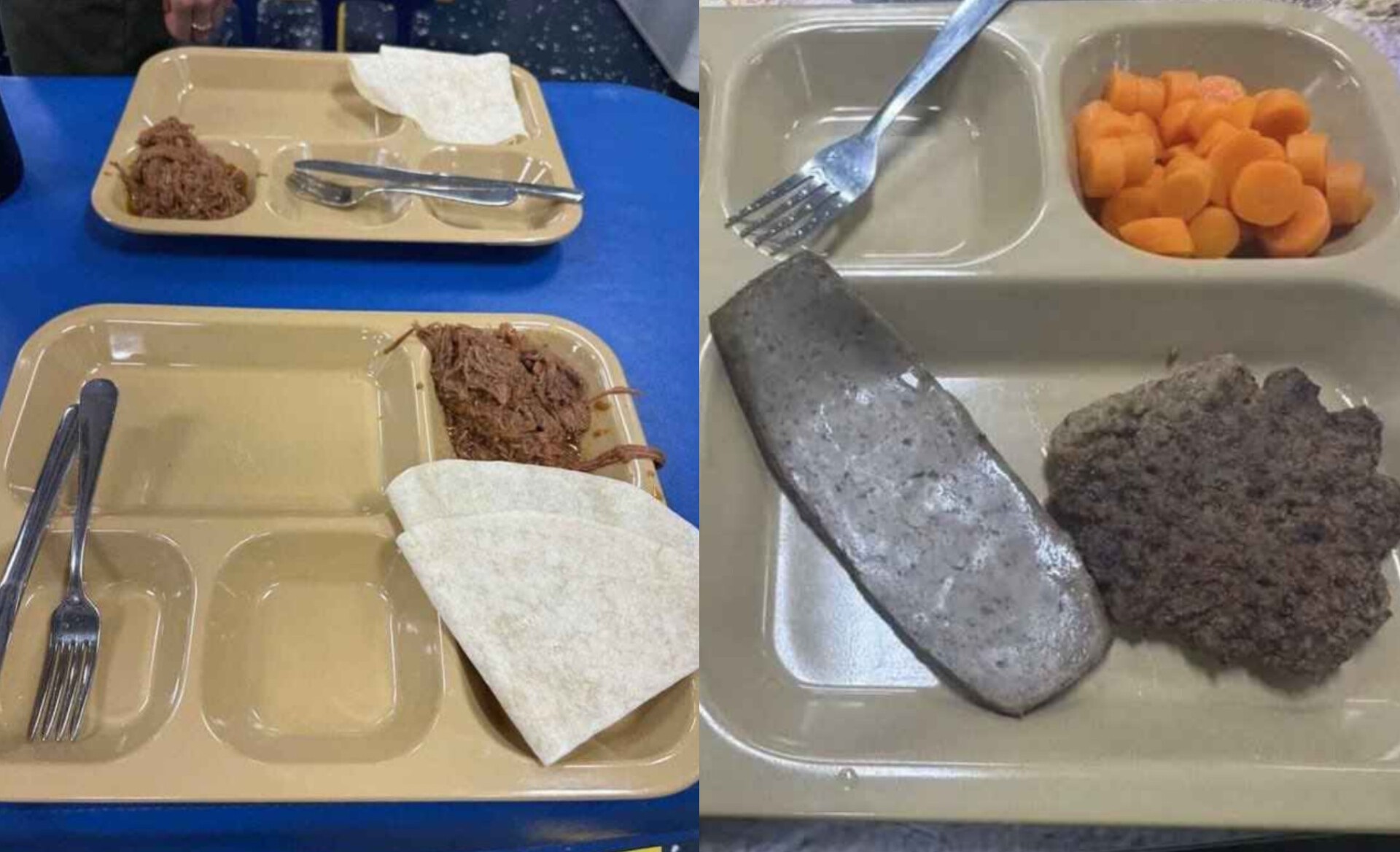
Fresh concerns have emerged over the welfare of American troops deployed to the Middle East, following the release of troubling images that expose deteriorating living conditions aboard U.S. Navy warships operating near Iran.
Photos published by USA Today reveal poorly prepared meals and noticeably reduced food portions being served to U.S. sailors and Marines stationed on key naval vessels, including the USS Abraham Lincoln and the USS Tripoli. The images, now circulating among military families, have sparked widespread anxiety about the physical and emotional well-being of service members engaged in prolonged operations in the region.
Reports from personnel aboard the USS Abraham Lincoln aircraft carrier point to a growing crisis fueled by extended deployment periods and strained supply chains. With limited opportunities for resupply at sea, crews have been forced to ration available provisions. The result has been a steady decline in food quality and quantity, contributing to mounting frustration and weakening morale among those on board.
Visual evidence from mid-April paints a grim picture. One meal consisted of little more than a small serving of shredded meat paired with a single tortilla on an otherwise empty tray. Another dinner offering featured a sparse mix of boiled carrots, a dry meat patty, and a slab of processed meat that appeared unappetizing. These meals, far from meeting the expectations of personnel engaged in demanding military operations, have intensified fears that some troops may not be receiving adequate nutrition.
Families of deployed service members say the situation is becoming increasingly distressing. Many report that their loved ones frequently complain of hunger, a stark contrast to the standard of care typically expected for military personnel on active duty.
In response, relatives have taken it upon themselves to assemble care packages filled with essential items and comfort goods, ranging from snacks and toiletries to games and clothing.
However, those efforts have been dealt a major blow. The ongoing tensions tied to the Iran conflict have triggered a suspension of mail delivery to military ZIP codes across the Middle East. As of April, the United States Postal Service has indefinitely halted shipments to the region, leaving thousands of packages stranded in transit.
This development has effectively cut off a vital lifeline for many troops, who often rely on deliveries from home not just for supplemental supplies, but also for emotional support during long and stressful deployments. Items such as homemade treats, candy, hygiene products, and letters from loved ones are now stuck in logistical limbo, unable to reach their intended recipients.
The combination of limited food supplies on board and the breakdown of mail delivery systems has created a perfect storm of hardship for U.S. forces stationed in the Middle East. What was already a challenging deployment is now being compounded by growing concerns over basic welfare, raising urgent questions about logistical preparedness and troop support amid escalating re
 gional tensions.