
NEWS
Ghana Parliament Approves Controversial Anti-LGBTQ Bill Amid Rising National Debate

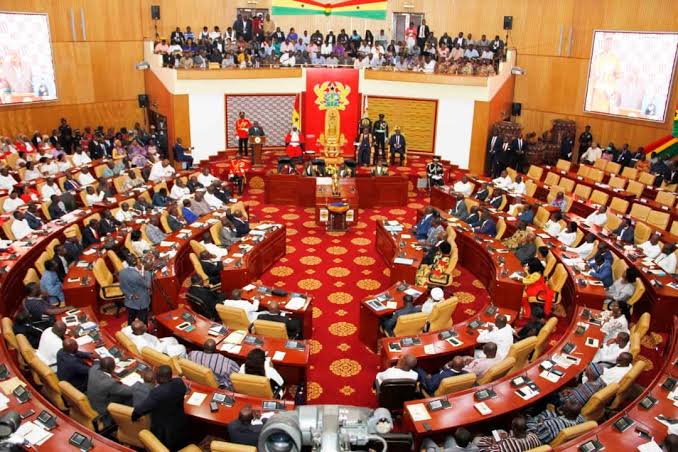
Ghana’s Parliament has approved the controversial Human Sexual Rights and Family Values Bill, 2025, a legislation that criminalizes the promotion, sponsorship, and advocacy of LGBTQ activities in the country, further intensifying national and international debates over human rights and cultural values.
The bill was passed on Friday through a voice vote after receiving unanimous backing from the Constitutional and Legal Affairs Committee, with First Deputy Speaker Bernard Ahiafor presiding over the session.
The legislation, which resurfaced shortly after President John Dramani Mahama assumed office, received strong support from religious organizations, traditional groups, and conservative advocates who had consistently demanded stricter laws against LGBTQ activities in Ghana. Members of the ruling National Democratic Congress were reportedly under mounting pressure from supporters of the bill to ensure its passage.
The newly approved measure retains the existing punishment of up to three years imprisonment for individuals involved in same-sex sexual relationships. Beyond that, the law expands criminal liability to include individuals or organizations accused of funding, sponsoring, promoting, or supporting LGBTQ-related activities, with offenders facing prison sentences ranging from three to five years.
In a further tightening of restrictions, the bill introduces a mandatory “duty to report,” compelling citizens to inform law enforcement agencies or relevant authorities about alleged prohibited LGBTQ activities. Failure to report such acts could attract a prison term of up to three years.
The legislation also seeks to amend Ghana’s Extradition Act of 1960, making offences under the proposed law extraditable, thereby extending the scope of enforcement beyond the country’s borders.
The development marks a renewed push by Ghanaian lawmakers after an earlier version of the bill was passed in 2024 during the administration of former President Nana Akufo-Addo. However, that version faced legal challenges and was never signed into law before the end of Akufo-Addo’s tenure.
With Parliament now approving the revised 2025 version, attention shifts to President Mahama, who is expected to face significant pressure from both supporters and critics as the nation awaits his decision on whether to assent to the bill and make it law.
The passage of the legislation has already sparked widespread reactions across Ghana and beyond, with supporters describing it as a defense of Ghanaian cultural and family values, while critics argue that it raises serious concerns about human rights, personal freedoms, and civil liberties.