
NEWS
Iran Signals Readiness for Nuclear Deal as $25 Billion Asset Release Anchors Trump-Brokered Peace Initiative

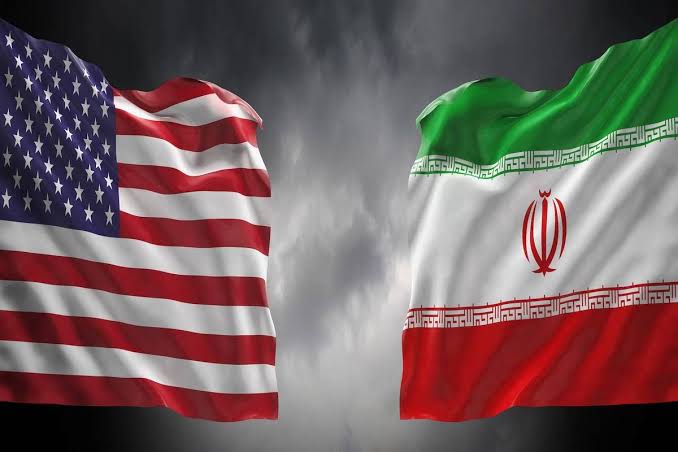
A major diplomatic breakthrough may be on the horizon in the Middle East as Iran has reportedly agreed to key conditions aimed at easing tensions with the United States and restoring stability to global energy markets.
According to details released by Tehran on Sunday, Iran has agreed not to pursue the development of a nuclear weapon and is prepared to reopen the strategically important Strait of Hormuz if the United States releases $25 billion in frozen Iranian assets. The proposed arrangement forms part of a broader peace initiative reportedly brokered by U.S. President Donald Trump.
The development marks a significant step in ongoing efforts to resolve longstanding disputes between Washington and Tehran, particularly over Iran’s nuclear ambitions and regional activities. Sources familiar with the negotiations disclosed that both countries were expected to electronically sign a memorandum of understanding on Sunday following a virtual meeting designed to lay the groundwork for more extensive talks on a long-term nuclear agreement.
The anticipated agreement comes amid heightened regional tensions and follows months of conflict that have unsettled global markets and raised fears of a wider geopolitical crisis. Despite recent Israeli military strikes in Lebanon, President Trump reportedly expressed confidence that the peace arrangement would move forward.
To facilitate progress, Trump is said to have held a direct and candid conversation with both Israeli Prime Minister Benjamin Netanyahu and Iranian officials in an effort to ease concerns and maintain momentum toward a negotiated settlement.
Iranian authorities have expressed cautious optimism that a durable resolution may finally be within reach after months of hostilities.
The conflict, which has lasted for approximately three and a half months, has contributed to significant volatility in international markets, particularly in the energy sector.
Further boosting expectations, Trump and Pakistani Prime Minister Shehbaz Sharif announced on Saturday that the agreement was expected to be finalized on Sunday. The deal would reportedly lead to the immediate reopening of the Strait of Hormuz, one of the world’s most vital maritime trade routes through which nearly one-fifth of global oil supplies pass.
Speaking on social media, Sharif expressed confidence in the progress of the negotiations.
“We are closer to a peace deal than ever before. With finalization likely expected in the next 24 hours, Pakistan is preparing for the electronic signing of the peace deal immediately after, followed by technical-level talks next week,” Sharif said on social media.
An Iranian Foreign Ministry representative also indicated that a formal agreement could materialize within days, further fueling hopes of a diplomatic breakthrough.
According to Pakistani officials involved in the process, the proposed pact would result in the unfreezing of $25 billion in Iranian assets currently held under U.S. restrictions. While the agreement would not immediately resolve all contentious issues between the two nations, it would establish a 60-day framework for technical discussions aimed at addressing remaining disputes.
In another significant revelation, U.S. Ambassador to the United Nations Mike Waltz stated on Sunday that the arrangement would require Iran to surrender its nearly 1,000-pound stockpile of highly enriched uranium. He added that the agreement would also involve Iran relinquishing its role as a supporter of terrorist proxy groups operating across the region.
As part of the broader package, the United States would reportedly lift its blockade on Iranian-linked vessels navigating through the Strait of Hormuz, a move expected to improve maritime trade flows and ease pressure on global energy supplies.
If successfully concluded, the agreement could represent one of the most consequential diplomatic developments in recent years, potentially reshaping relations between Washington and Tehran while reducing tensions across the Middle East and stabilizing global oil markets.