
NEWS
UK Government Moves to Restrict Social Media Access for Under-16s in Major Child Protection Drive

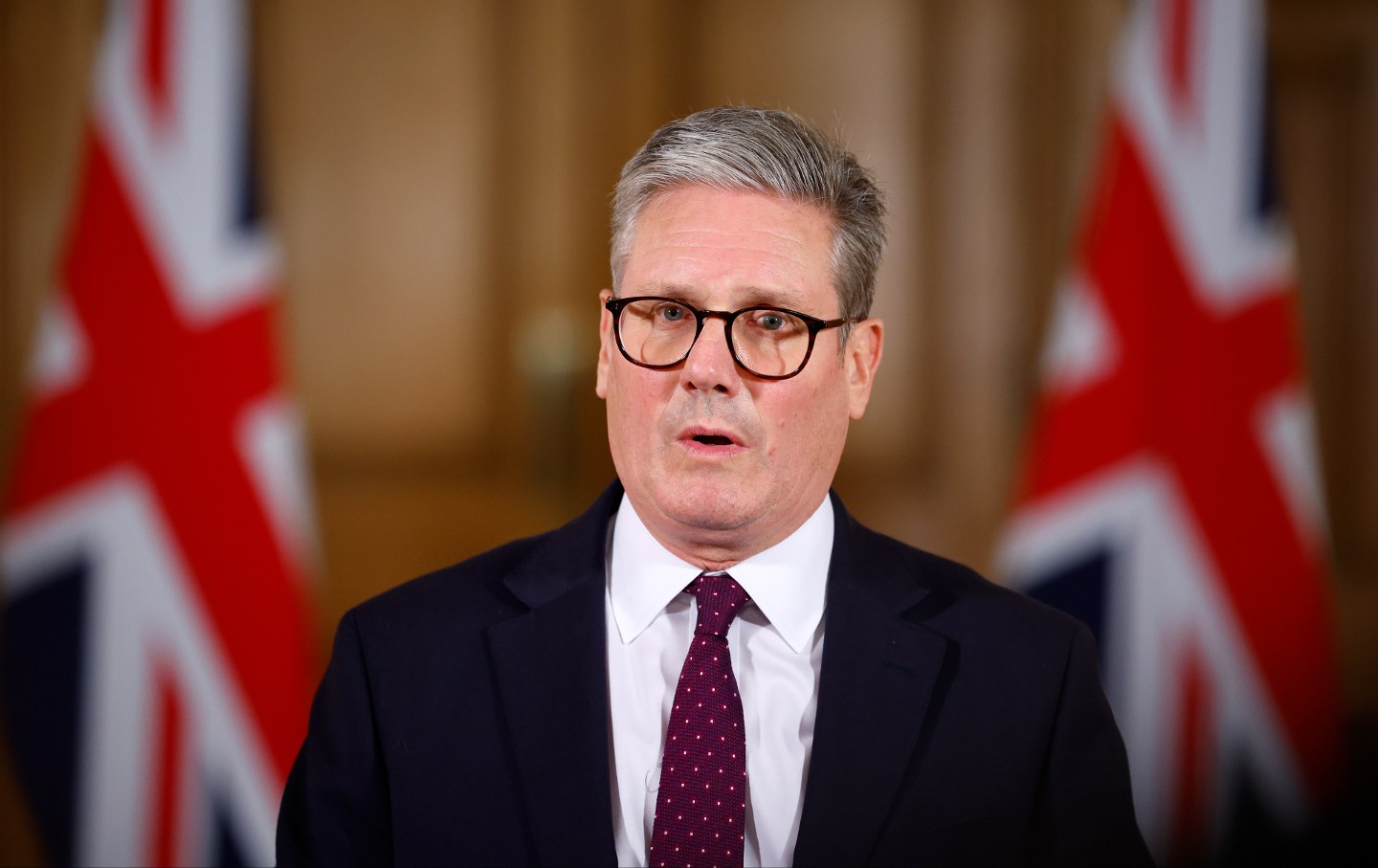
The United Kingdom is set to introduce sweeping restrictions on social media use by children under the age of 16, as Prime Minister Keir Starmer unveils plans aimed at shielding young people from the growing influence of digital platforms.
The proposed measure will affect some of the world’s most popular social media applications, including TikTok, YouTube, Snapchat, Instagram, X, Reddit, Facebook, Twitch, Kick, and Threads. The policy forms part of a broader effort by the British government to address concerns over online safety, mental health challenges, cyberbullying, harmful content, and excessive screen time among children and teenagers.
Announcing the move, Starmer stressed that modern technology has become deeply embedded in the everyday lives of young people, often exposing them to pressures and risks that previous generations did not face.
According to the Prime Minister, the government can no longer ignore the impact of social media on children’s wellbeing and development.
The planned restrictions are expected to require stricter age-verification systems and stronger enforcement measures from technology companies operating in the UK. The government believes the initiative will help create a safer digital environment while allowing children to enjoy a more balanced upbringing away from the constant influence of social media platforms.
The proposal has already sparked widespread debate among parents, educators, technology firms, and child welfare advocates. Supporters argue that tighter controls are necessary to protect young people from harmful online content and addictive digital habits, while critics have raised concerns about enforcement, privacy, and the potential limitations on young people’s access to information and communication tools.
If implemented, the policy would represent one of the most significant attempts by a major Western government to regulate children’s access to social media and could influence similar discussions in other countries seeking stronger safeguards for minors in the digital age.
The move underscores the UK government’s determination to place child welfare at the center of its technology policy, with officials insisting that the objective is to give young people the opportunity to grow, learn, and develop without the overwhelming pressures of an increasingly connected online world.