
NEWS
Edo Debt Rises by ₦59.37bn Under Okpebholo, Moves to Nigeria’s Sixth Most Indebted State

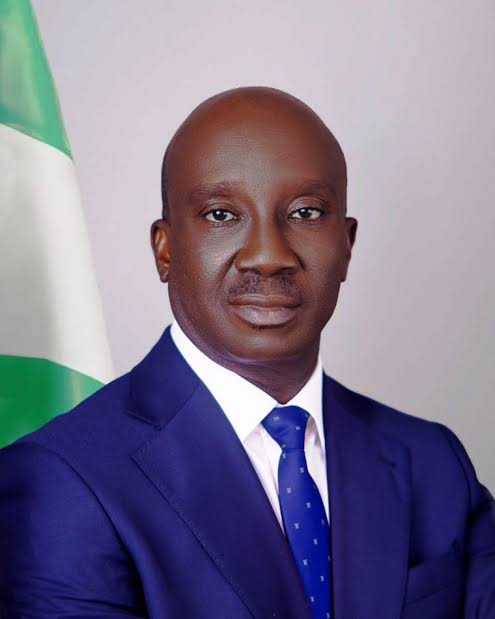
Edo State’s domestic debt has climbed by ₦59.37 billion since Governor Monday Okpebholo assumed office, pushing the state from 12th to sixth among Nigeria’s most indebted states in just 15 months, according to the latest figures released by the Debt Management Office (DMO).
The state’s domestic debt rose from ₦113 billion as of December 31, 2024, to ₦172.37 billion by March 31, 2026, marking a significant reversal after the state recorded a steady reduction in its debt stock throughout most of 2025.
The latest DMO Domestic Debt Data for the 36 states and the Federal Capital Territory showed that Edo’s debt increased by ₦81.19 billion between December 2025 and March 2026 alone.
That represents an 89 per cent increase within three months and significantly altered Edo’s position on the national domestic debt ranking.
Debt Declined Before Sudden Surge:-
When Okpebholo took office, Edo’s domestic debt stood at ₦113 billion at the end of 2024, placing the state 12th nationally. The debt subsequently declined during the first three quarters of 2025.
By March 2025, it had dropped to N₦82.4 billion before falling further to ₦80.32 billion in June and N76.13 billion in September. The downward trend, however, was reversed in the final quarter of the year.
Edo’s domestic debt increased to N₦91.18 billion by December 2025 before recording a dramatic surge in the first quarter of 2026, reaching ₦172.37 billion by March. The March 2026 figure is ₦59.37 billion higher than the ₦113 billion recorded at the end of 2024. The sharp increase has consequently moved Edo six places up the national ranking in about 15 months.
Fresh Borrowing Raises Questions:-
Edo State’s budget performance records indicate that the administration began obtaining additional loans in the third quarter of 2025. Between July and September 2025, the state obtained a ₦10.64 billion loan. Borrowing accelerated significantly in the first quarter of 2026.
According to the First Quarter 2026 Budget Performance Report, the Edo State Government obtained ₦46.71 billion in commercial bank loans between January and March 2026. The ₦46.71 billion borrowing represents more than half of the ₦81.19 billion increase recorded in Edo’s domestic debt between December 2025 and March 2026.
However, the commercial bank borrowing alone does not fully account for the entire increase in the debt stock, leaving part of the movement requiring further clarification through the state’s fiscal records. The development is expected to intensify scrutiny of the state government’s borrowing strategy, particularly as Edo assumes significantly larger domestic financial obligations.
Debt Servicing Also Mounts:-
The rising debt has been accompanied by substantial debt-servicing commitments.
Edo State spent ₦43.73 billion on public debt charges in 2025.
The expenditure included ₦13.73 billion in interest payments on foreign borrowing, ₦7.33 billion in interest on domestic loans, ₦5.75 billion in foreign loan principal repayments and ₦16.92 billion in domestic loan principal repayments.
The pressure continued into 2026, with the state spending ₦12.79 billion on public debt charges within the first three months of the year. The January-to-March expenditure represents nearly 30 per cent of the total amount spent on public debt charges throughout 2025. While borrowing can provide governments with resources for infrastructure, capital projects and other development programmes, rising debt-service costs can also reduce the funds available for essential public services and future investments.
From 12th to Sixth in 15 Months:-
Edo’s movement on the domestic debt ranking illustrates the scale and speed of the change. At the end of December 2024, the state ranked 12th among Nigeria’s 36 states and the FCT, with a domestic debt stock of ₦113 billion. By March 2026, Edo had risen to sixth place, with domestic debt reaching ₦172.37 billion. The sharp movement is particularly notable because it followed a substantial reduction in the state’s debt during the first nine months of 2025. The latest figures are therefore likely to place the state’s fiscal management under renewed public scrutiny, with attention expected to focus on what the additional borrowing is being used to finance and whether the investments will generate sufficient economic and social returns.
For Edo residents and taxpayers, the central issue will ultimately be whether the increased borrowing translates into durable infrastructure, stronger revenue generation, improved public services and sustainable economic growth, while keeping the state’s future debt obligations within manageable limits.