
NEWS
“Shake-N-Go” Faces Backlash Over Trademarking of “Yoruba”

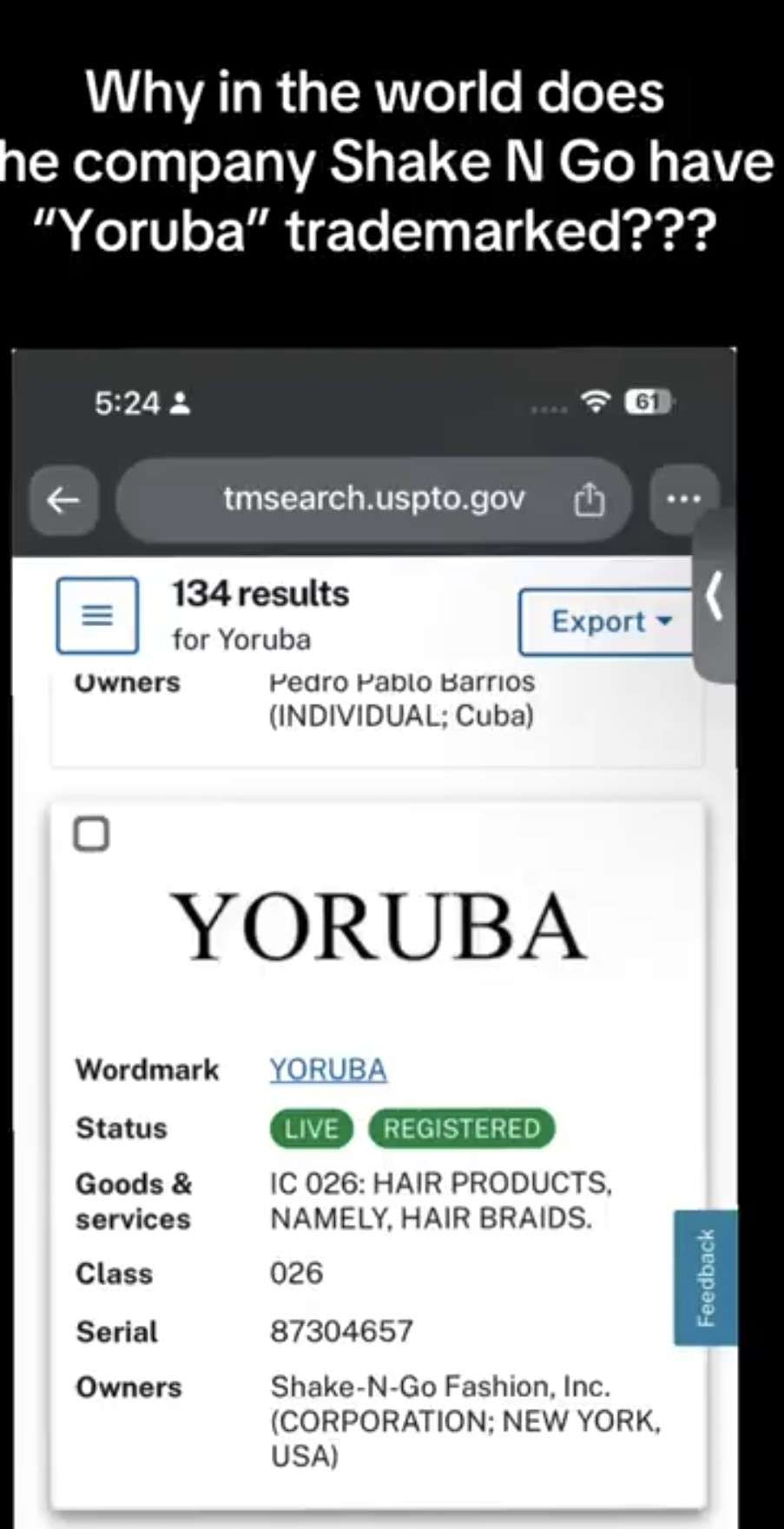
A growing controversy has erupted around “Shake-N-Go” following reports that the company has trademarked the word Yoruba, sparking widespread reactions and renewed conversations about the commercial value and cultural influence of the Yoruba identity.
The development has generated concern among members of the public who question how a word deeply rooted in the history, language, culture and identity of an indigenous African people could become the subject of a corporate trademark.
The controversy comes amid a growing trend in which brands, entertainers and content creators outside the Yoruba community increasingly incorporate Yoruba language, music, fashion, cultural expressions and imagery into their promotional campaigns.
In recent years, Yoruba-themed content has demonstrated remarkable traction across social media and entertainment platforms. Advertisements delivered in Yoruba, music featuring Yoruba lyrics, cultural references and content centred on Yoruba traditions have increasingly attracted strong engagement, with many creators discovering that authentic Yoruba cultural elements can significantly boost visibility, audience interest and commercial appeal.
What was once largely viewed as a regional cultural expression is now commanding attention far beyond Nigeria, with international audiences and non-Yoruba creators increasingly embracing Yoruba language and cultural aesthetics to connect with wider African and global audiences.
The latest development involving Shake-N-Go appears to have taken this trend into a new and more contentious territory, particularly because trademarking a cultural identifier as significant as Yoruba raises broader questions about cultural ownership, commercialisation and the limits of intellectual property protection.
The controversy has also highlighted the growing global influence of Yoruba culture. From music and film to fashion, language, spirituality, food and social media, Yoruba cultural expressions continue to cross geographical boundaries and attract audiences around the world.
As reactions continue to emerge, the Shake-N-Go controversy could potentially fuel a larger debate over who has the right to commercially appropriate, protect or claim ownership over words and cultural identities that belong to generations of people.
Beyond the immediate controversy, the development underscores an undeniable reality: Yoruba culture has become a powerful global brand, attracting commercial interest from both Africans and non-Africans.