
NEWS
Federal Government to End Electricity Subsidy Payments From 2027, Power Minister Says

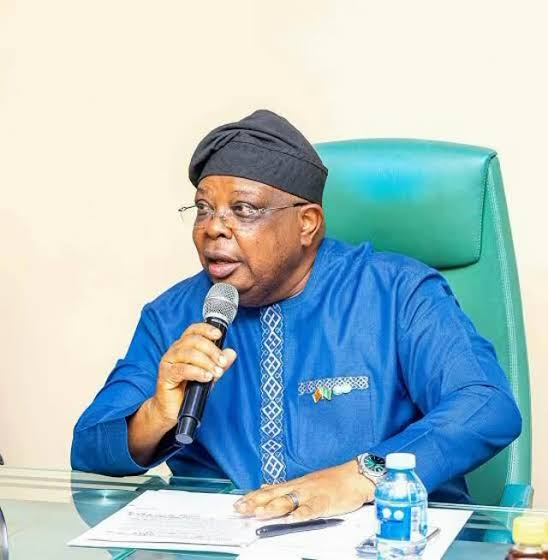
The Federal Government has announced plans to gradually phase out electricity subsidy payments from 2027, signalling a major shift in the financing of Nigeria’s power sector as the government moves to tackle mounting debts and establish a more sustainable electricity market.
Minister of Power, Joseph Tegbe, disclosed the plan on Friday, August 28, 2026, during a media interactive session, explaining that the subsidy regime would be brought to an end as part of broader efforts to clear accumulated liabilities and prevent the sector’s debts from continuing to grow.
According to the minister, the government is working on structures that would address the legacy debts inherited by the power sector while ensuring that consumers are not left without access to electricity.
“We have the mandate of Mr President to clear the legacy debt and come up with sustainable structures to make sure this doesn’t pile up any more,” Tegbe said.
The minister stressed that the planned withdrawal of the subsidy would not translate into abandoning electricity consumers or compromising efforts to improve power supply across the country.
“I promise you, next year, by God’s grace, we will put a stop to this so-called subsidy in the power sector.
“Mr President, we will not deprive Nigeria of anything. We’ll make sure Nigerian consumers continue to have power and improve power services.”
Tegbe also clarified that there was no immediate plan by the government to increase electricity tariffs, suggesting that the proposed subsidy reform should not be interpreted as an imminent tariff hike.
The planned phase-out comes against the backdrop of longstanding financial challenges in Nigeria’s electricity market, where the gap between the cost of generating and supplying electricity and the amount paid by consumers has placed a significant burden on government finances.
The Federal Government had previously estimated the electricity subsidy burden at about N3 trillion as of February 2024. The financial pressure has also affected power generation companies, with the Association of Power Generation Companies putting the amount owed to GenCos at roughly N6.5 trillion.
The huge debts have raised concerns over the ability of power generation companies to maintain operations, invest in new infrastructure and expand electricity generation, while distribution companies have also faced financial pressures within the electricity value chain.
Tegbe’s announcement is therefore coming as the Federal Government intensifies efforts to settle verified liabilities and restructure the sector’s finances.
President Bola Tinubu recently approved a N4 trillion bond programme designed to support the settlement of outstanding power-sector debts. As part of the programme, the government issued a ₦501 billion inaugural bond in January under the Presidential Power Sector Debt Reduction Programme.
On July 20, the government announced a second tranche of about N₦729 billion aimed at settling verified debts owed to power generation companies, further underscoring the administration’s efforts to address the financial crisis confronting the sector.
The move to end electricity subsidies also aligns with recommendations from the International Monetary Fund, which has advocated a gradual removal of electricity subsidies in Nigeria as part of broader reforms aimed at reducing fiscal pressure and improving the financial sustainability of the power sector.
Earlier this year, President Tinubu also directed ministries, departments and agencies to rely on existing electricity laws in determining how subsidy costs should be shared among the Federal Government, states and local governments in the 2026 budget.
With the planned 2027 phase-out now announced, attention is expected to turn to how the Federal Government will implement the transition, protect vulnerable electricity consumers and ensure that the removal of subsidies does not worsen the already difficult cost-of-living pressures faced by households and businesses.
The success of the policy will ultimately depend on whether the government can simultaneously clear outstanding debts, strengthen the financial position of operators, improve electricity generation and distribution, and deliver more reliable power to Nigerians.
For consumers, the key issue remains whether the promised improvement in electricity services will accompany the subsidy reforms, particularly as the government seeks to move the sector toward a model that can finance itself without continued dependence on public funds.