
NEWS
President Tinubu Orders Comprehensive Reforms as Nigerian Football Faces Defining Moment

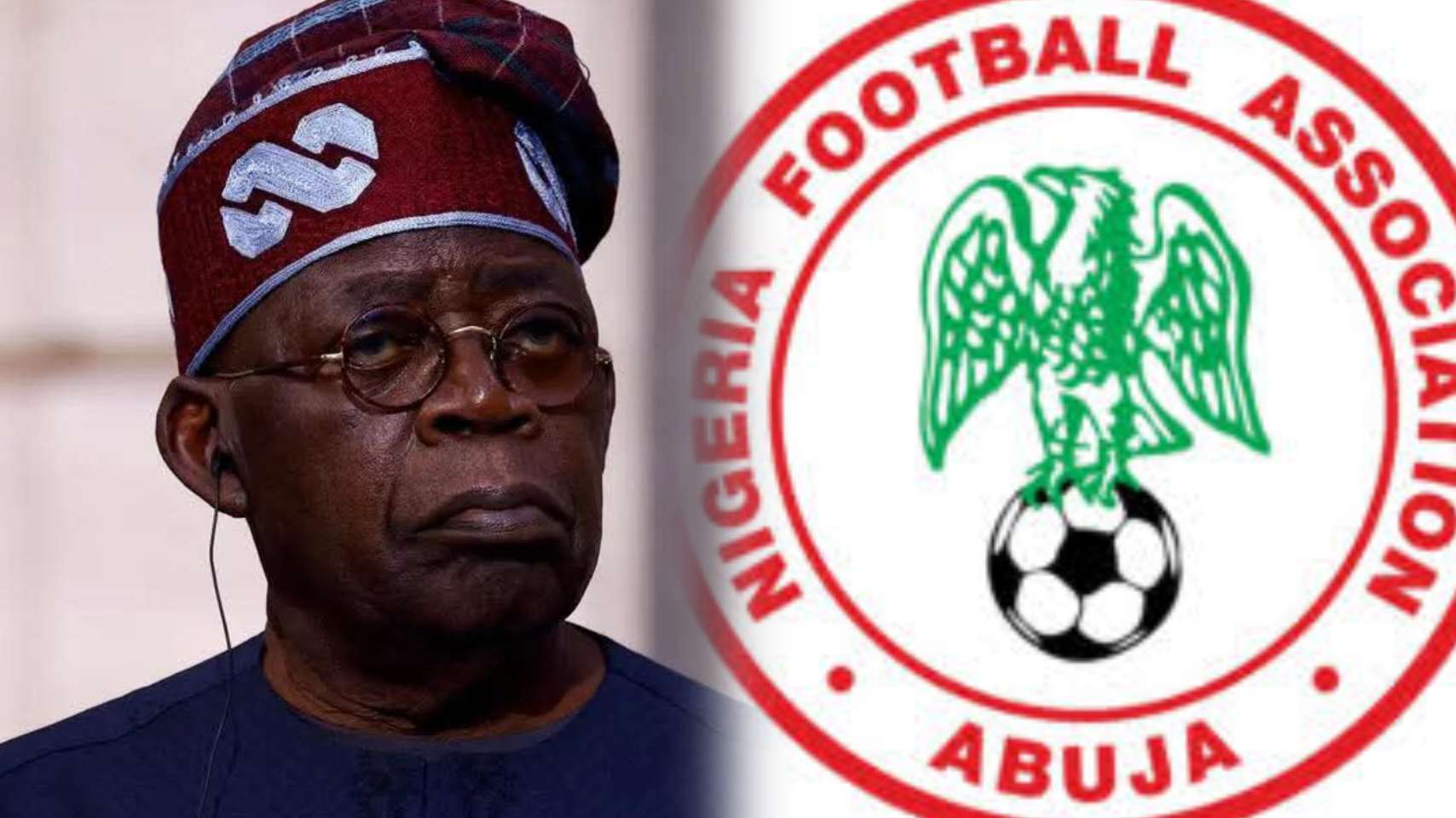
President Bola Ahmed Tinubu has ordered comprehensive reforms in Nigerian football, a directive that comes at a critical moment for the country’s football administration.
For years, Nigerian football has been plagued by inconsistent performances, leadership crises, litigation, internal disagreements and growing distrust among stakeholders. With the latest developments surrounding the Nigeria Football Federation, attention is now turning to how the country can rebuild the sport from its foundation.
A major focus of the proposed reforms is expected to be the composition and operation of the NFF Congress, the federation’s highest decision-making body.
The National Sports Commission has reportedly received approval from FIFA to establish an Interim Management Committee following the resignation of the Gusau-led NFF board. The development is expected to provide an opportunity to reorganise the football administration and lay the groundwork for a more sustainable system.
The composition of the NFF Congress could therefore become one of the committee’s most important assignments.
The Congress elects the NFF President, amends the federation’s statutes and approves its budgets. Its influence over the direction of Nigerian football makes its structure particularly important to any meaningful reform effort.
Under the current arrangement, the 37 state Football Association chairmen form a significant voting bloc within the Congress. Critics argue that the system has encouraged what can be described as delegate democracy, where political loyalty can sometimes take precedence over football development.
The one-state, one-vote arrangement has effectively created 37 powerful voting blocs, while some of the game’s other important stakeholders have comparatively limited influence over decisions that directly affect Nigerian football.
With the NFF now entering a period of transition, stakeholders have an opportunity to consider a Congress that is broader, more representative and more focused on football development.
One proposal gaining attention is a restructuring of the Congress to give greater representation to relevant football constituencies and professional expertise while reducing excessive political influence.
Under such an arrangement, the various associations and constituencies would be required to conduct transparent elections to select their representatives. The elections would take place at least 60 days before the Congress meets to choose its representatives, giving stakeholders sufficient time to participate and ensuring that the process is open and credible.
The objective would be to create an NFF Congress that reflects the wider football ecosystem rather than concentrating influence within a limited group of delegates.
The ongoing transition has consequently raised a much bigger question: can Nigeria use this moment to fundamentally change the way football is administered?
The resignation of the previous leadership and the proposed interim arrangement have created an opening for reforms that could potentially address longstanding structural problems within the federation.
However, the success of the process will ultimately depend on whether the reforms go beyond changing individuals and actually address the system that governs Nigerian football.
The old NFF structure is now facing a defining moment. What emerges from the transition could determine whether Nigerian football enters a genuinely new era or simply repeats the same cycle under a different set of leaders.
For Nigerian football supporters, players, coaches and other stakeholders, the expectation is clear: the reform must produce an administration that is transparent, accountable, representative and firmly focused on developing the game.
The big question now is not simply who will lead Nigerian football, but whether the foundation itself is finally going to be rebuilt.
What do you think about the proposed NFF reforms? Is restructuring the Congress the right place to begin, or should other areas receive priority?