
NEWS
U.S Broadcasters Halt White House Pool Coverage as CNN, MS NOW and Politico Sue Trump Over Ban

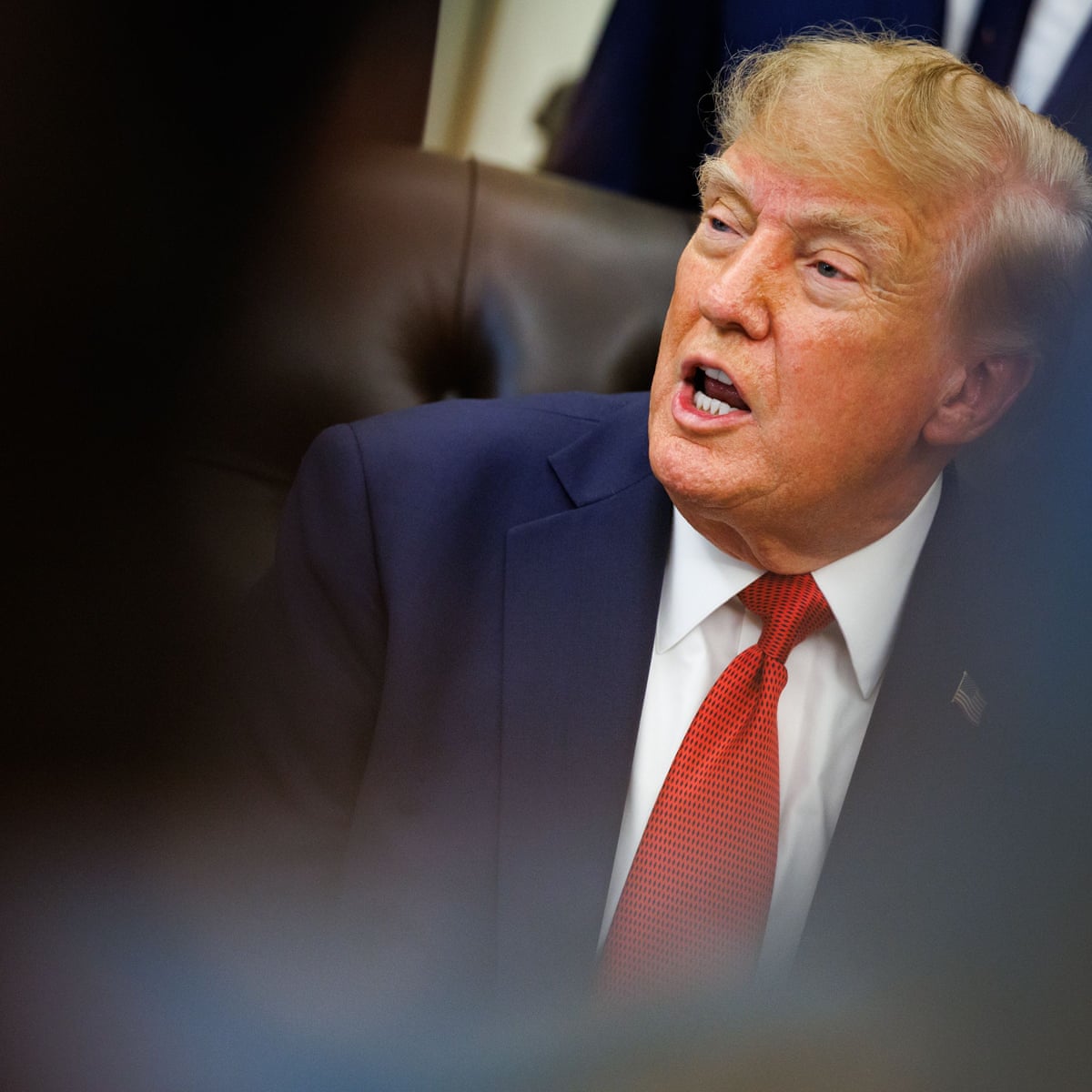
Major American television networks on Monday, September 21, 2026 suspended their participation in the rotating pool system that provides broadcast coverage of President Donald Trump, escalating an increasingly tense confrontation between the White House and major US news organisations.
The decision came as CNN, MS NOW and Politico went to court challenging their exclusion from the White House, arguing that the administration’s action violates constitutional protections for press freedom and independent journalism.
The three organisations filed a lawsuit after the Trump administration barred their journalists from accessing the White House complex. They are seeking an immediate reversal of the ban and a judicial declaration that the administration’s action violates the First Amendment of the US Constitution, which protects freedom of speech and of the press.
The dispute took a dramatic turn when five major US television networks, ABC, CBS, CNN, Fox and NBC, announced that they would suspend their participation in White House pooled television coverage in solidarity with CNN.
Under the pool arrangement, one broadcaster is assigned to provide television coverage on behalf of the wider broadcast industry for a particular day. CNN had been scheduled to handle the White House television pool on Monday.
The coordinated withdrawal meant that there was no traditional pooled television coverage of Trump’s Monday travel to New York for the United Nations General Assembly, where the US president was scheduled to meet with several world leaders.
The broadcasters maintained that the public has a fundamental interest in receiving independent and accurate information about the activities of its government, while news organisations should not be punished because of the nature of their reporting.
The White House confrontation follows Trump’s decision on Friday to bar journalists from CNN, MS NOW and Politico. Their reporters were denied access to the White House grounds on Saturday, with their credentials confiscated.
The affected organisations argued that their credentials had been revoked without adequate notice or due process and attributed the action to the administration’s objections to their reporting.
They further warned that allowing such restrictions to stand could have broader implications for press freedom and the public’s ability to receive independent journalism without government interference.
Trump, however, has defended the decision and rejected suggestions that his administration was attacking the free press.
The president instead accused the targeted media organisations of producing what he considers false or politically motivated coverage. In a statement on his Truth Social platform, Trump described the media as a threat and said his administration was targeting what he called fake news rather than legitimate journalism.
The president also characterised the media as a broader national-security concern, while maintaining that he values freedom of the press.
Trump has not provided a detailed explanation of the specific reports that triggered the ban. During an exchange with an AFP reporter in the Oval Office on Friday, however, he described the decision as the result of what he called cumulative reporting over the previous two years.
He also accused the affected outlets of attempting to undermine Republicans and his administration.
The president subsequently warned that other media organisations could face similar treatment, although he did not identify which outlets might be targeted.
The latest confrontation adds another chapter to Trump’s long-running and often combative relationship with the American news media. Throughout his political career and both presidential terms, Trump has frequently criticised outlets whose reporting he considers hostile to him, his campaigns or his administration.
His repeated attacks on journalists and media organisations have become a defining feature of his relationship with the press, including his frequent use of the phrase enemy of the people to describe sections of the media.
The legal challenge by CNN, MS NOW and Politico, combined with the decision by major broadcasters to suspend pooled White House coverage, has now transformed the dispute into a wider confrontation involving the administration, the courts and some of the country’s largest news organisations.
At the centre of the legal battle is whether a presidential administration can restrict journalists’ access to the White House because of dissatisfaction with their reporting, and where the constitutional limits lie between presidential control over access to the executive complex and the First Amendment protections afforded to the press.