
NEWS
U.S Lists Nigeria Among 14 Countries Facing Possible Military Aid Cuts Over Child Soldiers

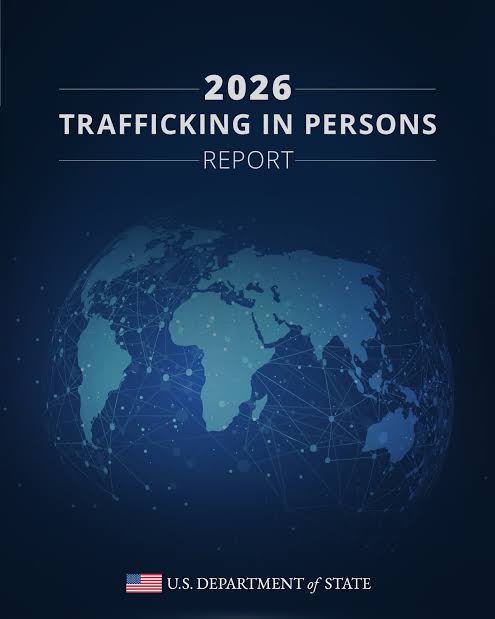
The United States has placed Nigeria among 14 countries facing potential restrictions on military assistance over the recruitment and use of child soldiers, raising fresh concerns about the implications for bilateral defence cooperation, military training, weapons sales and other forms of security support.
The designation was contained in the U.S Department of State’s 2026 Trafficking in Persons (TIP) Report, published on October 11, 2026. The report identified Boko Haram and the Islamic State West Africa Province (ISWAP) as armed groups that continue to recruit, abduct and exploit children in Nigeria, including for combat-related activities and suicide attacks.
The report covers the period from April 1, 2025, to March 31, 2026, and places Nigeria on the Child Soldiers Prevention Act (CSPA) list alongside Afghanistan, Burma, the Central African Republic, the Democratic Republic of the Congo, Ethiopia, Iran, Russia, Rwanda, Somalia, South Sudan, Sudan, Venezuela and Yemen.
The designation could have significant implications for Nigeria’s security relationship with Washington, particularly as both countries continue to cooperate on counterterrorism and efforts to address other security threats across Nigeria and the wider West African region.
Under the Child Soldiers Prevention Act, countries identified on the list may face restrictions on specific categories of US security assistance and licences for the commercial sale of military equipment. However, the law provides for certain exceptions, presidential waivers and other applicable exemptions.
According to the report, the restrictions were scheduled to take effect from October 1, 2026, and remain applicable throughout the relevant US fiscal year unless an exemption or waiver was granted.
Explaining the legal consequences of the designation, the report stated:
“The CSPA prohibits assistance to governments that are identified in the list under the following authorities: International Military Education and Training, Foreign Military Financing, Excess Defence Articles, and Peacekeeping Operations, with exceptions for some programs undertaken pursuant to the Peacekeeping Operations authority.
“The CSPA also prohibits the issuance of licenses for direct commercial sales of military equipment to such governments,” the report stated.
The designation does not necessarily mean that every form of U.S military assistance to Nigeria will automatically be terminated. Its actual impact will depend on the specific assistance involved and whether the relevant programmes qualify for exemptions or waivers under US law.
Nevertheless, the development places Nigeria among countries facing increased scrutiny over the recruitment and use of children by armed groups and could complicate aspects of Washington’s security engagement with Abuja.
According to the State Department, Boko Haram and ISWAP continue to recruit, abduct and use children as young as 12 years old for various activities, ranging from logistical support and intelligence gathering to armed combat and suicide bombings.
The report listed the roles allegedly assigned to children by the insurgent groups as cooks, domestic workers, spies, porters, messengers, bodyguards, checkpoint guards, armed combatants and suicide bombers.
It further alleged that the groups operate across Nigeria, Cameroon, Chad and Niger, exposing children to physical and sexual abuse as well as forced drug use.
Describing the alleged scale and nature of the exploitation, the report stated:
“Boko Haram and ISIS-West Africa continue recruiting, abducting, and using, including through force, fraud, and coercion, child soldiers as young as 12 years old as cooks, domestic workers, spies, porters, messengers, bodyguards or guards at checkpoints, ‘morality police,’ armed combatants, and suicide bombers in attacks in Nigeria, Cameroon, Chad, and Niger; these children are subjected to physical and sexual abuse and forced drug use,” the report stated.
The findings underscore the continuing threat posed by insurgent groups operating in the Lake Chad Basin, where insecurity, forced displacement and the activities of armed factions have left children vulnerable to recruitment, abduction and other forms of exploitation.
Beyond the use of child soldiers, the report raised concerns about the abduction and exploitation of women and girls in northern Nigeria, including allegations of forced labour, domestic servitude, sexual slavery and forced marriage.
It alleged that Boko Haram had kidnapped thousands of women and girls and forced some of them into marriages. The report further claimed that girls who refused to marry members of the group were sometimes punished by being compelled to become suicide bombers.
The report also identified trafficking-related abuses outside the insurgency-affected areas, pointing to the alleged recruitment of children by criminal gangs in southern Nigeria for forced criminal activities, including kidnapping and robbery.
Some children were also reportedly exploited in sex trafficking, while forced labour in agriculture and mining remained a concern involving criminal gangs in the north-west.
These findings suggest that the problem extends beyond the activities of Boko Haram and ISWAP, involving different forms of child exploitation and trafficking across several parts of the country.
In addition to Nigeria’s inclusion on the child-soldier designation list, the State Department reported that the country had failed to meet the minimum standards for eliminating human trafficking for the 15th consecutive year.
However, the report acknowledged some improvements in government funding and support for trafficking victims, indicating that certain interventions had been made even as significant shortcomings remained.
One of the most serious concerns raised by the US government involved alleged official complicity in trafficking-related crimes and the absence of reported investigations, prosecutions or convictions of public officials allegedly involved in such offences during the reporting period.
“The government did not report any investigations, prosecutions, or convictions of government employees allegedly complicit in trafficking crimes or provide details or other actions taken against complicit officials from previous years. It further warned that “corruption and official complicity in trafficking crimes remained significant concerns,“ the report stated.
The allegations place additional scrutiny on Nigeria’s efforts to investigate trafficking offences, hold suspected perpetrators accountable and strengthen the protection of vulnerable populations, particularly children and women exposed to armed conflict and organised criminal activities.
Nigeria’s inclusion on the CSPA list comes at a time when cooperation with the United States remains important to the country’s efforts to confront terrorism and other security challenges. Any restrictions affecting military financing, training programmes, equipment transfers or commercial weapons licensing could therefore become a significant issue in bilateral relations.
The extent of the practical impact will depend on how the United States implements the restrictions, the assistance programmes affected and whether relevant exemptions or presidential waivers are granted.
The report ultimately places two interconnected issues in the spotlight: the continuing recruitment and exploitation of children by armed groups and criminal networks, and the need for stronger accountability and anti-trafficking enforcement.
For Nigeria, the designation presents renewed pressure to demonstrate progress in protecting children from recruitment, improving investigations into trafficking allegations and ensuring that individuals implicated in such crimes are held accountable under the law.