
NEWS
Putin Would Answer Zelensky’s Call, Kremlin Says as Fresh Peace Talks Loom Amid NATO Tensions

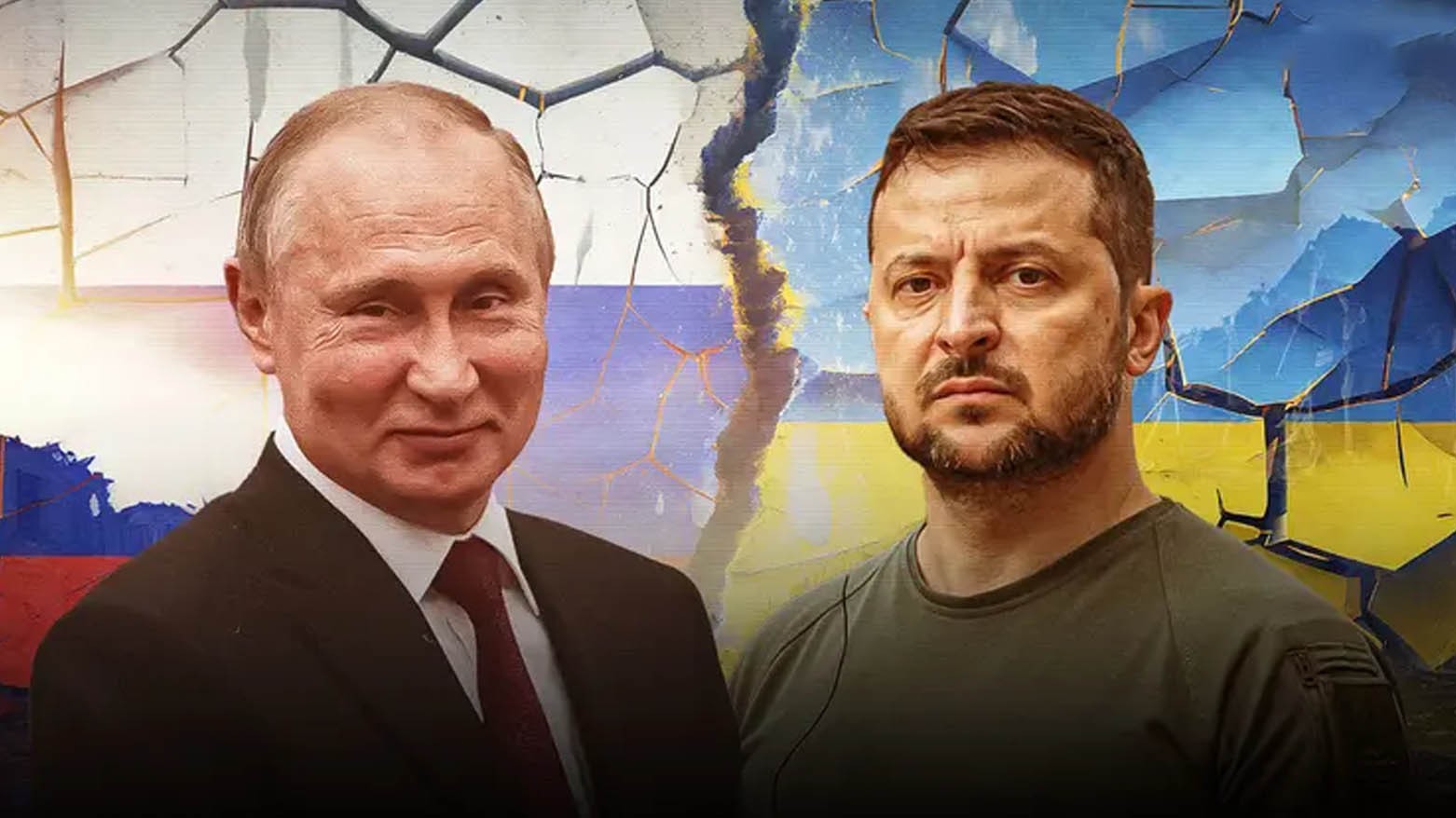
The Kremlin has indicated that Russian President Vladimir Putin would answer a telephone call from Ukrainian President Volodymyr Zelensky, renewing attention on the possibility of direct communication between the two leaders as preparations gather pace for another round of US-brokered peace negotiations.
Yuri Ushakov, a senior Kremlin foreign policy aide, made the disclosure on Sunday, suggesting that Moscow remained open to communication with Kyiv despite the deep mistrust and diplomatic tensions that have characterised relations between the two countries since Russia launched its full-scale invasion of Ukraine in February 2022.
“I think he would answer, of course. Putin has never refused talks,” Ushakov claimed.
His remarks come ahead of a planned resumption of peace talks in Abu Dhabi this month, where Russian, Ukrainian and American officials are expected to explore possible pathways towards ending the devastating conflict.
However, despite renewed diplomatic activity, Putin and Zelensky have not spoken directly by telephone or met face-to-face since Russia’s invasion began in 2022. Their last in-person meeting took place in December 2019 during the Normandy Format negotiations, which were mediated by France and Germany in an effort to resolve the earlier conflict in eastern Ukraine.
Since then, Kyiv has repeatedly sought a direct meeting between the two presidents, arguing that meaningful progress towards ending the war would require engagement at the highest political level.
In July, Zelensky reportedly sent an open letter to Putin calling for a face-to-face meeting to discuss an end to the war, signalling Ukraine’s continued interest in exploring direct negotiations despite the enormous obstacles confronting both sides.
Nevertheless, the Kremlin’s latest comments have raised questions about whether Moscow is genuinely prepared for a substantive presidential meeting or would prefer a less direct form of engagement.
According to a report by the Kyiv Independent on Friday, the Kremlin was seeking to avoid a face-to-face meeting between Putin and Zelensky by proposing a telephone conversation instead.
Ukrainian officials reportedly suspect that Russia may be attempting to substitute a phone call, which could produce little concrete progress, for the more consequential in-person meeting Kyiv has long demanded.
“They’ve already tried to do this over the phone,” one senior Ukrainian official said.
The apparent disagreement over the format of engagement highlights a central challenge facing the diplomatic process: both countries have expressed positions on negotiations, but significant differences remain over the conditions, format and objectives of any potential agreement.
Kremlin spokesman Dmitry Peskov also addressed the issue on October 30, maintaining that Putin remained willing to engage in diplomatic discussions.
According to Peskov, the Russian president was “open to dialogue with everyone”.
However, when asked whether Putin would speak directly with Zelensky by telephone, the Kremlin spokesman added that “no one has called yet”.
Putin has previously questioned Zelensky’s legitimacy as Ukraine’s leader, describing him as an “illegitimate leader” and arguing that any meeting between them should take place only when a deal has already been approved.
Such conditions have complicated efforts to arrange direct negotiations, with Kyiv pushing for discussions capable of producing a political breakthrough while Moscow has maintained its own demands concerning the structure and substance of a potential settlement.
Peskov has also argued that the initial phase of negotiations should involve Russia, Ukraine and the United States, effectively favouring a trilateral arrangement rather than a broader international conference.
Asked whether European countries should participate in the discussions, he said: “We have working contacts with the Americans. Therefore, it is logical, of course, that at least the first rounds of negotiations should be held in a trilateral format.”
The proposed format has become another point of diplomatic contention, particularly because European countries have played significant roles in supporting Ukraine militarily, financially and politically since the invasion began.
Diplomatic sources previously told The Telegraph that Russia could seek to use the upcoming Abu Dhabi negotiations to secure concessions affecting NATO’s defensive posture and future expansion.
Moscow has consistently opposed NATO’s enlargement, portraying the alliance’s expansion as a major security concern and a central factor behind its confrontation with Ukraine and Western governments.
The sources reportedly suggested that Russia could use the negotiations to pursue concessions relating to NATO expansion, an issue Putin has described as the “root cause” of the war.
However, Ushakov has also indicated that Europe should be included in negotiations involving Russian, Ukrainian and American officials, arguing that the continent would be crucial to securing a lasting agreement.
The differing positions have fuelled questions about whether the proposed negotiations will focus primarily on ending hostilities in Ukraine or also address the wider security architecture of Europe.
For Ukraine and its European partners, any settlement involving security guarantees, territorial questions or restrictions on future defence arrangements could have far-reaching implications beyond the immediate battlefield.
Meanwhile, fresh reports suggest that Washington is urging some NATO allies to moderate their public criticism of Russia, adding another layer of tension to the diplomatic environment surrounding the anticipated negotiations.
According to people familiar with the matter who spoke to Reuters, the Pentagon has reportedly encouraged several NATO countries to tone down warnings about the threat posed by Moscow.
Lithuania, Latvia and Estonia, three Baltic nations that have consistently voiced concern about Russian military intentions, were among the countries reportedly advised to soften their public rhetoric to avoid provoking the Kremlin.
The reported message was that strongly worded public statements condemning Russia could undermine broader security objectives at a time when Washington is seeking to advance diplomatic efforts.
Elbridge Colby, the Pentagon’s policy chief, was reportedly among the American officials who conveyed the message during bilateral meetings with European counterparts. It remained unclear whether similar advice had been communicated to other European governments.
One example of rhetoric reportedly cited by Colby involved comments from European leaders suggesting that Putin was “cornered like a rat”.
Estonian Prime Minister Kristen Michal used the phrase in September while describing what he viewed as the Russian president’s increasingly desperate response to setbacks in Ukraine.
In a separate meeting, Pentagon officials reportedly urged an Estonian delegation to adopt a more restrained approach to public communications concerning Russia.
One European official summarised the message by saying: “We are helping you. The Americans are there. Just don’t be loud. Don’t make noise,”
The reports suggest that the United States may be attempting to balance its support for NATO allies with efforts to prevent further escalation and create room for negotiations with Moscow.
However, any perceived pressure on frontline NATO countries to moderate their criticism of Russia could prove politically sensitive, particularly among governments that regard Moscow as a direct and continuing security threat.
The Pentagon declined to comment directly on the allegations, stating: “Private conversations among allies are just that, so we will not comment.”
As preparations continue for the anticipated Abu Dhabi talks, the prospect of direct communication between Putin and Zelensky remains uncertain.
Although the Kremlin insists that Putin would answer if the Ukrainian president called, Kyiv’s preference for a face-to-face meeting underscores the continuing divide over how negotiations should proceed.
The wider diplomatic picture is equally complicated by disagreements over NATO’s future, European participation and the security arrangements that could emerge from any settlement.
Ultimately, whether the proposed talks can deliver meaningful progress will depend not only on the willingness of the parties to communicate but also on their readiness to confront the fundamental disagreements that have prolonged the war.
For now, the Kremlin’s latest statement has reopened the possibility of direct contact between the two leaders, but it remains unclear whether a telephone conversation, if it takes place, would pave the way for a substantive breakthrough or simply mark another stage in an increasingly complex diplomatic process.