
NEWS
Seun Okinbaloye Clarifies 2027 Election Rigging Warning, Says Statement Named No Political Party or Candidate

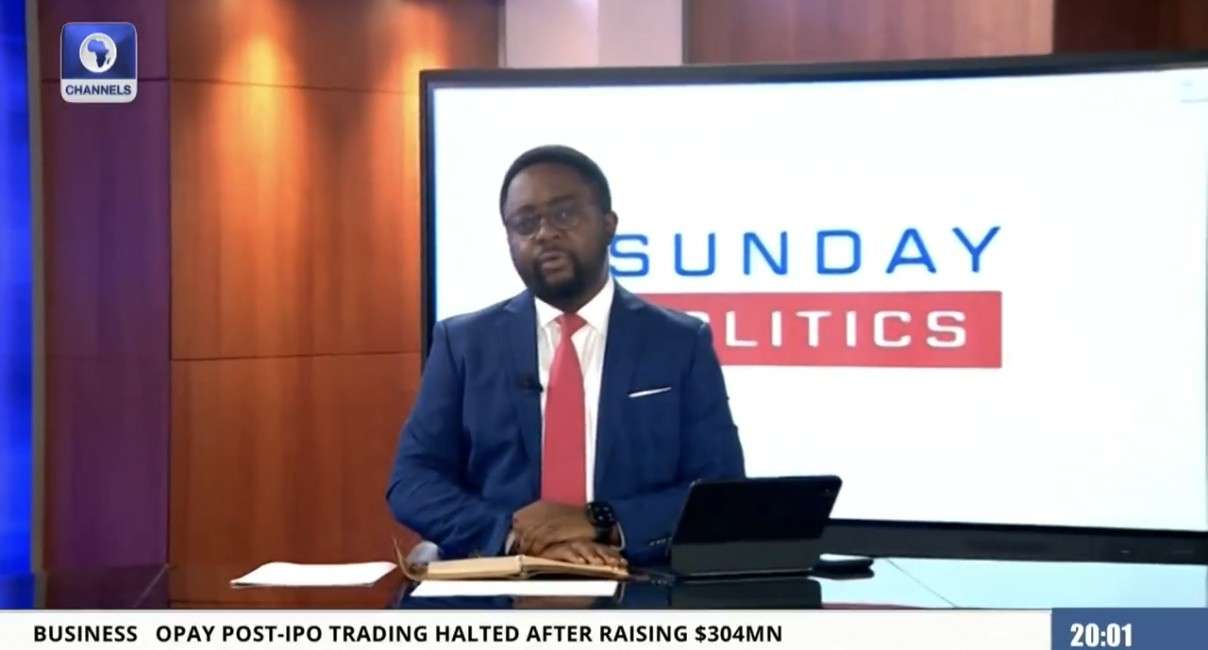
Channels Television’s renowned journalist and political affairs anchor, Seun Okinbaloye, has clarified his controversial warning about the possibility of election rigging in Nigeria’s 2027 general elections, stressing that his remarks were not directed at any political party, presidential candidate or individual sponsor.
Okinbaloye, who has attracted attention following his warning about the credibility of the forthcoming elections, moved to address interpretations of his statement, insisting that his message was not an accusation against any particular political interest.
In his clarification, the journalist maintained that his warning was general in nature and should not be misconstrued as an allegation against any political party or candidate.
“My Warning Named No Political Party, Accused No Candidate, And Identified No Sponsor,” he said.
His statement underscores the distinction between raising concerns about the integrity of an electoral process and directly accusing a political actor of planning to manipulate election results.
With Nigeria gradually approaching the 2027 general elections, discussions about electoral credibility, transparency, institutional independence and public confidence in the democratic process are expected to intensify.
Okinbaloye’s clarification comes against the backdrop of heightened political activities and growing public interest in the preparations for the next electoral cycle. His position suggests that his warning should be understood as a broader concern about protecting the integrity of the democratic process rather than an attempt to single out any political party or candidate.
The journalist’s intervention also highlights the sensitivity surrounding public commentary on election security and credibility, particularly in a politically charged atmosphere where statements by prominent media figures can quickly generate competing interpretations.
As political parties and aspirants prepare for the 2027 elections, the question of how to guarantee credible, transparent and widely accepted results is likely to remain central to national conversations.
For Okinbaloye, however, the central message of his clarification is that his warning should be judged on its stated content, without attributing accusations or political motives that he says h e did not express.