
NEWS
Electoral Act Amendment Bill Sparks Fresh Debate as National Assembly Moves to Reconvene Over E-Transmission of Election Results

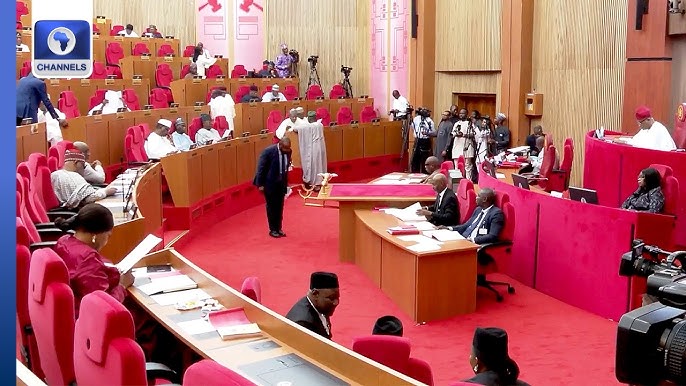
Fresh political tension is building across Nigeria as the National Assembly prepares to reconvene over the controversial issue of electronic transmission of election results in the ongoing Electoral Act Amendment process.
The planned reconvening of lawmakers has reignited nationwide discussions on electoral transparency, credibility, and the future of Nigeria’s democratic process ahead of the 2027 general elections.
At the center of the renewed legislative debate is the demand for a clearer legal framework that would guarantee the electronic transmission of election results directly from polling units, a move widely seen as critical to reducing electoral malpractice, result manipulation, and delays in collation.
The controversy surrounding e-transmission has continued to divide political stakeholders, civil society groups, election observers, and lawmakers, with many Nigerians insisting that technology-driven elections remain one of the strongest pathways to credible polls in the country.
Sources within the National Assembly revealed that lawmakers are expected to revisit contentious clauses in the Electoral Act Amendment Bill, particularly provisions relating to the powers of the Independent National Electoral Commission and the mandatory use of electronic result transmission during elections.
The move comes amid increasing public pressure on lawmakers to strengthen electoral reforms and restore public confidence in the nation’s electoral system following concerns raised during previous elections.
Political analysts believe the outcome of the deliberations could shape the future of Nigeria’s democracy and significantly influence preparations for the 2027 elections.
Observers also argue that institutionalizing electronic transmission of results would enhance transparency, reduce human interference in the collation process, and minimize post-election disputes that often end up in court.
As deliberations resume, attention is expected to focus on whether lawmakers will adopt stronger provisions that make electronic transmission compulsory or retain flexible clauses that leave implementation largely at the discretion of electoral authorities.
With political parties, advocacy groups, and citizens closely monitoring developments, the reconvening of the National Assembly is already being viewed as a decisive moment in Nigeria’s push for deeper electoral reforms and more credible elections.