
NEWS
INEC Explains Why Tinubu’s Primary, Secondary School Certificates Were Missing From 2027 Credentials

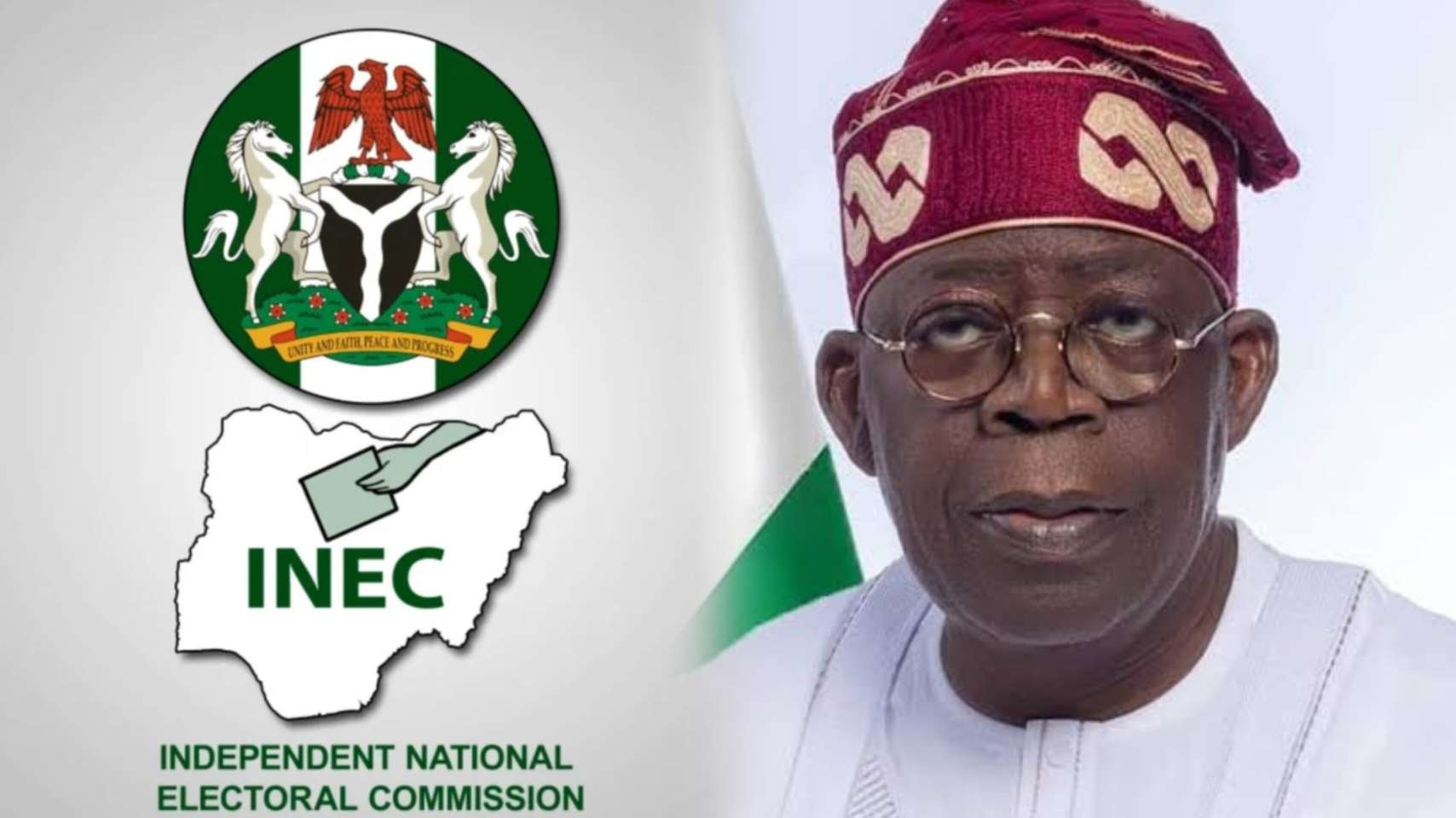
The Independent National Electoral Commission (INEC) has clarified why President Bola Tinubu’s primary and secondary school certificates were not included among the credentials published for presidential candidates ahead of the 2027 general election.
The explanation came amid growing public attention following INEC’s release of the academic and other credentials submitted by presidential candidates seeking to contest the 2027 election.
A senior INEC official, who spoke anonymously to Sunday PUNCH, said the commission’s responsibility was limited to publishing the documents submitted by candidates and that it had no authority to independently question, modify or replace any credential presented by an aspirant.
”We only published what was submitted to the commission. We don’t have any authority to question those ones. I mean, our own is just to publish so that anybody who has an objection can raise issues with what we’ve published,” the official said.
According to the official, the publication of the candidates’ credentials is intended to promote transparency and provide Nigerians and other interested parties with an opportunity to examine the documents submitted by the presidential contenders.
The process also allows members of the public to draw attention to any discrepancies, omissions or concerns they may have regarding the information contained in the published documents.
The absence of Tinubu’s primary and secondary school certificates from the documents made public has consequently generated renewed debate, particularly among political actors and members of the public who have raised questions about the academic credentials associated with the President.
INEC’s position, however, is that the commission can only publish the materials submitted to it by the candidates and provide an avenue for objections to be formally raised.
Meanwhile, the controversy has taken another dimension following a petition reportedly submitted against Tinubu to the European Commission in Brussels, Belgium, by Kalu Agu, a legal counsel and chieftain of the African Democratic Congress (ADC).
Agu reportedly alleged that Tinubu submitted false academic credentials to INEC and failed to disclose the primary and secondary schools he attended as required in connection with the 2027 presidential election.
A video shared on X by Paul Ibe, a media aide to former Vice President Atiku Abubakar, purportedly showed Agu submitting the petition in Brussels.
In the petition, Agu reportedly urged the European Union to intervene in what he described as an alleged subversion of Nigeria’s constitutional order, citing the issues surrounding Tinubu’s academic credentials and the information submitted to INEC.
The development adds another layer to the political and legal scrutiny surrounding the 2027 presidential contest, as parties and political figures increasingly focus on the eligibility and credentials of prospective candidates.
However, the allegations contained in the petition remain allegations and have not been established by a court. No finding of wrongdoing against Tinubu can therefore be inferred solely from the petition or the absence of particular documents from INEC’s published materials.