
NEWS
Kremlin Rejects Zelensky’s 60-Day Ceasefire Proposal, Insists on Long-Term Peace Deal

The Kremlin has rejected Ukrainian President, Volodymyr Zelensky’s proposal for a 60-day ceasefire to allow Ukraine to organise presidential elections, insisting that Moscow wants a comprehensive, long-term peace agreement rather than a temporary halt to hostilities.
The rejection, announced on Monday, October 12, 2026, underscores the continuing differences between Moscow and Kyiv over the conditions required to address the war and the possibility of holding elections in Ukraine while the conflict remains unresolved.
Zelensky had appealed directly to Russian President Vladimir Putin to agree to a two-month cessation of hostilities, arguing that a 60-day period of complete calm would give Ukraine the opportunity to organise presidential elections.
“Please tell Putin, give us two months, 60 days of total ceasefire, 60 days, and we will organize elections,“ Zelensky told ABC’s “This Week” on Sunday.
The Ukrainian president’s proposal links a temporary ceasefire to the country’s electoral process, which has remained a contentious issue amid the prolonged war with Russia.
However, Moscow has dismissed the idea, maintaining that a temporary suspension of fighting would not provide the lasting resolution it says is necessary to end the conflict.
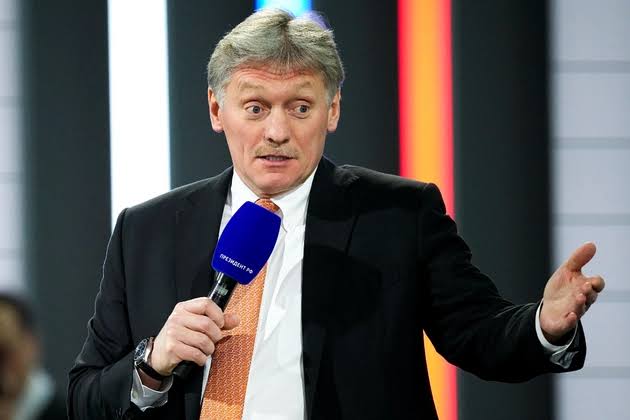
Kremlin spokesman Dmitry Peskov communicated Russia’s position to reporters on Monday, reiterating that the Russian government was seeking a permanent peace arrangement rather than a short-term ceasefire.
“In the Kremlin, both President Putin and officials at other levels have repeatedly stated that we do not want a ceasefire.
“We want long-term peace and are prepared to do everything possible to achieve it,“ said Peskov.
Peskov’s remarks indicate that Russia is unwilling to accept the proposed 60-day arrangement as a standalone measure, with the Kremlin instead emphasising its preference for a broader agreement aimed at ending the war.
The disagreement comes against the backdrop of persistent tensions over Ukraine’s political leadership and the legal framework governing elections during wartime.
Russia has repeatedly called on Ukraine to conduct presidential elections, arguing that the absence of a new vote undermines Zelensky’s legitimacy as president.
Kyiv, however, faces legal and practical obstacles to organising a nationwide election while the country remains at war.
Under Ukrainian law, elections are prohibited during martial law, the emergency legal framework under which the country has operated since Russia launched its full-scale invasion in February 2022.
The continuation of martial law has therefore complicated the prospect of holding a presidential election, particularly amid security concerns, the displacement of millions of Ukrainians and the challenges of ensuring that citizens can participate in a credible nationwide vote.
Zelensky’s proposal seeks to create a temporary period of calm in which preparations for an election could take place.
Moscow’s rejection, however, leaves the two sides divided over whether a ceasefire should be considered a step towards resolving the conflict or whether negotiations should focus directly on securing a comprehensive peace agreement.
With Russia insisting on a long-term settlement and Ukraine proposing a 60-day ceasefire tied to elections, the latest exchange highlights the continuing diplomatic disagreements surrounding the war, its political consequences and the conditions under which a lasting resolution might be achieved.