
NEWS
NFF President, Ibrahim Gusau, Board Members Resign Amid Mounting Crisis Over Nigerian Football

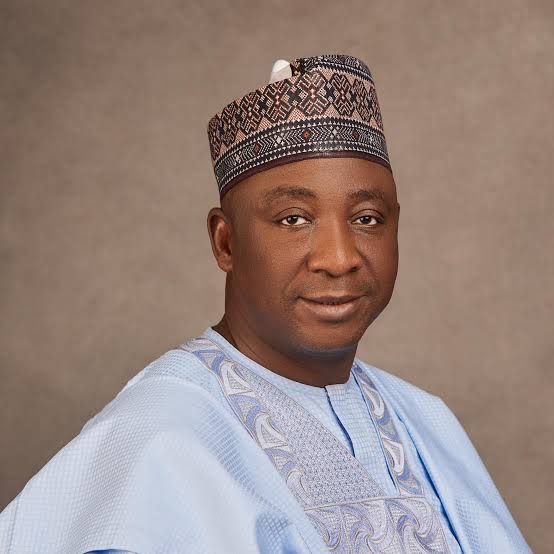
The President of the Nigeria Football Federation (NFF) Ibrahim Gusau, and other members of the federation’s board have reportedly resigned from their positions amid mounting pressure over the worsening state of Nigerian football.
The development marks a dramatic turn for the leadership of the country’s football governing body, which has faced intense criticism in recent years over the management of the various national teams, financial controversies and a string of disappointing results on the international stage.
The pressure on the NFF reached a new level following the Super Falcons’ historic failure to qualify for the FIFA Women’s World Cup for the first time since the competition began in 1991.
For more than three decades, Nigeria’s senior women’s national team had maintained an unbroken record of appearances at every edition of the FIFA Women’s World Cup. That remarkable record has now been shattered, dealing another major blow to Nigerian football and intensifying calls for sweeping changes at the Glass House.
The crisis surrounding the NFF leadership has also been compounded by increasing scrutiny over the management of funds released by the Federal Government for the country’s national football teams.
The Department of State Services (DSS) has reportedly joined other security operatives in investigating the NFF over the utilisation of the ₦17 billion Federal Government intervention fund released to the federation for the payment of players’ wages and bonuses. The fund was approved by President Bola Tinubu in 2024 to clear outstanding financial obligations owed to Nigeria’s national teams. Security operatives are said to be examining documents and records relating to the disbursement and utilisation of the funds, as concerns continue to mount over financial management within Nigerian football.
An authoritative source disclosed that security agencies had intensified scrutiny of NFF officials and were seeking clarification and documentation regarding how the intervention fund was utilised.
“It’s a normal thing for DSS to go through all documents relating to the funds released them,” the source said, dismissing fears of witch hunt or hounding.
The probe has further increased pressure on the federation at a time when public confidence in the administration of Nigerian football has been severely tested.
The latest controversy comes against the backdrop of what many football stakeholders have described as a serious decline in the fortunes of Nigeria’s national teams.
The Super Eagles have missed consecutive FIFA World Cups, while the Super Falcons have now suffered their first-ever failure to qualify for the FIFA Women’s World Cup.
Nigeria’s women crashed out of the 2026 Women’s Africa Cup of Nations, WAFCON, after losing 1-0 to Cameroon in the quarter-finals, bringing their title defence to an abrupt end and damaging their automatic World Cup qualification hopes. The result forced the Super Falcons into a difficult playoff route involving South Africa’s Banyana Banyana.
Nigeria’s hopes of rescuing their World Cup dream were eventually dashed after South Africa defeated the Super Falcons 2-1 in the Women’s World Cup qualification playoff. The defeat ensured that Nigeria, one of Africa’s most successful women’s football nations, would miss the global tournament for the first time in history. Having featured at every FIFA Women’s World Cup since the inaugural edition in 1991, the Super Falcons’ absence represents one of the darkest moments in the history of Nigerian women’s football.
The executive committee of the NFF, headed by Ibrahim Gusau, had reportedly come under intense pressure to resign following the growing list of failures involving the country’s national teams and the controversies surrounding the federation. The situation was further complicated by reports that more than half of the members of the NFF board had allegedly stepped down from their positions. 8 of the 13 members of the NFF board were reportedly said to have quit, raising serious questions about the stability and continued existence of the current leadership structure. The reported mass resignation could trigger a major shake-up within the federation and potentially open the door for a complete restructuring of Nigerian football administration.
The unfolding crisis could also affect preparations for the scheduled September 27 elections into the board of the Nigeria Football Federation. The elections are slated to hold in Lafia, Nasarawa State, but the sudden resignation of the NFF president and other board members could throw the entire process into uncertainty. With the federation facing pressure over the performance of the national teams, allegations surrounding the management of intervention funds and the reported collapse of its board, Nigerian football appears to be entering another critical chapter.
For many football followers, the developments have renewed demands for accountability, transparency and a comprehensive rebuilding of the country’s football system as Nigeria seeks to restore its lost status as a dominant force in African and world football.