
NEWS
Nigerian Govt Firmly Rejects Allegations of Genocide Against Christians, Reaffirms Commitment to Religious Freedom and Strategic U.S. Partnership

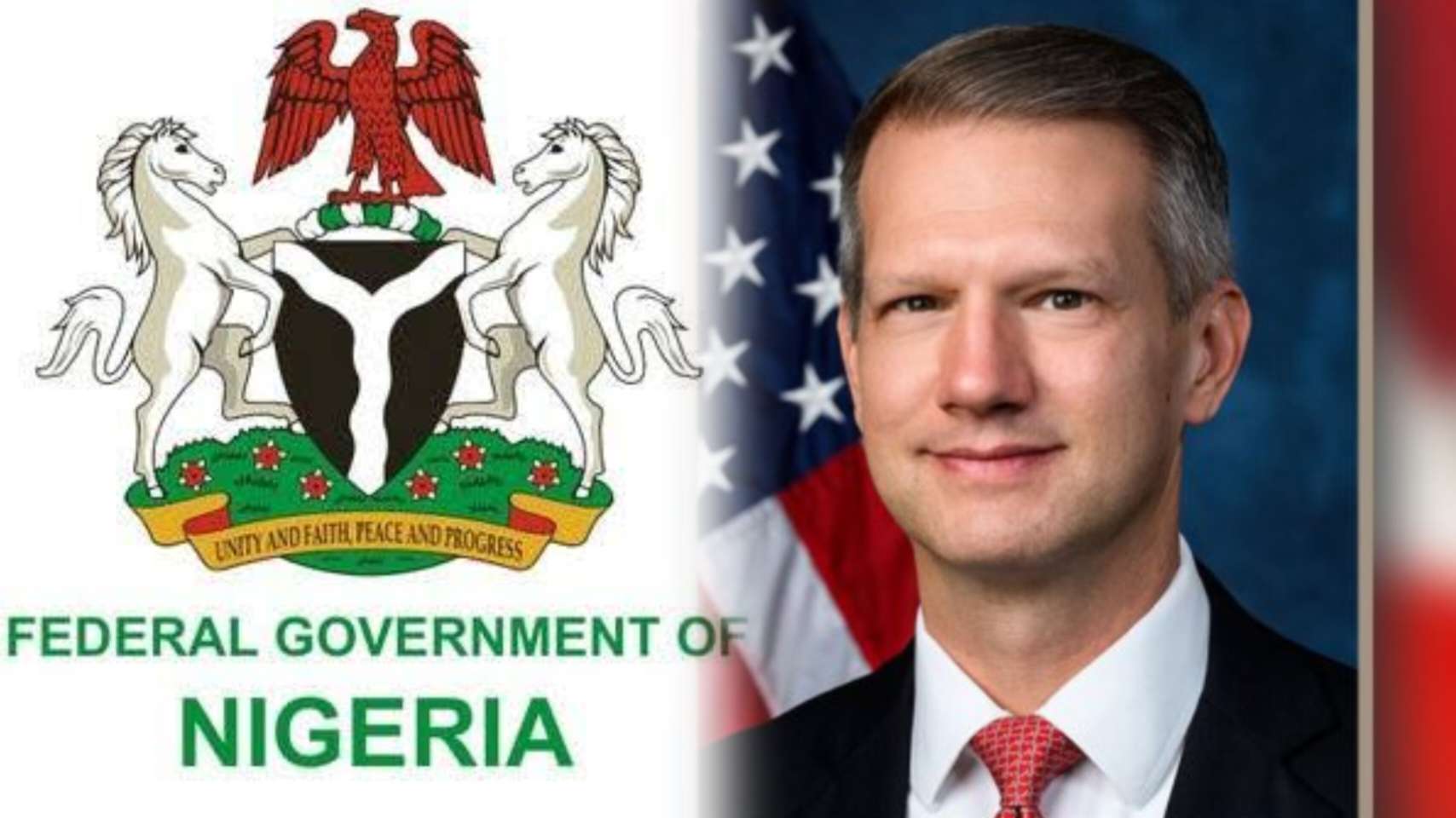
The Nigerian Government has once again strongly countered allegations of genocide and systematic persecution of Christians in the country, describing such claims as unfounded and inconsistent with the realities on ground.
The rebuttal followed reports of religious persecution submitted to the President of the United States, Donald Trump, by U.S. Congressman Riley Moore. The report, which was filed by the U.S. House Committees on Appropriations and Foreign Affairs, came after months of investigation conducted in Nigeria.
According to the findings outlined in the submission, there were allegations of persecution of Christians and broader extremist violence targeting those who believe in Christ Jesus. The development has since generated reactions within diplomatic and policy circles.
Reacting to the claims, Nigeria’s Minister of Information, Mohammed Idris, issued a firm response dismissing the allegation of state-sponsored religious persecution.
In a statement, the Minister said, “It is important to state clearly that Nigeria does not have, and has never had, a state policy of religious persecution.
“The violence being confronted by our security agencies is not driven by government policy or religious bias, but by complex security threats, including terrorism, organised criminality, and longstanding communal tensions.
“Nigeria values its longstanding and strategic partnership with the United States. Our two countries share common interests in promoting security, economic development, and regional stability.
“We remain open to constructive dialogue and cooperation rooted in mutual respect, shared responsibility, and recognition of Nigeria’s constitutional framework and sovereignty.”
The Federal Government maintained that while Nigeria continues to confront multifaceted security challenges, these threats are not targeted at any particular religious group by design or policy. Officials emphasized that the security situation in parts of the country is largely driven by terrorism, banditry, insurgency, and communal clashes, which affect citizens across religious and ethnic lines.
The government further reiterated its commitment to upholding constitutional rights, including freedom of religion, and pledged to continue strengthening collaboration with international partners in addressing security concerns.
Observers note that the latest diplomatic exchange underscores the sensitivity of security narratives surrounding Nigeria, particularly in the international arena, as the country balances internal security reforms with its longstanding global partnerships.