
NEWS
OPay Pulls $304 Million US IPO at Last Minute Over Foreign Regulatory Probe

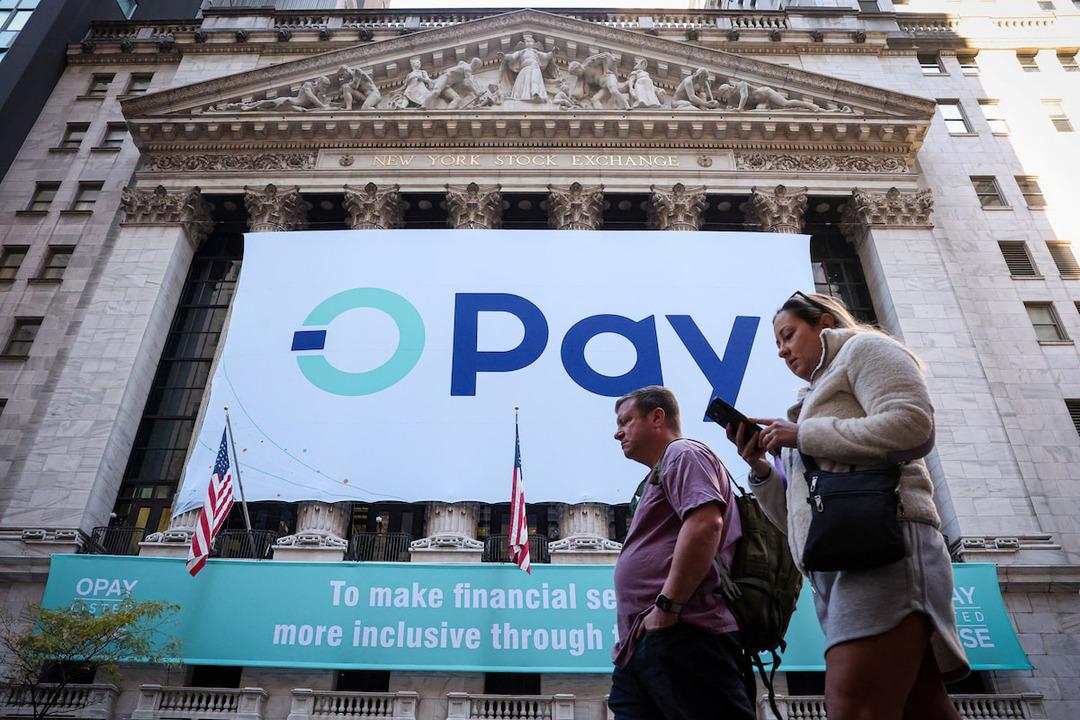
SoftBank-backed digital payments giant OPay has withdrawn its planned $304 million initial public offering (IPO) in the United States following a regulatory inquiry by an unidentified foreign jurisdiction, abruptly halting its much-anticipated entry into the American stock market.
The Nigeria-focused fintech company announced the decision on Friday, just hours after revealing that it had priced its proposed offering, raising fresh questions about the circumstances surrounding the sudden suspension of the listing.
OPay, which provides digital financial services across emerging markets, including Nigeria and Indonesia, did not disclose the identity of the regulator involved or the specific nature of the investigation. However, the company maintained that the inquiry concerned a jurisdiction with limited relevance to its core business operations.
In explaining its decision, OPay expressed confidence that the matter would be resolved satisfactorily in the near future. It also stressed that the development should not be interpreted as an indication of problems with its business performance, financial health, operational integrity or regulatory compliance.
The company further assured customers and other stakeholders that the inquiry would not disrupt its operations, regulatory standing or customer services in Nigeria and its other markets.
Despite the assurances, the withdrawal represents a significant setback for OPay’s plans to secure a listing on the New York Stock Exchange (NYSE), which would have provided the company with access to international capital markets and increased its visibility among global investors.
Earlier on Friday, OPay had announced plans to offer 16 million American depositary shares at $19 per share, the lower end of its proposed price range of $19 to $21. The offering was expected to raise approximately $304 million and value the company at around $4 billion.
Japanese technology investment powerhouse SoftBank Group, whose entities held a 6.6 per cent stake in OPay before the proposed offering, had yet to publicly comment on the development at the time of reporting.
The sudden withdrawal comes amid a challenging period for companies seeking to enter the stock market, as persistent inflation concerns and a sell-off in artificial intelligence-related stocks have weakened investor confidence and prompted several businesses worldwide to delay their planned listings.
Founded in 2018, OPay has grown into a major player in the digital financial services sector, offering payment solutions, money transfers, savings and loan services to millions of users, particularly in markets where access to traditional banking services remains limited.
In Nigeria, the company has established a substantial presence through its digital payments platform, which enables individuals and businesses to conduct financial transactions, transfer money and access other banking-related services through its mobile application.
OPay was founded by Chinese billionaire Yahui Zhou, who also established Beijing Kunlun Tech, a Chinese gaming company that previously owned the popular dating application Grindr.
The fintech company secured $400 million in funding in 2021 at a valuation of $2 billion, marking a major milestone in its expansion. According to its IPO prospectus, OPay had approximately 50 million monthly active users as of July 31.
Its proposed US listing attracted the participation of major financial institutions, with Citigroup, Deutsche Bank, Standard Bank and CICC among the underwriters involved in the transaction. The company had planned to trade on the New York Stock Exchange under the ticker symbol OPay.
However, the decision to withdraw the offering leaves the timing of its anticipated stock market debut uncertain, with investors awaiting further clarification on the regulatory inquiry and its potential implications.
Although OPay has insisted that the matter will not affect its business operations or regulatory standing, the absence of details surrounding the investigation could keep investors watching closely for further developments.
For now, the company’s immediate priority appears to be resolving the outstanding regulatory matter before reconsidering its plans to tap into the US capital market.