
NEWS
Pressure Mounts on U.K. Prime Minister, Keir Starmer as Reports Suggest Imminent Resignation Amid Andy Burnham Leadership Surge

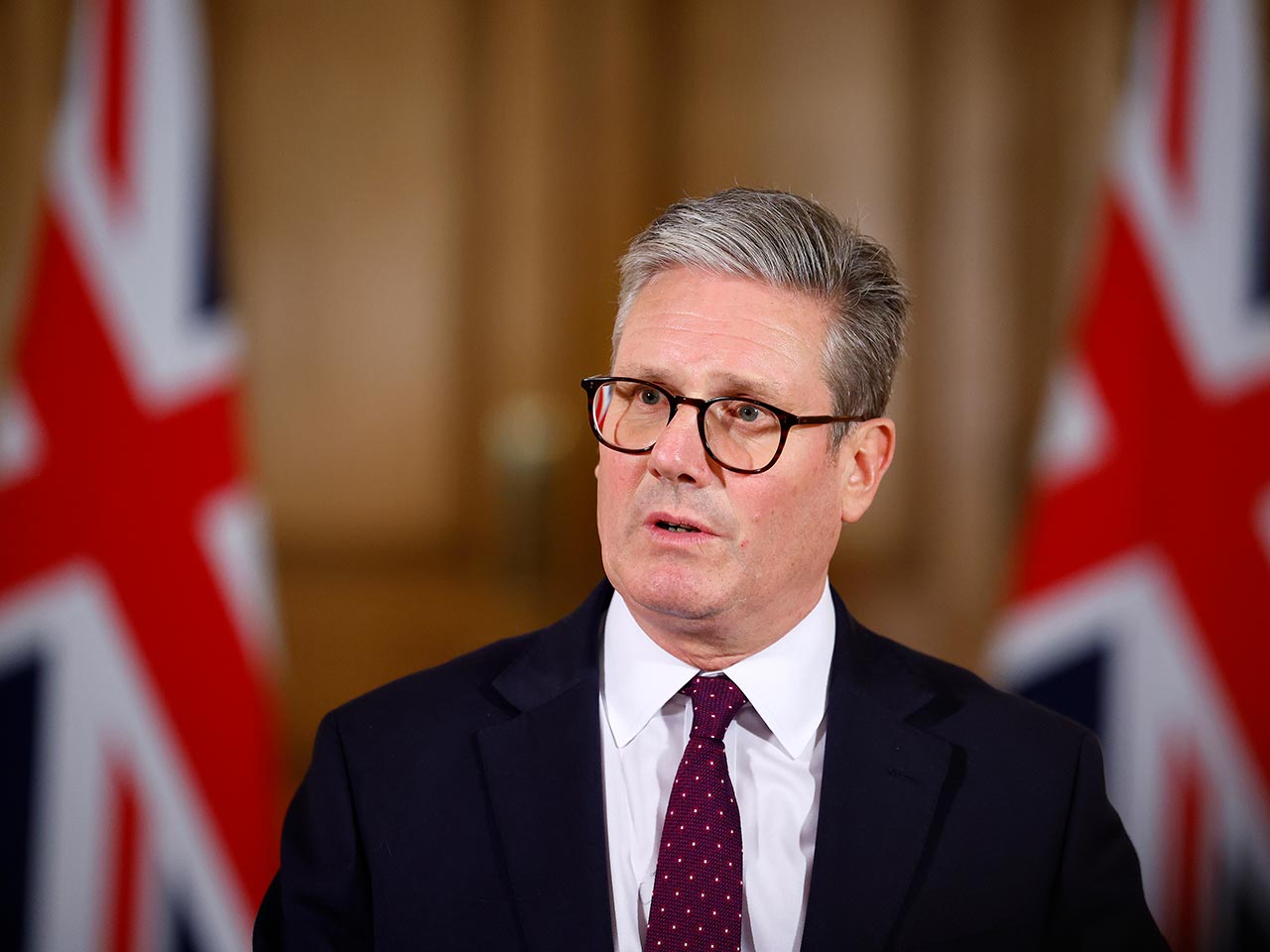
The political landscape in the United Kingdom appears set for a dramatic shake-up as Prime Minister Keir Starmer is reportedly expected to announce his resignation on Monday following mounting pressure from Labour Members of Parliament who are urging him to step aside and allow Andy Burnham to take over the leadership of the Labour Party.
The development comes after weeks of speculation and growing unrest within Labour ranks, intensified by Burnham’s successful return to Westminster through a commanding victory in the Makerfield by-election. His triumph has emboldened supporters who believe the party requires a fresh face at the helm to revive its electoral fortunes and challenge the growing influence of Reform UK.
Speaking on behalf of the government during an appearance on the BBC’s Sunday with Laura Kuenssberg programme, Business Secretary Peter Kyle declined to directly address Starmer’s future but acknowledged the increasing pressure facing the Prime Minister.
“I don’t want to come on here and be delusional that there is no process, there are no forces at work which are challenging the prime minister as leader – that is clearly the case,“ he said.
His comments represented one of the clearest indications yet from within government that discussions about Starmer’s leadership are actively unfolding behind closed doors.
For several weeks, Starmer and his allies had publicly maintained that they would resist any attempt to remove him as Labour leader. Even after Burnham’s by-election victory, Downing Street reiterated the Prime Minister’s determination to fight any leadership challenge, pointing to remarks he made to reporters on Friday in which he insisted he would not back down.
However, Kyle’s latest comments suggested that Starmer is carefully weighing his options amid the escalating political turbulence.
While admitting uncertainty about the immediate future, Kyle emphasized that the Prime Minister remained focused on protecting national interests.
“He was very mindful of the interests of the country, and in that conversation he repeatedly said to me and asked my advice on what I believe the country wanted at this moment in different circumstances.“
Although Kyle declined to reveal the advice he offered, he stressed that Labour must navigate the unfolding situation responsibly.
“We are a tight group of people, and we are now facing a period of political uncertainty, and we need to find a way to get through this that puts the country first. This is what we are trying to do.“
The Business Secretary also addressed questions regarding how a potential leadership transition should be handled. While expressing support for democratic contests where possible, he noted that maintaining party stability must remain a priority.
He further urged Labour members to avoid repeating mistakes made by the Conservative Party during its own leadership crises.
“Learn the lessons of the Tories and make sure that any change that may or may not happen is done in a functional way, and in a way that keeps the government focused on the needs of the people.“
In what many observers interpreted as a subtle warning against placing excessive expectations on Burnham, Kyle cautioned that simply replacing a leader would not automatically solve Labour’s deeper challenges.
“Whenever they saw a challenge in their party, they always thought that changing the person at the top would fix everything, and that palpably, patently, is not the case.“
Burnham’s growing momentum has become increasingly difficult to ignore. His emphatic victory in Makerfield, where he secured a majority exceeding 9,000 votes and captured more than half of all ballots cast, has transformed him into the leading contender for Labour’s top position.
Sources close to Burnham’s camp initially estimated that around 200 Labour MPs, approximately half of the parliamentary party were prepared to support his leadership bid. Since then, support is believed to have grown further, fueling speculation that he could ultimately assume the leadership without facing a formal contest.
Reports suggest that several cabinet ministers who had previously stood firmly behind Starmer privately informed him on Friday that he should determine a timetable for his departure before the end of the weekend or risk being pushed from office through coordinated action at Tuesday’s cabinet meeting.
Under Labour Party rules, any MP seeking to challenge for the leadership must secure the backing of at least 20 percent of Labour MPs, equivalent to 81 members of the parliamentary party.
Among those considering a bid is Wes Streeting, who has publicly stated his intention to pursue the leadership and claims to have enough support to qualify.
Nevertheless, allies of both Starmer and Burnham reportedly remain doubtful about the strength of his candidacy, particularly as undecided MPs increasingly appear to be rallying behind Burnham as the likely successor.
If Starmer ultimately steps down, Britain would be on course to welcome its seventh prime minister in just a decade. The prospect marks a remarkable reversal for a leader who only two years ago led Labour to a landslide general election victory, securing a commanding parliamentary majority of 174 seats.
Despite that historic triumph, Starmer’s administration has struggled to maintain public confidence. A series of controversies, policy reversals, and political setbacks, including disputes over winter fuel payments for older citizens and criticism surrounding the appointment of Peter Mandelson as the United Kingdom’s ambassador to Washington have significantly weakened his standing.
Labour’s declining poll numbers have further heightened concerns among MPs. Reform UK has reportedly led hundreds of consecutive national opinion polls, prompting fears within Labour that failure to change leadership could pave the way for Nigel Farage and Reform UK to secure victory at the next general election.
Amid the growing uncertainty, a Labour source revealed the emotional toll the situation has reportedly taken on Starmer.
“He gave everything to Labour, including sacrificing much of his children’s teenage years to help make the party electable. He feels deeply betrayed, especially by those he believed were loyal to him.“
As Westminster awaits a potentially historic announcement, all eyes are now on Downing Street, where the decisions made in the coming days could reshape not only the future of Labour but also the political direction of the United Kingdom.