
NEWS
Six Opposition Parties Push for Four-Year ‘Government of National Competence’ Ahead of 2027 Elections

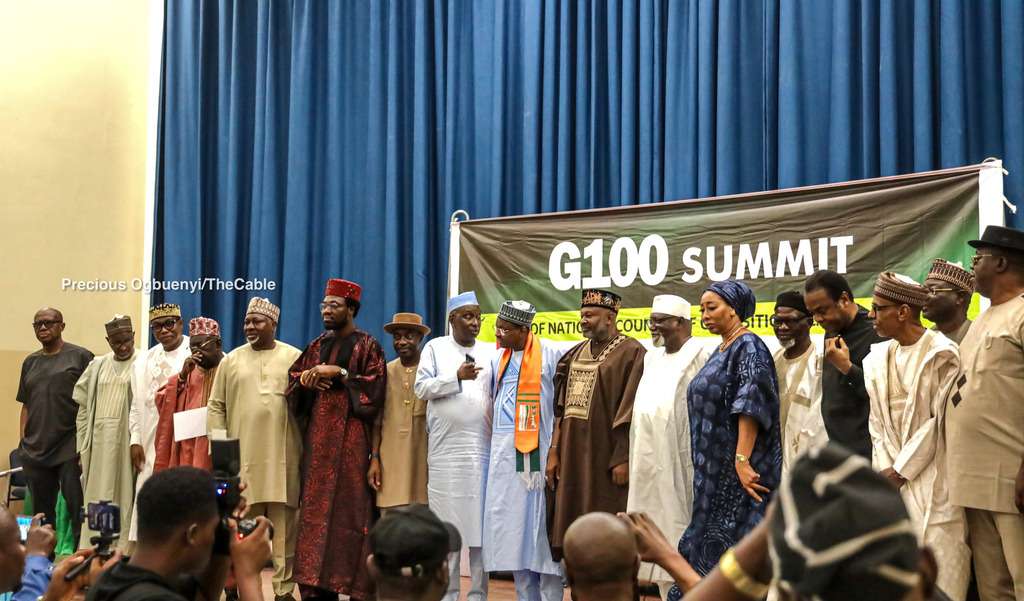
A coalition of six opposition political parties has unveiled a proposal for the establishment of a four-year transitional Government of National Competence as part of efforts to present Nigerians with a united and credible alternative ahead of the 2027 general elections.
The proposal was presented on Monday, August 31, 2026, at an opposition political parties summit organised by G100 in Abuja, bringing together representatives of the African Democratic Congress (ADC), Allied Peoples Movement (APM), Nigeria Democratic Congress (NDC), Peoples Democratic Party (PDP), Peoples Redemption Party (PRP) and Social Democratic Party (SDP).
The initiative was presented by Salihu Lukman, former National Vice-Chairman, North-West, of the All Progressives Congress (APC), who outlined a framework aimed at building cooperation among opposition parties while setting aside immediate disputes over individual candidates and party leadership.
Under the proposed arrangement, the Government of National Competence would operate for a single four-year term, with its foundation built around four key principles: competence, integrity, national inclusion and fair representation.
The coalition also proposed an enforceable transition charter designed to bind participating parties to the terms of the agreement and ensure that commitments made under the arrangement are implemented.
As part of the proposed structure, the coalition would establish a central leadership committee, alongside dedicated publicity and communication and legal committees to coordinate the initiative.
Several specialised working groups would also be created to focus on democratic renewal, the proposed single-term transition charter, national reforms, opposition unity and the process of selecting a common presidential candidate for the 2027 election.
Lukman clarified that the proposal does not seek to dissolve any of the participating political parties or compel existing presidential candidates to step down from the 2027 contest.
Instead, the immediate focus is to create a broad platform for cooperation among opposition forces before discussions on leadership arrangements and the emergence of a consensus presidential candidate.
G100, according to the organisers, is facilitating the process as a neutral platform and is not endorsing any political party or individual candidate.
The coalition’s broader ambition is to consolidate opposition forces around a common reform agenda and provide Nigerian voters with what it describes as a credible alternative government in the 2027 general elections.
With the 2027 political contest already beginning to take shape, the proposal could mark a significant development in efforts by opposition parties to overcome longstanding divisions and forge a common political platform capable of challenging the ruling establishment.