
NEWS
House of Representatives Approves President Tinubu’s $2.35 Billion Borrowing Plan and $500 Million Sovereign Sukuk to Bridge 2025 Budget Deficit and Fund Infrastructure

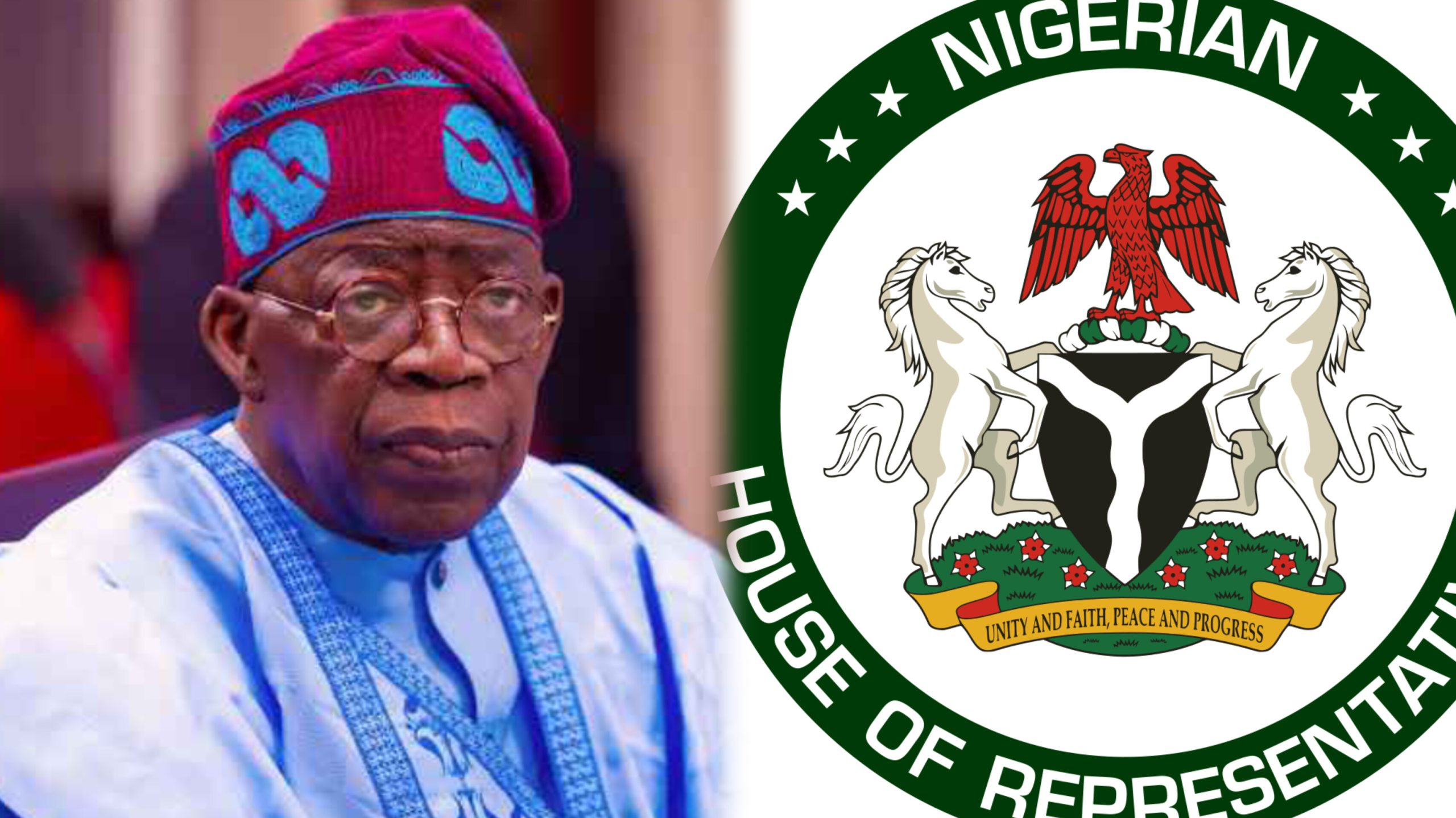
The House of Representatives has granted approval to President Bola Ahmed Tinubu’s request to secure a $2.35 billion external loan to help finance part of Nigeria’s 2025 budget deficit. The legislative endorsement, given on Wednesday, also includes the President’s proposal to float a $500 million debut sovereign sukuk in the international capital market (ICM) — a strategic move aimed at financing key national infrastructure projects and broadening the country’s funding sources.
The decision followed the consideration and adoption of the report presented by the House Committee on Aids, Loans, and Debt Management, which carefully examined the proposed borrowing plan and recommended its execution.
According to the committee’s report, the approved new external borrowing of ₦1.84 trillion (approximately $1.229 billion) calculated at the budget exchange rate of ₦1,500 to $1 will be utilized to partly fund the ₦9.28 trillion deficit captured in the 2025 Appropriation Act.
Earlier this month, President Tinubu had formally written to the House of Representatives seeking legislative consent for the Federal Government to raise $2.3 billion in external capital to support the 2025 fiscal framework.
In his communication to the lawmakers, the President detailed that the funds would be mobilized through multiple financing instruments, including Eurobonds issuance, bridge financing facilities arranged by book runners, loan syndications, and direct borrowing from international financial institutions.
Tinubu emphasized that the Federal Government’s track record with domestic Sukuk bonds has been notably successful, having financed critical infrastructural projects such as expressways, bridges, and transport corridors across the country. The proposed international Sukuk issuance is expected to extend this success to the global market, opening new avenues for foreign investment in Nigeria’s development initiatives.
The House approval comes months after the Senate endorsed President Tinubu’s 2025–2026 external borrowing plan totaling $21.5 billion, underscoring the administration’s reliance on structured external financing to drive its development agenda amid revenue constraints.
The Senate also sanctioned the issuance of a ₦757 billion Federal Government Bond to clear accrued pension arrears under the Contributory Pension Scheme (CPS) as of December 2023 part of broader fiscal reforms intended to stabilize the economy and restore confidence in government obligations.
Nigeria’s total public debt surged to ₦149.39 trillion as of March 31, 2025, reflecting a year-on-year increase of ₦27.72 trillion (22.8%) compared to ₦121.67 trillion recorded in the same period of 2024, according to the Debt Management Office (DMO).
Despite the rising debt profile, the Federal Government maintains that the borrowing plan is sustainable and strategically targeted toward high-impact sectors that will enhance economic productivity, energy sufficiency, and infrastructure expansion.
Recently, Nigeria opened discussions with China’s Export-Import Bank to secure a $2 billion loan for the construction of a new “super grid,” aimed at addressing chronic power supply challenges and stimulating industrial growth.
Additionally, the DMO successfully raised ₦1.39 trillion through domestic Sukuk issuances, which have been deployed to rehabilitate key national road networks and bridges, a model the government hopes to replicate on the global stage through the newly approved international Sukuk offering.
The approved $2.35 billion borrowing plan and the $500 million Sukuk issuance form part of a broader fiscal strategy to ensure full execution of the ₦29.5 trillion 2025 national budget, which faces significant revenue shortfalls due to global economic pressures and declining oil production.
Analysts believe the approval signals the legislature’s confidence in the Tinubu administration’s fiscal direction and its commitment to infrastructure-driven growth, even as concerns persist over Nigeria’s rising debt service burden and exchange rate volatility.
With both chambers of the National Assembly now aligned on the borrowing framework, the Federal Government is expected to proceed swiftly with international engagements and financial arrangements to actualize the loans and bond issuances in the coming months.