
NEWS
Revenue Reality Check: Finance Minister, Wale Edun, Contradicts Tinubu’s 2025 Revenue Target Claim, Reveals ₦30 Trillion Shortfall and Fresh Borrowing Concerns

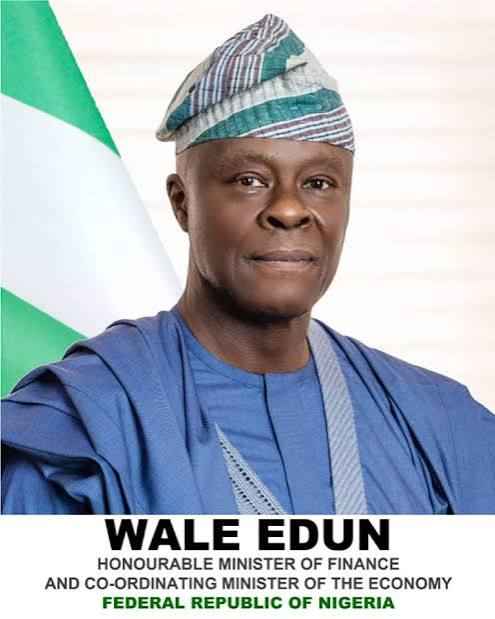
The Minister of Finance and Coordinating Minister of the Economy, Wale Edun, has presented figures that sharply contradict President Bola Ahmed Tinubu’s earlier claim that Nigeria had met its 2025 revenue target ahead of schedule, disclosing that only ₦10.7 trillion has so far been realised out of the projected ₦40.8 trillion.
President Tinubu had earlier assured Nigerians that his administration had successfully met the 2025 revenue projections, insisting that the country was no longer dependent on borrowing to fund its budget. The President made the declaration while addressing stakeholders of the Buhari Organisation during a courtesy visit to him at the Presidential Villa, Abuja.
In his remarks at the time, Tinubu attributed the claimed revenue success to his administration’s aggressive non-oil revenue drive, stating that the strategy had yielded sufficient inflows to meet annual projections by August, thereby reducing Nigeria’s reliance on external loans.
“Today I can stand here before you to brag: Nigeria is not borrowing. We have met our revenue target for the year and we met it in August,” Tinubu had said in September.
However, the Finance Minister’s latest disclosure paints a contrasting picture of the country’s fiscal position. Speaking on Tuesday during an interactive session with the House of Representatives Committees on Finance and National Planning, Edun revealed that the federal government is grappling with a significant revenue shortfall in the 2025 fiscal year, raising renewed concerns about the sustainability of Nigeria’s public finances.
The session was convened to deliberate on the 2026–2028 Medium Term Expenditure Framework (MTEF) and the Fiscal Strategy Paper (FSP), following their formal transmission to the House by President Tinubu last Wednesday for legislative consideration and approval.
According to Edun, the federal government had projected ₦40.8 trillion in revenue for 2025 to fund the ₦54.9 trillion “budget of restoration,” a spending plan designed to stabilise the economy, secure peace, and rebuild prosperity.
However, he disclosed that actual revenue performance has fallen far below expectations.
Providing a breakdown, the minister stated that total inflows for the year are now projected to close at approximately ₦10.7 trillion, representing barely a fraction of the original target.
Edun said, “The current trajectory indicates that federal revenues for the full year will likely end at around ₦10.7 trillion, compared with the ₦40.8 trillion that was projected.”
He attributed the massive shortfall largely to weak oil and gas revenues, pointing specifically to lower-than-expected collections from Petroleum Profit Tax as well as Company Income Tax paid by oil and gas firms. The minister further noted that several non-oil revenue subheads also underperformed, compounding the fiscal strain on government finances.
In a further revelation, Edun disclosed that despite earlier assurances of reduced borrowing, the federal government had borrowed about ₦14.1 trillion within the year to bridge the funding gap created by the revenue shortfall.
The disclosure has reignited debate over Nigeria’s fiscal projections, revenue assumptions, and the credibility of official economic narratives, as lawmakers and stakeholders scrutinise the implications for future budgets, debt sustainability, and the overall economic reform agenda of the Tinubu administration.