
ECONOMY
NMDPRA Chief, Farouk Ahmed, Resigns Amid Dangote Corruption Allegations as Tinubu Nominates New CEOs for Key Petroleum Regulatory Agencies

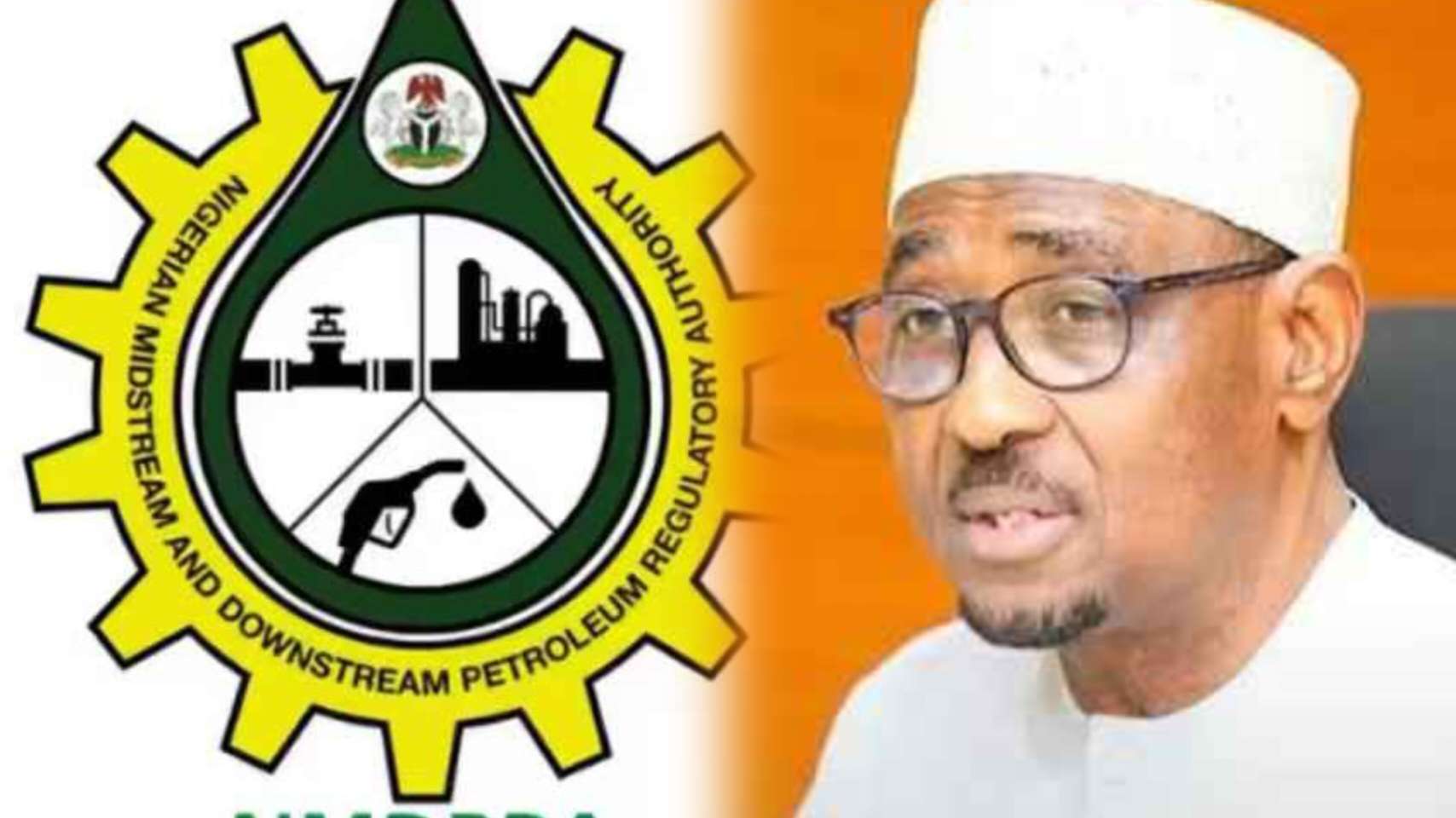
Farouk Ahmed, the Chief Executive Officer of the Nigerian Midstream and Downstream Petroleum Regulatory Authority (NMDPRA), has tendered his resignation, marking a dramatic turn in the leadership of Nigeria’s oil and gas regulatory sector.
The development is coming barely 24 hours after serious allegations of corruption were leveled against him by Aliko Dangote, President and Chief Executive Officer of Dangote Industries Limited, sparking widespread public discourse and intense scrutiny within the energy industry.
In a related development, Gbenga Komolafe, the Chief Executive of the Nigerian Upstream Petroleum Regulatory Commission (NUPRC), has also resigned, creating a simultaneous leadership vacuum in the two most strategic regulatory agencies overseeing Nigeria’s petroleum sector.
Confirming the twin resignations, Presidential spokesman, Bayo Onanuga, announced the development in a statement issued on Wednesday. He disclosed that President Bola Ahmed Tinubu has already taken decisive steps to ensure continuity and stability in the sector by nominating replacements for the affected offices.
According to Bayo, President Tinubu has formally written to the Senate, requesting the approval of new chief executives to head both the NMDPRA and the NUPRC.
“To fill these positions, President Tinubu has written to the Senate, requesting expedited confirmation of Oritsemeyiwa Amanorisewo Eyesan as CEO of NUPRC and Engineer Saidu Aliyu Mohammed as CEO of NMDPRA.
“The two nominees are seasoned professionals in the oil and gas industry,” Bayo said.
The swift response by the presidency underscores the administration’s resolve to maintain regulatory stability, restore public confidence, and sustain reforms in Nigeria’s vital oil and gas sector, especially at a time when the industry remains central to the nation’s economic recovery and revenue generation.
As the Senate prepares to consider the nominations, industry stakeholders and observers will be watching closely to see how the unfolding events reshape governance, transparency, and accountability within Nigeria’s petroleum regulatory framework.