
CRIME
Donald Trump Issues Strong Warning to Colombian President, Gustavo Petro, Accuses Him of Hostility Toward U.S. and Links to Drug Trafficking

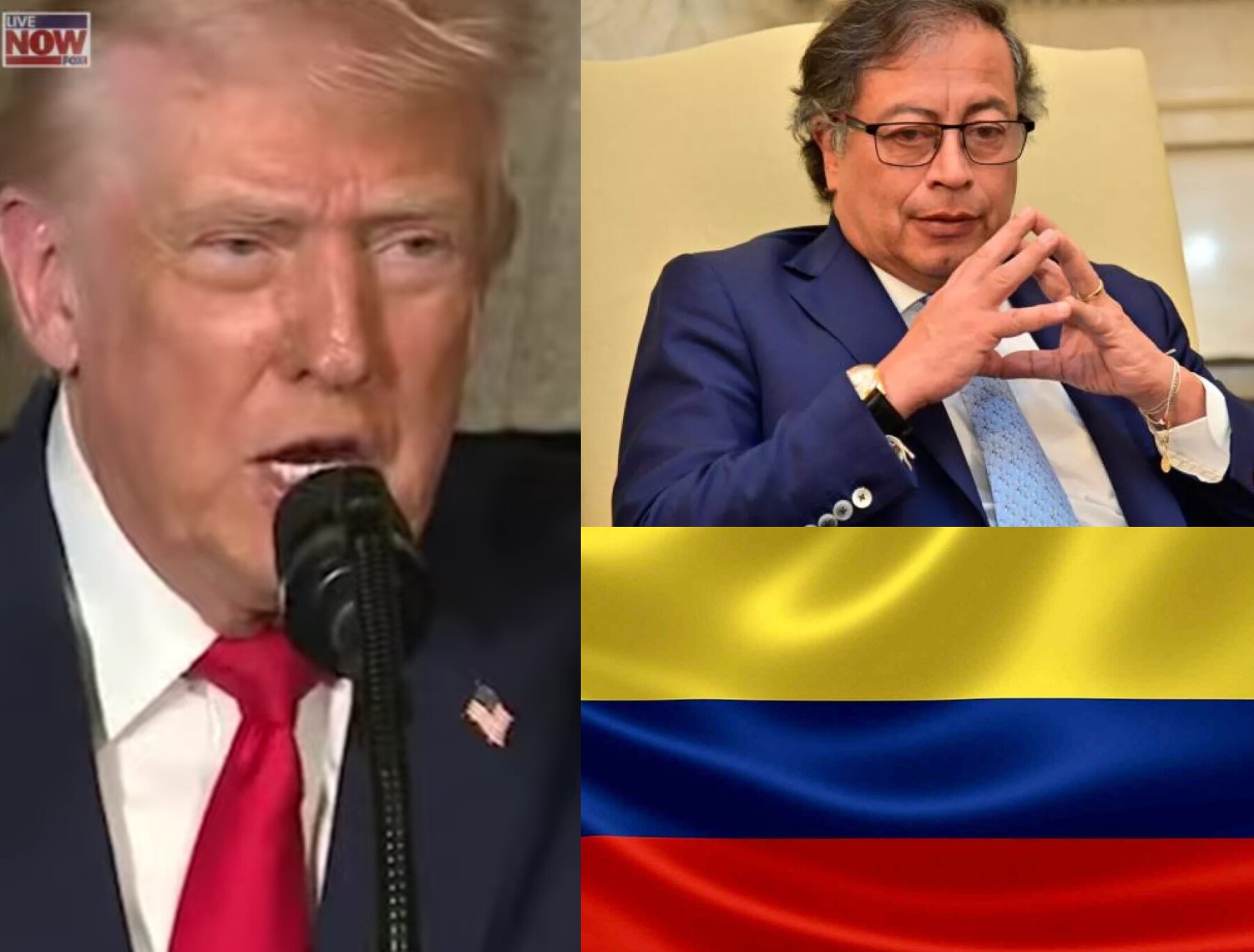
The President of the United States of America, Donald Trump, has issued a stern and controversial warning to the President of Colombia, Gustavo Petro, in comments that have sparked diplomatic attention and renewed debate over U.S.–Colombia relations and the global fight against drug trafficking.
Speaking pointedly, President Trump openly criticized President Petro, portraying him as an adversary rather than an ally of the United States. His remarks suggest deep dissatisfaction with Colombia’s current leadership and its approach to combating the production and trafficking of cocaine, a long-standing issue between the two countries.
Trump accused the Colombian leader of presiding over a system that enables the production and export of cocaine into the United States, an allegation that strikes at the core of bilateral cooperation on security and narcotics control. The comments underline Trump’s long-held hardline stance on drugs and foreign governments he believes are not doing enough to stop the flow of illicit substances into American communities.
In his words, Trump said, “He is a bad guy, he is not a friend of the United States. He’s making cocaine. They’re sending it into the United States — so he does have to watch his ass.”
The blunt statement reflects Trump’s characteristic direct style and signals potential strain or escalation in diplomatic relations if such concerns are not addressed. Historically, the United States and Colombia have been strategic partners, particularly through joint security initiatives aimed at dismantling drug cartels and reducing cocaine production.
Trump’s warning is likely to attract reactions from Colombian authorities, international observers, and policy analysts, especially as it touches on sensitive issues of sovereignty, accountability, and shared responsibility in combating transnational crime.
As discussions continue, the remarks have once again brought global attention to the challenges of drug trafficking in Latin America and the complex political relationships that shape international efforts to address it.