
NEWS
Nigeria Tops Africa’s Naval Power Rankings in 2026, Emerges as Continent’s Largest Maritime Force with 152 Warships and Global 22nd Position

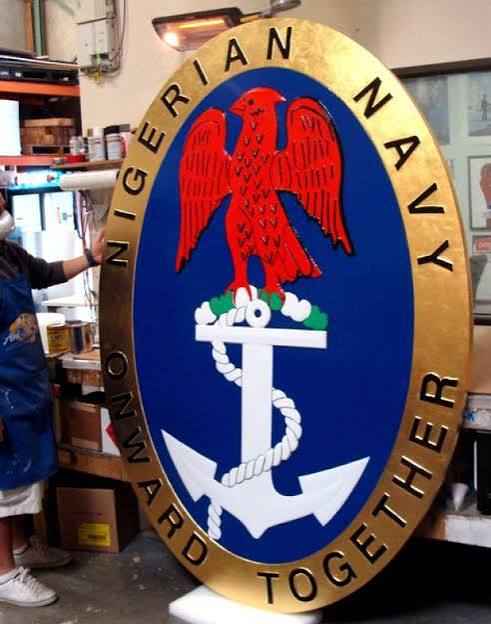
Nigeria has been confirmed as the African country with the strongest naval fleet in 2026, consolidating its position as the continent’s leading maritime power with a formidable inventory of 152 naval vessels and a 22nd-place ranking worldwide.
The ranking is contained in the latest Global Firepower (GF) report, a respected annual assessment that analyzes the military strength and capabilities of 145 modern armed forces across the globe. The report highlights Nigeria’s expanding naval capacity as a major pillar of its national defense architecture and a key instrument in safeguarding its vast maritime domain.
According to the report, Nigeria’s naval fleet is made up of a combination of frigates, patrol vessels, and mine warfare ships, structured to address both conventional naval tasks and complex maritime security challenges. Collectively, the fleet has a total displacement of 38,052 tonnes, reflecting substantial investment in platforms designed for coastal defense, offshore patrol, and inland waterway operations.
Nigeria’s strategic maritime environment plays a crucial role in shaping the composition of its navy. With an estimated 853 kilometres of coastline and about 8,600 kilometres of inland waterways, the country relies heavily on naval assets to secure its territorial waters, protect economic assets, and support national security objectives. The fleet is tasked with combating piracy, sea robbery, illegal bunkering, arms trafficking, smuggling, and other transnational maritime crimes, while also ensuring the safety of shipping lanes and offshore installations.
A closer look at the data shows that patrol vessels dominate Nigeria’s naval inventory, accounting for 132 units, which represents approximately 97.8 percent of the entire fleet. These vessels include offshore patrol boats, fast-attack craft, gunboats, and missile boats, many of which are optimized for shallow-water and littoral operations. This heavy emphasis on patrol platforms underscores Nigeria’s strategic focus on maritime security, rapid response, and persistent presence in its coastal and inland waters.
Beyond patrol vessels, Nigeria operates a single frigate capable of blue-water operations. This platform enhances the navy’s ability to undertake extended missions, support rotary-wing aircraft, and participate in multinational maritime operations. In addition, the fleet includes two mine warfare vessels, deployed to detect and neutralize naval mines and to secure critical waterways and port approaches.
The report also notes that Nigeria does not currently operate submarines, destroyers, aircraft carriers, helicopter carriers, or corvettes. Rather than pursuing a balanced high-end fleet structure, Nigeria’s naval development model reflects a deliberate emphasis on deterrence, maritime policing, and protection of sea-based economic activities.
Across the rest of Africa, several countries maintain notable naval forces, though none surpass Nigeria in total vessel numbers. Egypt ranks second on the continent with 149 vessels, placing it 23rd globally, while Algeria follows with 111 vessels and a global ranking of 34th. Morocco operates 100 vessels, and South Africa maintains a fleet of 63.
Further down the list, Tunisia fields 37 vessels, Mozambique 36, and Angola 32. Kenya and Eritrea occupy the ninth and tenth positions in Africa, operating 27 and 23 vessels respectively.
Collectively, these fleets contribute to regional maritime security through patrols of territorial waters, counter-smuggling operations, anti-piracy efforts, and the protection of vital sea lines of communication. However, Nigeria’s clear lead in fleet size reinforces its status as Africa’s foremost naval power and a central actor in shaping maritime security across the Gulf of Guinea and beyond.
With continued modernization and operational focus, Nigeria’s navy remains positioned as a critical force in defending national sovereignty, supporting economic stability, and enhancing regional security cooperation in
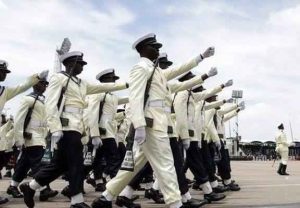 African waters.