
NEWS
Chinese Embassy in Nigeria Rejects ‘Completely Baseless’ Allegations by U.S Lawmakers, Denies Sponsoring Illegal Mining and Funding Militias in Nigeria

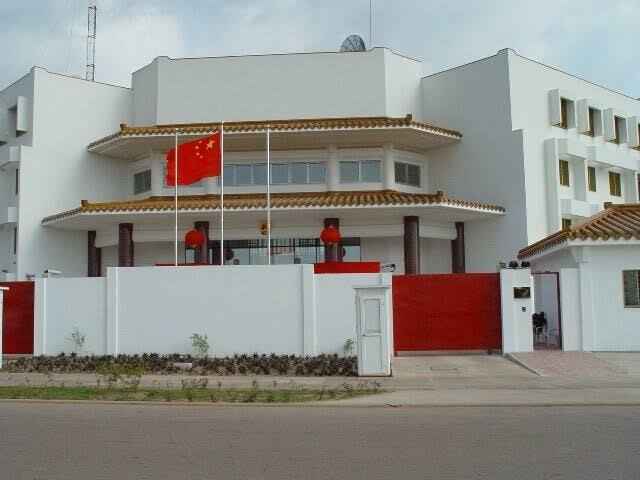
The Government of the People’s Republic of China has strongly rejected allegations by five members of the United States Congress accusing it of sponsoring illegal mining activities and funding militant groups in Nigeria, describing the claims as “completely baseless.”
In a detailed statement issued on Thursday, the Chinese embassy in Nigeria expressed deep dissatisfaction over what it termed “false accusations” made by the American lawmakers concerning Chinese mining operations in the country.
The embassy also dismissed claims that China was allegedly funding radical Islamic groups and ethnic militias to secure its mining interests by “paying protection money to specific militias.”
“We express our firm opposition and strong dissatisfaction, and request that the relevant media immediately cease spreading such false information,” the statement read in part.
The embassy emphasized that the Chinese government mandates all its nationals and companies operating abroad to strictly comply with the laws and regulations of host countries, including Nigeria’s mining framework.
It stressed that China maintains “zero tolerance for mining companies involved in any illegal activities.”
According to the statement, “The overwhelming majority of Chinese mining companies in Nigeria have set an exemplary record of compliance with Nigerian laws and regulations.
“They actively give back to local communities, fulfill their social responsibilities, protect the natural environment, and have made positive contributions to deepening bilateral mining cooperation, supporting local economic development, and creating employment opportunities,” it declared.
The diplomatic mission further reiterated that Chinese firms contribute positively to Nigeria’s economic development through job creation, community engagement, and environmental responsibility.
PREMIUM TIMES reports that China’s reaction followed allegations of illegal mining contained in a bill presented to the US Congress by five Republican lawmakers.
The proposed legislation, titled “Nigeria Religious Freedom and Accountability Act of 2026,” links alleged Chinese illegal mining activities to terrorism financing in Nigeria.
The bill was sponsored by Representatives Riley Moore, Chris Smith, Bill Huizenga, Brian Mast, and Mario Diaz-Balart.
According to the sponsors, the bill aims to address what they described as ongoing religious persecution and mass atrocities in Nigeria. They alleged that Chinese nationals involved in “illegal mining” operations are paying terrorists for protection.
“The Secretary of State should work with the Government of Nigeria to counteract the hostile foreign exploitation of Chinese illegal mining operations and their destabilising practice of paying protection money to Fulani militias,” the five lawmakers stated in their bill.
The legislation further alleges that militant groups have carried out organised attacks on civilian communities, particularly in Nigeria’s Middle Belt region, and claims that Chinese illegal mining operations are fueling religious violence that has resulted in the deaths of thousands of Christians.
“These militias have conducted attacks involving targeted killings, hostage-taking, hijackings, armed assaults, massacres of civilians, destruction of property, and forced displacement of the local population.”
Two of the sponsors, Mr Moore and Mr Smith, have previously advanced the Christian genocide narrative regarding Nigeria and have commended former US President Donald Trump for designating Nigeria as a Country of Particular Concern (CPC).
Responding to the accusations, the Chinese embassy maintained that most Chinese mining firms in Nigeria operate lawfully and responsibly.
It reiterated that “mining companies actively give back to local communities, and fulfill their social responsibilities, protect the natural environment, and have made positive contributions to deepening bilateral mining cooperation, supporting local economic development, and creating employment opportunities.”
The statement further underscored China’s respect for Nigeria’s sovereignty and its commitment to lawful cooperation.
“The Chinese side has always respected Nigeria’s sovereignty and supports Nigeria’s efforts to strengthen mining governance in accordance with law and regulations.
“The Chinese Embassy maintains close communication and cooperation with relevant Nigerian authorities at all times. It must be emphasised that Chinese mining enterprises in Nigeria are victims of terrorist activities.
They have consistently supported and are willing to cooperate with the Nigerian government’s efforts to safeguard national security.
“The Chinese side stands ready to work together with Nigeria to strengthen mining cooperation and governance further, promote the healthy, orderly, and sustainable development of China-Nigeria mining cooperation, safeguard the legitimate rights and interests of enterprises from both sides, and bring benefits to the peoples of both countries.”
Meanwhile, PREMIUM TIMES earlier reported that allegations of Chinese nationals paying money to armed groups for protection are not entirely new.
A study conducted by SBM Intelligence, a Lagos-based research consultancy and strategic intelligence firm, reportedly detailed instances where Chinese companies allegedly bribed terrorist groups in parts of Nigeria to gain access to mining sites.
The firm shared its findings with The Times, including videos said to show militant leaders boasting of their influence, claiming Chinese miners operating in their territories were required to pay “rent.”
In addition, an investigation by WikkiTimes, a grassroots newspaper based in Bauchi State, alleged that Chinese-affiliated miners paid bribes to the terror faction of Dogo Gide to secure access to mining sites in Shiroro Local Government Area of Niger State.
As the controversy unfolds, the diplomatic exchange highlights the growing intersection of global geopolitics, security concerns, and Nigeria’s vast but contested mining sector.