
NEWS
Sunday Igboho Sparks Nationwide Debate by Declaring Himself a Christian Who Practices Traditional Spirituality

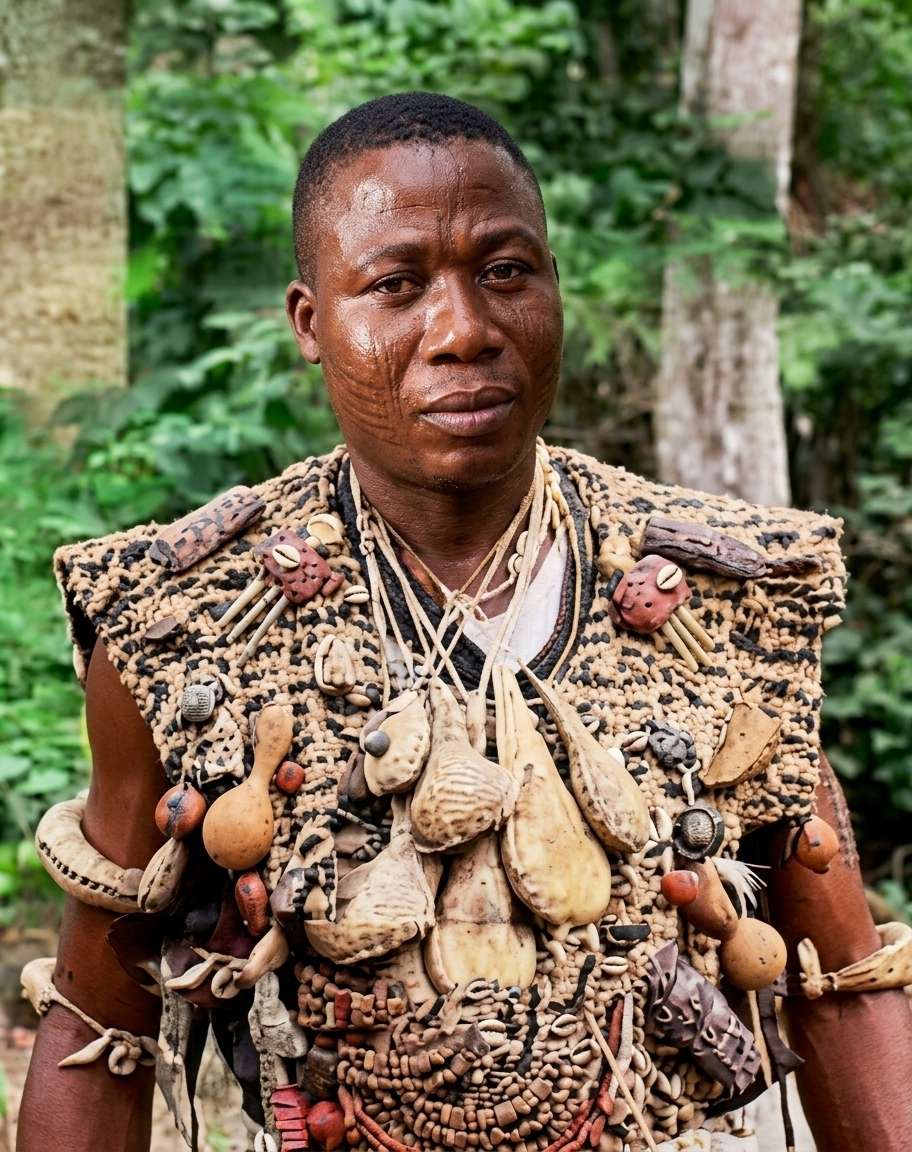
Yoruba nation agitator, Sunday Adeyemo, widely known as Sunday Igboho, has ignited a wave of discussions across Nigeria after publicly revealing that he identifies as a Christian while actively practicing traditional spirituality, including the use of charms.
In a viral video currently circulating on social media, Igboho addressed a gathering of traditional rulers, speaking openly about his faith, upbringing, and spiritual heritage. Eyes Of Lagos reports that the activist’s remarks were candid, unapologetic, and deeply personal.
According to Igboho, identifying as a Christian does not preclude him from engaging in traditional religious practices. He highlighted his dual spiritual exposure by referencing his father, Muideen Ajayi Bello, a prominent Muslim, and his own early training in the use of charms, inherited from his father, a renowned babalawo (Ifa priest) in Modakeke, Osun State.
Born in Igboho, a historic town in the Oke-Ogun area of Oyo State, Igboho recounted that his family later moved to Modakeke, where he was raised amidst traditional religious teachings. His upbringing, he explained, allowed him to navigate both Christian and indigenous spiritual practices simultaneously.
The revelation has sparked intense debates on social media. Supporters have lauded Igboho for his honesty, viewing his remarks as a reflection of cultural pride and religious tolerance. Critics, however, questioned the compatibility of Christianity with the active practice of traditional spirituality, raising broader concerns about faith, morality, and identity in modern Nigeria.
Observers note that Igboho’s comments have reignited long-standing conversations about the intersection of religion and cultural heritage in the South-West, a region where Christianity, Islam, and indigenous beliefs often coexist and interact in complex ways.
As discussions continue, Sunday Igboho’s latest declaration has once again placed him at the centre of national discourse, highlighting the nuanced and sometimes contentious relationship between faith, tradition, and personal identity in contemporary Nigeria.