
NEWS
Putin and Pezeshkian Hold Strategic Call Amid Middle East Conflict, Russia Pushes for Ceasefire While Providing Tehran With Intelligence Support

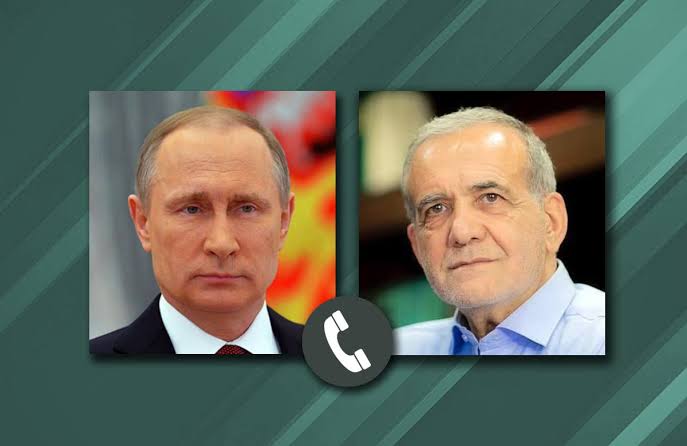
In a high-level diplomatic engagement on Friday, March 6, 2026, Russian President Vladimir Putin held a critical phone conversation with Iranian President Masoud Pezeshkian to discuss the escalating conflict in the Middle East, according to an official Kremlin statement reported by Sky News.
During the call, President Putin reiterated Russia’s insistence on an immediate ceasefire and underscored the necessity of a “political and diplomatic resolution” to the hostilities, emphasizing Moscow’s continued push for negotiations aimed at de-escalating regional tensions.
The dialogue comes amid reports that Russia has supplied Tehran with intelligence believed to support potential strikes against U.S. forces in the region. While Iran remains a key Russian ally, analysts caution that Moscow appears determined to limit direct involvement, balancing strategic support with caution to avoid direct confrontation with the United States.
Moscow correspondent Ivor Bennett noted that Russia’s ongoing military operations in Ukraine remain a primary focus, making it imperative for Kremlin policymakers to navigate carefully in the Middle East. Russia’s approach reflects an attempt to preserve its geopolitical influence while preventing further escalation with Washington, especially under the Trump administration’s hardline stance toward Iran.
President Pezeshkian expressed gratitude for Moscow’s support during the call and provided an update on the latest developments in the regional conflict. Although the Kremlin statement omitted operational specifics, it confirmed that both leaders engaged in an in-depth discussion and reaffirmed the strategic partnership between their countries.
Experts highlight that this exchange underscores Russia’s preference for indirect engagement, offering diplomatic and intelligence backing rather than committing troops or initiating direct military action. The conversation also signals a mutual commitment to sustained communication, with the potential for coordinated diplomatic and security measures as the crisis evolves.
This phone call represents the latest effort by allied powers to manage a highly volatile regional conflict, balancing military support, international diplomacy, and political messaging, all while projecting solidarity between Moscow and Tehran.