
NEWS
Strait of Hormuz Declared Open by Iran Amid U.S. Naval Blockade Tensions as Global Oil Markets Swing on Fragile De-escalation Signals

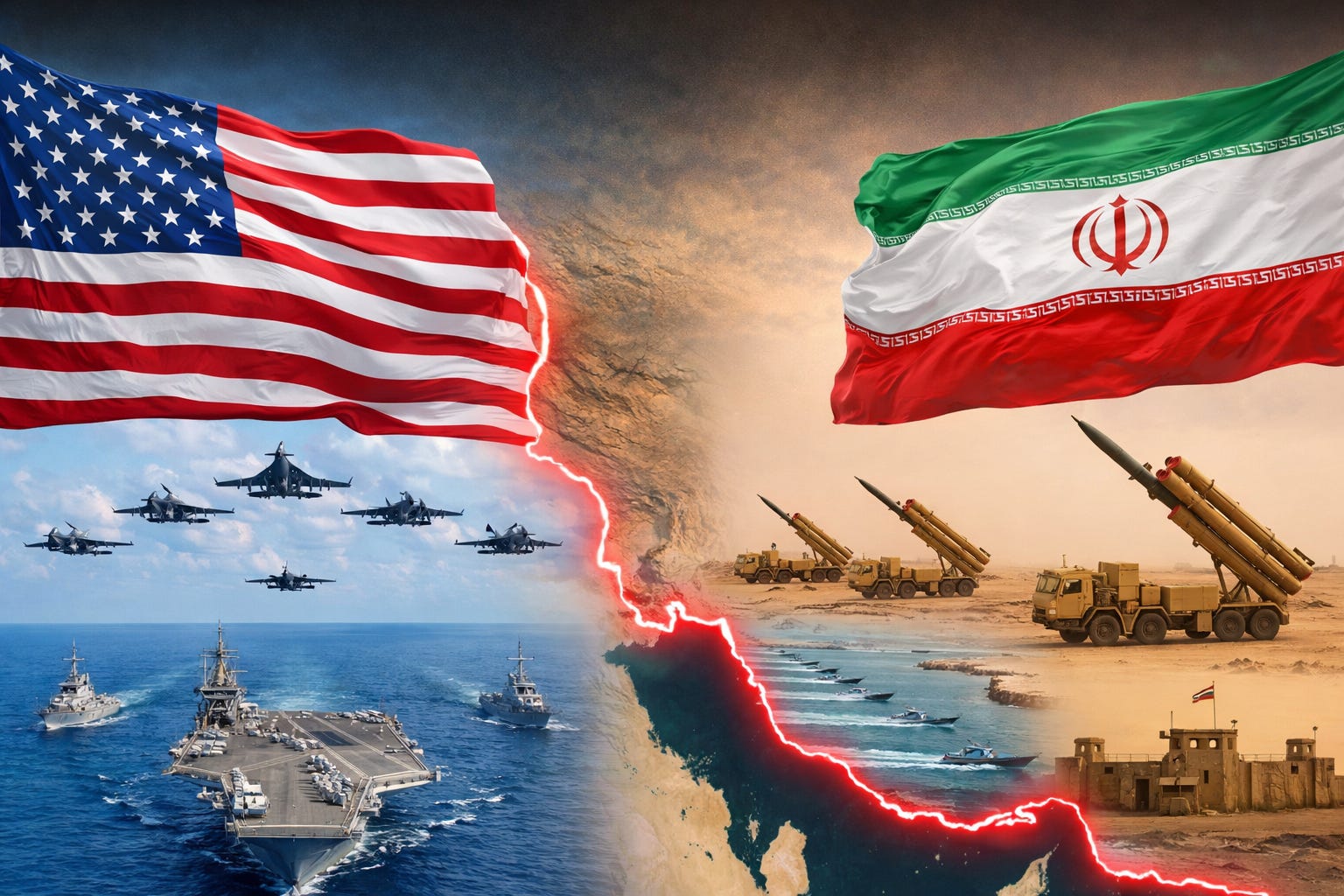
…Iran says, “But Trump Says US Blockade Still Active“
Tensions in the Gulf region have taken a complex turn after Iran announced that the strategically critical Strait of Hormuz has been reopened to commercial shipping, even as the United States maintains its naval blockade on Iranian maritime activity, underscoring an uneasy and incomplete de-escalation between both sides.
Iran’s Foreign Minister confirmed on April 17, 2026, that the Strait of Hormuz, a vital global oil transit chokepoint was fully open to vessel movement following a ceasefire arrangement involving Israel and Lebanon. The announcement was widely interpreted as a signal of temporary regional stabilization, immediately triggering a downward shift in global oil prices as traders reacted to expectations of improved supply flows through one of the world’s most important shipping corridors.
The Strait of Hormuz, a narrow maritime passage connecting the Persian Gulf to the Arabian Sea, is responsible for a significant share of global oil exports. Any disruption in its operations typically sends shockwaves through energy markets, making its status a key indicator of geopolitical stability in the Middle East.
However, the apparent easing of maritime restrictions was quickly countered by clarification from U.S. President Donald Trump, who stated that although the strait may be open for navigation, U.S. naval forces would continue enforcing a blockade targeting Iranian ports and vessels until a broader political agreement with Tehran is reached.
The blockade, which was imposed earlier in April following the breakdown of peace negotiations, is designed to restrict maritime movement into and out of Iranian ports. It remains a central pressure mechanism in Washington’s strategy toward Tehran, aimed at compelling further concessions in ongoing diplomatic discussions.
This conflicting situation has created widespread uncertainty across global shipping routes and energy markets. While Iran insists that commercial vessels are free to transit the strait, the continued presence of U.S. naval assets and enforcement operations has raised serious concerns among shipping companies, insurers, and energy traders about security risks and operational reliability in the region.
Analysts caution that despite the political announcement of reopening, actual maritime traffic is unlikely to normalize in the short term. Elevated risk premiums, insurance restrictions, and the threat of sudden enforcement actions continue to discourage full-scale commercial recovery through the waterway.
Adding to the uncertainty, Iranian officials have warned that access through the strait could be reconsidered if the U.S. blockade remains in place, raising fears of renewed escalation. Early shipping reports already indicate inconsistent passage permissions and fluctuating operational conditions for vessels attempting to navigate the corridor.
For now, the situation remains delicately balanced between partial de-escalation and ongoing confrontation. While the reopening announcement offers temporary relief to global markets, the persistence of the U.S. blockade signals that the broader geopolitical dispute between Tehran and Washington remains unresolved, leaving international trade and energy stability exposed to renewed volatility.