
NEWS
New NIMC Act 2026 Reshapes Identity, Passport Services for Nigerians in the Diaspora

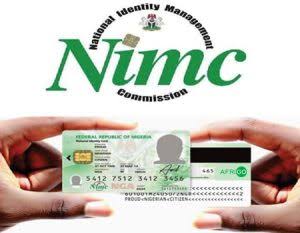
— What Every Nigerian Living Abroad Needs To Know About NIN
The newly signed National Identity Management Commission (NIMC) Act 2026 is set to transform how millions of Nigerians living abroad access identity-related services, introducing far-reaching reforms that make the National Identification Number (NIN) central to virtually every government and financial transaction.
Signed into law by President Bola Ahmed Tinubu, the legislation repeals the 2007 NIMC Act and establishes a stronger legal framework for Nigeria’s national identity system. The new law strengthens identity management, mandates the integration of databases across government institutions, enhances data protection, and imposes tougher penalties for identity-related offences.
For Nigerians residing in countries such as the United Kingdom, Canada, the United States, the United Arab Emirates, Australia, and other parts of the world, the Act introduces significant changes that will affect passport applications, banking, property ownership, and access to government services.
Easier Access to NIN Registration Abroad:-
One of the major reforms under the new law is the planned expansion of NIN enrolment services outside Nigeria.
For years, many Nigerians in the diaspora have faced challenges obtaining their NIN due to the limited number of enrolment centres, long processing times, and dependence on third-party service providers.
The new Act empowers the National Identity Management Commission to partner with accredited international organisations, paving the way for the establishment of more certified enrolment centres overseas, faster registration processes, and improved identity services through Nigerian embassies and consulates.
Although implementation will take time, the legal backing for expanding global enrolment has now been firmly established.
NIN Now Mandatory for Key Services:-
The legislation also elevates the NIN from an administrative requirement to a compulsory legal identity credential.
Under the new framework, Nigerians will be required to possess a verified NIN to access several essential services, including passport applications and renewals, immigration services, banking operations, consumer credit facilities, land registration, property transactions, investments, tax payments, and pension-related services.
Failure to obtain or properly link a valid NIN could prevent individuals from accessing these critical services.
Integrated Databases to Improve Passport Processing:-
Another major highlight of the Act is the integration of identity databases across government agencies.
The law mandates the harmonisation of records between the NIMC and at least 14 federal institutions, including the Nigeria Immigration Service, the Ministry of Interior, the Central Bank of Nigeria, and various security agencies.
The integration is expected to reduce verification delays, eliminate discrepancies in identity records, and make passport renewals and other identity verification processes faster for Nigerians both at home and abroad.
Introduction of a General Multipurpose Identity Card:-
The Act also provides for the introduction of the General Multipurpose Card (GMPC), a unified identity card designed to replace the need for multiple government-issued identification documents.
The card is expected to simplify identity verification for government and commercial transactions while offering Nigerians in the diaspora a more convenient physical and digital means of proving their identity.
Stronger Data Privacy Protection:-
As Nigeria moves towards a more integrated digital identity ecosystem, the new law introduces stronger safeguards for personal information.
It stipulates that personal identity data cannot be accessed by third parties, private organisations, or government institutions without the explicit consent of the individual concerned.
The legislation further provides that personal information can only be used for the specific purpose for which it was collected, while any unauthorised access by government agencies must follow due legal process.
Tougher Punishment for Identity Fraud:-
To protect the integrity of the national identity database, the Act prescribes stiffer penalties for identity-related offences.
Individuals found guilty of identity theft, impersonation, or multiple registrations under different identities now face a minimum prison sentence of five years.
Corporate organisations, institutions, or agencies that unlawfully disclose, misuse, or trade citizens’ identity information risk fines of up to ₦20 million.
Digital Identity to Drive Online Government Service:-
The legislation also positions the NIMC as Nigeria’s Root Certification Authority for the country’s National Public Key Infrastructure (PKI).
This development is expected to strengthen digital authentication and enable secure electronic signatures, online identity verification, and encrypted government transactions.
In the long term, Nigerians living abroad are expected to benefit from the ability to securely sign official documents, authenticate certificates, and access digital government services remotely without travelling to Nigeria for physical verification.
What Nigerians Abroad Should Do:-
With the new law now in force, Nigerians in the diaspora are advised to obtain their NIN if they have not already done so and ensure that the information on their NIN, Bank Verification Number (BVN), and international passport matches exactly.
They are also encouraged to safeguard their NIN by avoiding unverified agents offering unofficial services and to monitor announcements from Nigerian embassies and consulates regarding new accredited enrolment centres and implementation guidelines.
A New Era for Nigeria’s Digital Identity System:-
The NIMC Act 2026 marks one of the most comprehensive reforms of Nigeria’s identity management framework in nearly two decades.
By making the NIN the foundation of public administration, financial services, and digital governance, the legislation is expected to simplify access to government services while strengthening national security and combating identity fraud.
For Nigerians living abroad, maintaining an active, accurate, and secure NIN has now become essential to ensuring uninterrupted access to passports, banking, investments, and a growing range of digital public services.