
NEWS
U.S Escalates Campaign Against ICC, Sanctions Court President and Senior Prosecutor

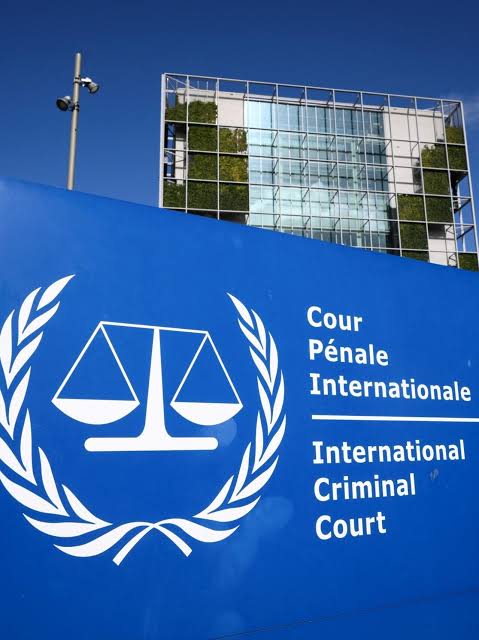
The United States has intensified its confrontation with the International Criminal Court (ICC), imposing fresh sanctions on the court’s President, Tomoko Akane, and senior trial lawyer Abdoulaye Seye in a move that signals a major escalation in Washington’s campaign against the global judicial institution.
The new punitive measures were announced on Tuesday by U.S Secretary of State, Marco Rubio, who accused the targeted ICC officials of attempting to investigate, arrest or prosecute individuals from governments that have not accepted the court’s jurisdiction.
The decision immediately triggered a strong reaction from the International Criminal Court, which condemned the sanctions as another attempt to weaken the institution and interfere with its judicial independence.
In a swift response, the court declared that it would not be intimidated or forced away from its mandate despite the growing pressure from Washington.
“The Court remains undeterred and stands firmly behind its personnel and behind victims of unimaginable atrocities.
“The Court will continue to fully discharge its mandate with independence and impartiality, in full accordance with the Rome Statute and in the interest of victims of international crimes,“ the court said in a statement.
The sanctions represent a significant new chapter in the increasingly hostile relationship between the Trump administration and the Hague-based court.
Washington has long opposed attempts by the ICC to investigate actions involving the United States and Israel, neither of which is a member state of the court.
However, tensions have become even more intense following the ICC’s actions against Israeli officials, including the issuance of arrest warrants connected to military operations in Gaza involving Israeli Prime Minister Benjamin Netanyahu.
The Trump administration has increasingly portrayed the court as a threat to American sovereignty and the interests of allied governments that are not parties to the Rome Statute.
Last month, Rubio reportedly launched a broader State Department-led campaign aimed at systematically dismantling the institution. The campaign has since expanded beyond direct sanctions against ICC officials, with Washington also mounting diplomatic pressure on foreign governments to reconsider their financial support and participation in the court.
Countries have reportedly been warned of increased scrutiny if they fail to align with the US position against the ICC.
Making Washington’s position clear, Rubio declared that the administration was prepared to go even further in its campaign against the court.
“The ICC’s ability to target American nationals and those of other non-States Parties must end.
“The Trump Administration stands ready to take additional measures, if necessary, to systematically dismantle the ICC until it is incapable of threatening American sovereignty,“ Rubio said.
The growing diplomatic offensive is already beginning to have consequences for the court’s global membership and support structure.
Both Venezuela and Chad have announced decisions to withdraw from the ICC following the launch of the US campaign, developments that have raised fresh concerns about the future strength and credibility of the international justice system. The withdrawals have also prompted alarm within the ICC’s governing structure.
The Presidency of the Assembly of States Parties has expressed concern over the decisions, warning that the departure of member countries could weaken international cooperation in the fight against impunity and undermine the collective pursuit of justice for victims of some of the world’s gravest crimes.
The latest sanctions against Akane and Seye now place two prominent figures within the ICC directly at the centre of an unprecedented diplomatic and political confrontation between Washington and the world’s foremost international criminal tribunal.
As the United States signals its readiness to impose further measures and the ICC insists it will remain independent and undeterred, the battle over the future of international justice appears set to deepen, with potentially far-reaching consequences for the court, its member states and victims seeking accountability for international crimes.