
NEWS
Northern Cleric Calls on Religious Leaders, Voters to Reject Tinubu in 2027

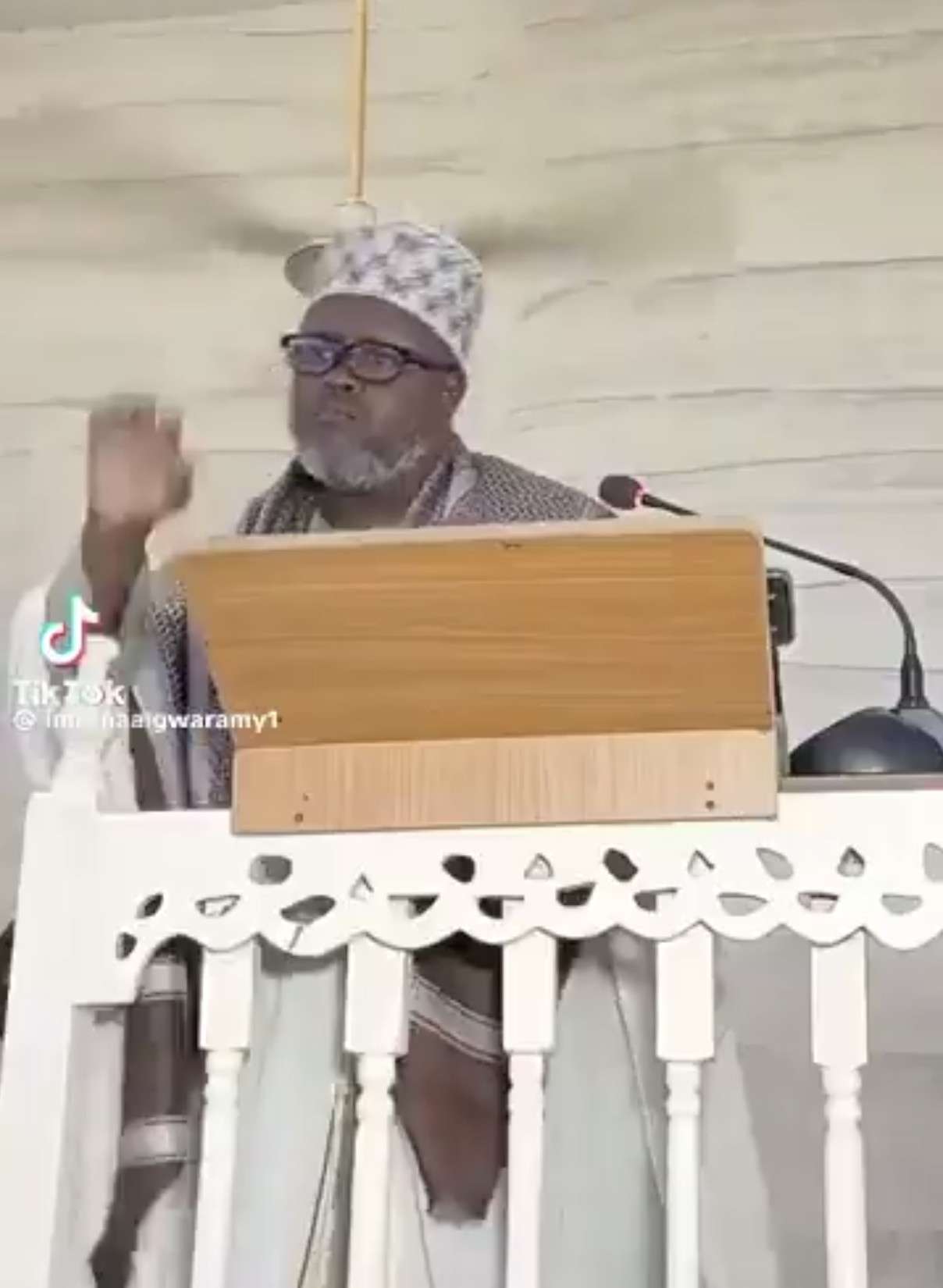
…Alleges President Tinubu Paid 500 Imams ₦3M Each to Promote Government
A northern cleric has urged religious leaders and voters across the region to reject President Bola Ahmed Tinubu in the 2027 presidential election, alleging that a major political mobilisation effort is underway to secure religious support for the President’s re-election.
The cleric made the allegation in a viral video, claiming that about 500 religious leaders were mobilised during five separate meetings allegedly organised to rally support for Tinubu ahead of the 2027 elections.
According to the cleric, three of the meetings were held in Kaduna, while Abuja and Jigawa hosted one meeting each. He alleged that the gatherings were designed to bring influential clerics together and secure their endorsement of the President for a second term.
He further alleged that approximately 500 clerics participated in the meetings, claiming that those who attended the Abuja gathering were given ₦3 million each.
At another meeting, the cleric alleged that participants received parcels containing unspecified amounts of money.
The allegations, however, were not independently verified at the time of reporting.
The cleric expressed concern that the gatherings were allegedly focused more on political mobilisation than on addressing the pressing challenges facing Nigerians, particularly economic hardship, insecurity and the deteriorating living conditions in many communities.
He questioned why religious leaders would be brought together without using the opportunity to discuss the difficulties confronting ordinary citizens or present their concerns and feedback to the government.
According to him, the meetings were largely political events allegedly presided over by governors, with music and praise-singing reportedly forming part of the activities in support of Tinubu.
The cleric strongly criticised what he described as the politicisation of religious leadership, warning that clerics risk losing their moral authority when they become instruments for political mobilisation.
He maintained that religious leaders have a responsibility to speak for the people before government and to represent the interests of God before the people.
He argued that clerics should regularly engage government officials over the suffering and concerns of citizens, demand concrete solutions to insecurity and economic hardship, and ensure that the voices of vulnerable communities are heard.
The development comes as political activities and early mobilisation intensify ahead of the 2027 general elections, with political actors increasingly seeking the backing of influential religious, traditional and community leaders across the country.