
NEWS
President Tinubu Seeks National Assembly Approval for Fresh $20.5bn, €1.04bn Foreign Loans Amid 2027 Election Preparations

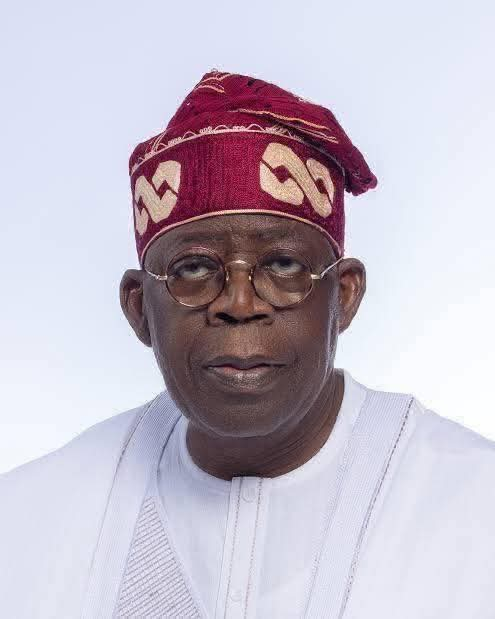
President Bola Ahmed Tinubu has approached the National Assembly for approval to secure fresh external loans totalling $20.5 billion and €1.04 billion to finance critical infrastructure and development projects across Nigeria.
The President’s request was conveyed to lawmakers in a letter read by Senate President Godswill Akpabio during plenary on Tuesday, October 27, 2026, setting the stage for another major debate over the Federal Government’s borrowing plans and the country’s growing financial obligations.
According to the request, the proposed loans are intended to provide funding for critical infrastructure and other development initiatives considered necessary to support national growth and improve public services.
However, the latest borrowing proposal is likely to intensify public discussions about Nigeria’s debt profile, the sustainability of external borrowing and the government’s capacity to meet its financial obligations while addressing the country’s economic challenges.
The timing of the request has also attracted attention, coming as Nigeria approaches the 2027 general elections. With political activities expected to gather momentum in the coming months, the proposal has raised questions among Nigerians about the rationale for seeking additional foreign loans and the potential implications for the nation’s economic future.
For many citizens, the central issues include how the proposed funds would be utilised, the specific projects expected to benefit, the terms of repayment and the extent to which the investments would translate into tangible improvements in the lives of ordinary Nigerians.
The National Assembly’s consideration of the request will therefore be crucial in determining whether the President receives the legislative approval required to proceed with the proposed borrowing.
As the debate unfolds, Nigerians will be watching closely for further details on the projects to be financed, the expected economic benefits and the Federal Government’s plans to ensure that the additional debt delivers measurable value to the country.
The proposal places renewed focus on the balance between borrowing to finance development and safeguarding Nigeria’s long-term fiscal stability, with transparency, accountability and effective utilisation of public funds likely to remain central to the national conversation.