
NEWS
Abia State Govt Tasks Political Appointees on Community Project Maintenance, and Environmental Cleanliness

The Abia State Government has directed political appointees across the state to take greater responsibility for the maintenance and sustainability of projects within their communities as part of efforts to deepen service delivery and promote grassroots development.
The directive, which forms part of resolutions reached at this week’s State Executive Council meeting presided over by Governor Alex Otti, is aimed at ensuring that public infrastructure and community facilities are properly maintained for the benefit of the people.
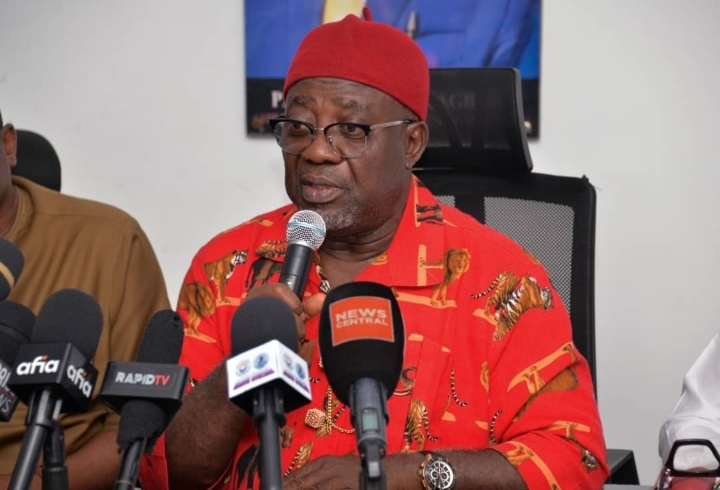
The Commissioner for Information, Prince Okey Kanu, disclosed this on Monday while briefing journalists on the outcome of the meeting.
Prince Kanu explained that the State Executive Council expects political office holders at both the state and local government levels to move beyond rhetoric by actively participating in the upkeep of projects and public facilities located within their areas.
According to him, the government believes that leadership should be demonstrated through action and direct community involvement, especially in areas relating to sanitation, environmental management and the maintenance of public infrastructure.
“It’s not enough to ask the public to take ownership. Appointees at both state and local government levels are expected to lead by example and fix projects where possible,” Prince Kanu said.
The Commissioner further noted that political appointees are expected to support minor repairs in their communities, improve sanitation in schools and contribute towards ensuring cleaner and healthier environments across the state.
He added that the initiative is part of the broader vision of the administration of Governor Alex Otti to sustain ongoing development efforts, encourage community participation and strengthen the culture of accountability in governance.
Prince Kanu maintained that the measures introduced by the State Executive Council were carefully designed to enhance service delivery, improve public confidence in government projects and ensure that developmental strides recorded across the state are properly preserved and sustained for future generations.