
NEWS
Abia Enforces Centralised Transport System, Relocates Operators to Nnenna Oti Bus Terminal

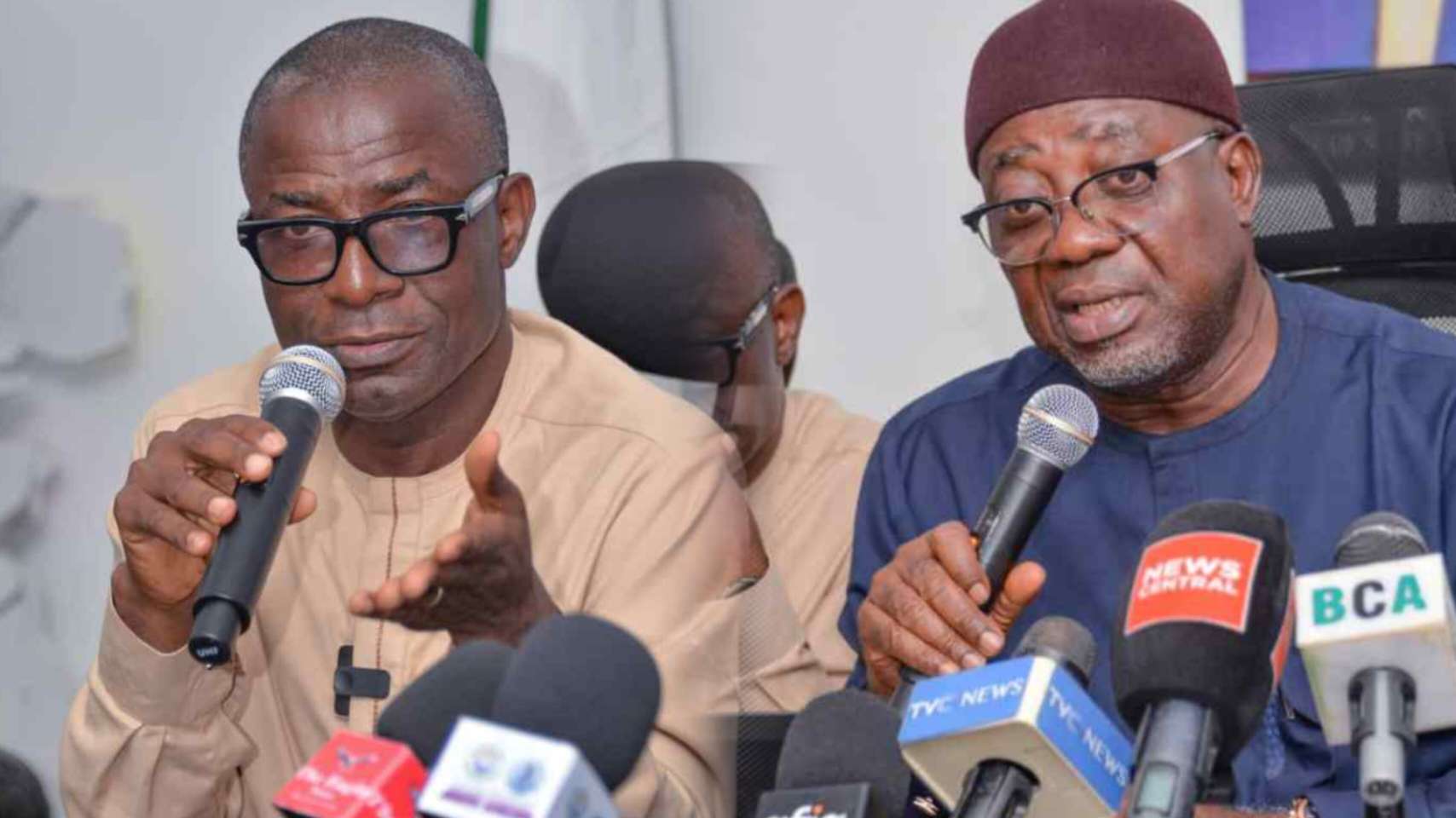
The Abia State Government has commenced the full enforcement of its newly introduced centralised transport system, marking a major step in its ongoing efforts to reform the transportation sector, enhance security, improve traffic management, and promote orderliness across the state.
The enforcement exercise follows the relocation of transport operators to the Nnenna Oti Bus Terminal, a modern facility established by the administration of Governor Alex Otti to streamline transport operations and eliminate the challenges associated with scattered and unregulated motor parks.
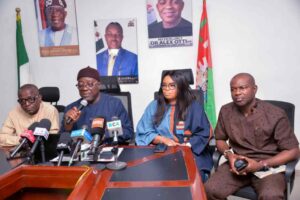
The Commissioner for Information, Prince Okey Kanu, disclosed this on Tuesday while briefing journalists on the outcome of the State Executive Council meeting presided over by Governor Alex Otti.
According to Prince Kanu, operations have fully commenced at the terminal, with informal transport operators and unions already relocated to the facility as part of a phased implementation strategy designed to ensure a smooth transition.
Explaining the implementation framework, the Commissioner said:
“The first phase of operations involves the operations of the Abia Green Shuttle buses. The second phase involves informal transport operators, while the third phase will involve the formal transport operators like God is Good, GUO Motors, the Young Shall Grow group and all other transport operators.”
He noted that the state government has already begun enforcing compliance among transport operators while maintaining continuous engagement with stakeholders to address concerns arising from the transition process.
Prince Kanu acknowledged that some operators had expressed reservations about the new arrangement but attributed such reactions to the natural resistance often associated with major reforms.
“There appears to be some push backs among some of the operators and this is as a result of the fact that people are not easily giving in to change. What is happening is that all the parks in the state have been moved to the bus terminal.
“The honorable commissioner for transport and his team have been holding a series of meetings with all the operators. They had one yesterday. And a few of their anxieties will be addressed very soon. Enforcement also will commence today to bring all the operators into the terminal,” Prince Kanu stated.
The Commissioner emphasized that the government’s objective is not to disrupt the transport business but to create a more organized and secure system that benefits both operators and passengers while projecting a modern image for the state.
Providing further clarification on the reform initiative, the Commissioner for Transport, Dr. Chimezie Isaac Ukaegbu, explained that the government had not deprived anyone of their means of livelihood. Rather, it had introduced a structured operational framework aimed at enhancing efficiency and accountability within the sector.
He disclosed that transport operators have been encouraged to bring all their workers into the terminal environment, where they will be properly profiled and identified through the use of reflective tags.
According to him, this measure is expected to improve security, eliminate unauthorized operators, and make it easier for passengers to identify legitimate transport personnel.
Mr. Ukaegbu further revealed that the terminal operates a transparent loading system in which transport operators are allocated passengers strictly on a first-come, first-served basis, irrespective of union affiliations or group interests.
The Transport Commissioner expressed satisfaction with the level of compliance recorded so far, stating that between 80 and 90 percent of operators had already embraced the new arrangement. He added that government officials would continue engaging the remaining operators to ensure total compliance and smooth implementation of the policy.
He also highlighted the benefits the new system offers commuters, explaining that passengers now purchase tickets at designated ticketing points according to their destinations before proceeding to organized loading bays to board vehicles.
According to him, the arrangement eliminates the disorder, confusion, touting, and harassment that previously characterized many transport parks, while providing a safer and more convenient experience for travelers.
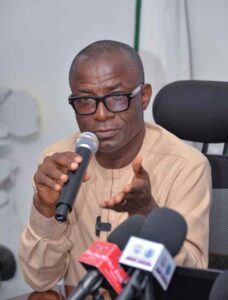
Also speaking on the development, the Special Adviser to the Governor on Media and Publicity, Mr. Ferdinand Ekeoma, defended the service charges introduced at the terminal, describing them as necessary measures to guarantee the long-term maintenance and sustainability of the facility.
Ekeoma maintained that the centralisation of transport operations would significantly reduce traffic congestion, eliminate indiscriminate loading and offloading activities within urban centres, and address security concerns arising from the activities of unregulated transport operators.
He stressed that the reform aligns with the administration’s broader vision of creating a safer, cleaner, and more organized Abia State, adding that “Abia State shouldn’t be a dumping ground for people who are fleeing from different places.”
The enforcement of the centralised transport system is widely regarded as one of the most ambitious transport reforms undertaken by the present administration and is expected to transform the state’s transportation landscape while improving the overall commuting experienc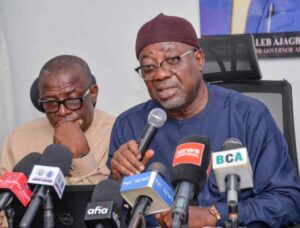
 e for residents and visitors alike.