
COMMENTARY
AFCON Prophecy Controversy: Pastor Adeboye Urges Discernment as Lookman’s Match-Winning Brilliance Contradicts Viral Prediction

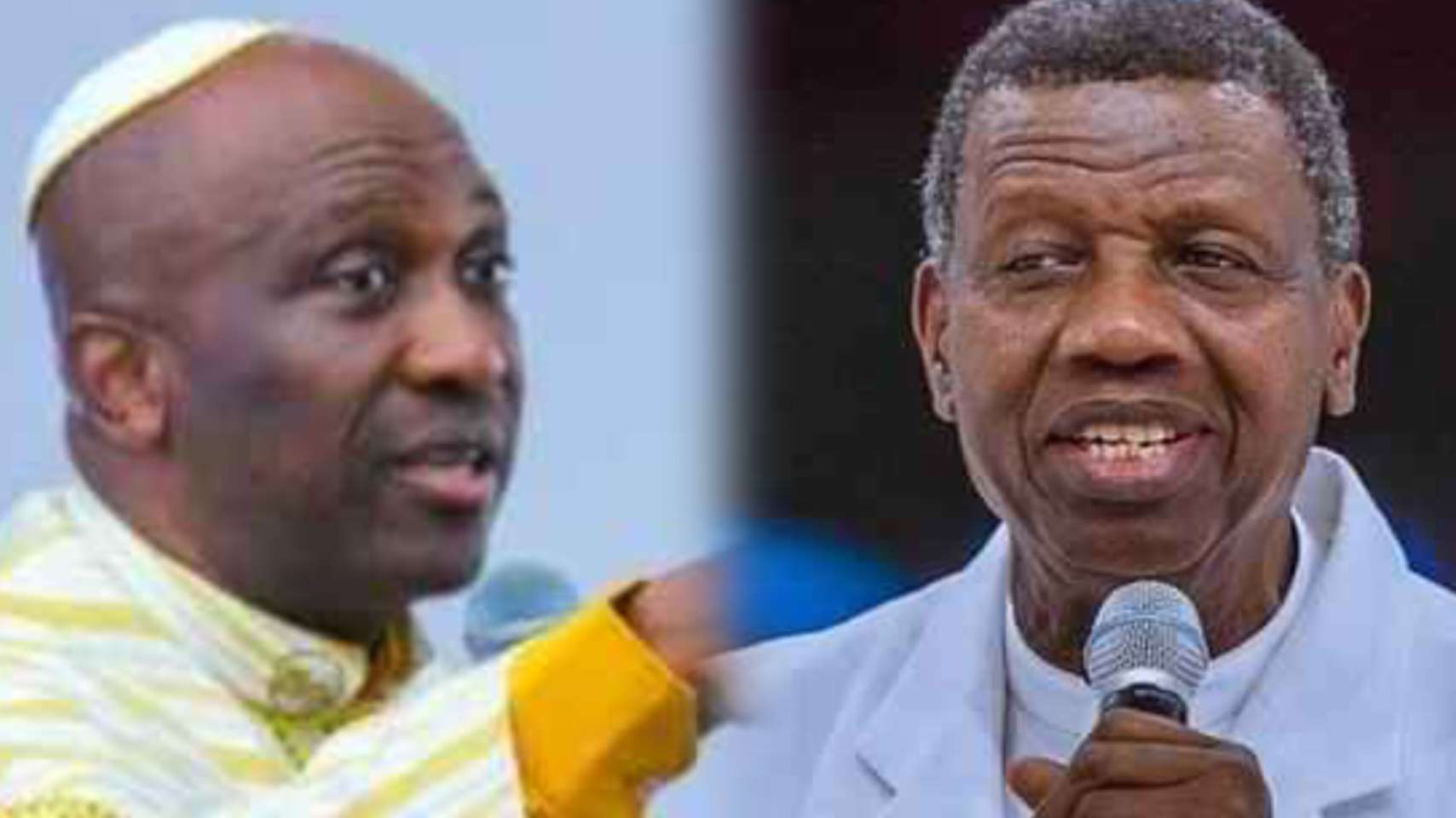
The General Overseer of the Redeemed Christian Church of God (RCCG), Pastor Enoch Adeboye, has reignited national debate on prophecy, faith, and spiritual discernment following reflections on a controversial prediction linked to Nigeria’s Africa Cup of Nations (AFCON) campaign.
Speaking during a recent programme at the RCCG Redemption City, Adeboye cautioned Christians to exercise wisdom and spiritual maturity when reacting to prophetic pronouncements, warning against the growing prevalence of what he described as sensational and questionable prophecies gaining attention in the public space.
Although he avoided mentioning any individual by name, the respected cleric made reference to a widely circulated prophecy attributed to Primate Elijah Ayodele, who was reported to have advised, ahead of the 2025 AFCON in Morocco, that Super Eagles winger Ademola Lookman should not be included in the national squad.
The prophecy, which spread rapidly across social media platforms, was interpreted by many as a prediction of misfortune or poor performance for the Atalanta forward, sparking intense debate among football fans and faith communities alike.
However, events on the pitch appeared to contradict that narrative. Lookman emerged as a decisive figure for Nigeria, scoring the winning goal in the Super Eagles’ 2–1 opening victory over Tanzania. He further underlined his importance with a standout display against Tunisia, where he scored once and provided two assists in a thrilling 3–2 win that secured Nigeria’s place in the knockout stage.
Reflecting on the episode, Adeboye said he was amused when he first encountered the prophecy, noting how subsequent developments unfolded in stark contrast to the prediction.
“I was laughing when I read that a prophet said that if we wanted to win a match, a particular player must not be selected, and they ignored him, and the same player scored the winning goal.
“I just said, glory be to God,” he told the congregation.
While reaffirming that genuine prophecy remains an integral part of the Christian faith, Adeboye emphasized the need for discernment, urging believers not to automatically accept every spiritual claim as divinely inspired. Drawing from biblical examples, he stressed that authentic breakthroughs are rooted in true divine direction rather than dramatic or attention-seeking declarations.
“Be careful how you handle a prophet that God has truly sent to you,” he warned, clarifying that his remarks were not targeted at the many self-acclaimed prophets seeking public relevance.
In the course of his message, Adeboye also clarified his personal calling within the church hierarchy.
“I am not a prophet; I am a pastor,” he said. “It is only that once in a while, God speaks to me, and I believe many of you will not forget what you have heard today.”
His comments come against the backdrop of ongoing public discourse in Nigeria on the intersection of faith, prophecy, and sports, particularly during emotionally charged tournaments such as the AFCON, where spiritual interpretations often accompany national expectations.
Meanwhile, Primate Ayodele has since defended his earlier remarks, insisting that they were misconstrued and should be assessed within the broader context of the entire tournament rather than judged solely on individual matches.