
NEWS
Ghana Moves to Stop Russia’s Illegal Recruitment of African Youths for Ukraine War as 62 Ghanaians Die

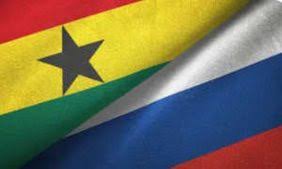
Ghana has intensified efforts to stop the alleged illegal recruitment of its young citizens by Russia to fight in the ongoing war against Ukraine, as mounting evidence points to a widespread recruitment network targeting vulnerable Africans with deceptive promises of employment, lucrative salaries and other benefits.
The growing crisis has raised serious concerns across the continent, with independent tracking agencies estimating that at least 37 African countries have been affected by coordinated schemes allegedly designed to lure young people into Russia’s military operations under false pretences.
The revelations have heightened fears that thousands of Africans seeking better economic opportunities may be unknowingly placing their lives at risk by responding to online advertisements offering jobs, visa assistance and other attractive opportunities, only to find themselves drawn into a deadly foreign conflict.
According to the INPACT research group, at least 272 Ghanaians have fought for Russia, making Ghana the African country with the third-highest number of reported recruits. Egypt recorded the highest figure, with 361 recruits, followed by Cameroon with 335.
Other African countries whose citizens have reportedly been heavily recruited include Algeria, The Gambia, Kenya, Mali, Nigeria and South Africa, highlighting the continental scale of the alleged recruitment operations.
The human cost has been particularly devastating for Ghana, where the number of citizens confirmed to have died while fighting for Russia had reached 62 by mid-August.
Faced with the growing death toll and the disturbing circumstances surrounding the recruitment of Ghanaian nationals, the country’s Foreign Affairs Minister, Samuel Okudzeto Ablakwa, travelled to Moscow to meet his Russian counterpart, Sergei Lavrov, in an effort to address the situation diplomatically.
During the meeting, Ablakwa called on Moscow to take immediate action to end the practice, urging Russia to “stop the illegal recruitment of these Ghanaians.”
The Ghanaian government has expressed concern that its citizens are being exposed to a war in which their country has no direct involvement, with young people allegedly deceived into military service through employment opportunities that turn out to be vastly different from what was advertised.
“As a responsible government, we cannot turn a blind eye to these shocking statistics. This is not our war, and we cannot allow our young people to become human shields for others,” Ablakwa said in an INPACT report.
Although Russia reportedly pledged to stop recruiting Ghanaians, concerns have persisted over whether the commitment has translated into meaningful action on the ground.
The continued recruitment of African nationals has raised questions about the effectiveness of diplomatic assurances and the willingness of the relevant authorities to dismantle the networks allegedly responsible for deceiving vulnerable job seekers.
Kenyan newspaper The Star highlighted the concern in an editorial, raising “questions about how effectively agreements reached between governments are being enforced on the ground.”
The controversy has also triggered growing demands for transparency and accountability, particularly regarding the circumstances under which foreign nationals are recruited into Russia’s military and the measures taken to protect citizens of other countries from deceptive recruitment practices.
Richmond Acheampong, editor-in-chief of the Ghanaian digital news platform The International Lens, questioned whether Russia had done enough to prevent, investigate or punish the alleged recruitment schemes.
“That distinction is crucial. A credible partner does not merely deny an allegation; it helps establish the facts. It identifies recruitment networks, cooperates with investigations, accounts for foreign nationals serving in its military and provides transparent information to the governments whose citizens are involved,“ Acheampong wrote for the Modern Ghana news website.
Acheampong’s comments underscore the growing expectation that Russia should do more than issue diplomatic assurances, including identifying recruitment networks, assisting investigations and providing clear information about African nationals serving in its armed forces.
Beyond diplomatic engagements, recent investigations have also drawn attention to the role of digital platforms in facilitating the recruitment of African youths into the Russian military.
Research conducted by iLAB, the technical investigations team of Code for Africa, found that the Kremlin was using digital tools, including websites, fake internet domains and social media profiles, to attract Africans into military service.
According to the investigation, recruitment campaigns originating in Russia and Belarus allegedly relied on misleading advertisements, forged endorsements and promises of generous financial benefits to attract unsuspecting applicants.
Some of the victims were reportedly lured by advertisements offering construction jobs, assistance with obtaining visas and even opportunities to work in film productions.
However, what initially appeared to be legitimate employment opportunities allegedly became pathways into military service, exposing recruits to the dangers of the Russia-Ukraine war.
The investigation further found that several websites associated with the recruitment campaigns shared common internet protocol addresses, suggesting possible links between the platforms.
Investigators also observed that many of the websites were designed to be temporary and easily replaced after attracting attention or becoming compromised.
The strategy was described as “burn and replace,” a method that allows operators to abandon exposed websites and establish new ones, potentially making it more difficult for investigators to trace the networks and bring those responsible to justice.
The findings have intensified concerns about the use of digital platforms to exploit economic hardship in African countries, where unemployment and the search for opportunities abroad can make young people particularly vulnerable to fraudulent job offers.
For Ghana and other affected countries, the challenge now extends beyond diplomatic protests to include public awareness campaigns, stronger investigations into suspicious recruitment activities and improved cooperation among governments, technology investigators and law enforcement agencies.
The controversy has also reopened a broader debate about Africa’s strategic relationship with Russia, particularly as Moscow continues to pursue greater influence on the continent through military partnerships, resource extraction and infrastructure development.
Some analysts argue that African governments must reassess the benefits of these partnerships in light of concerns about the recruitment of their citizens into a foreign war and the implementation of major bilateral agreements.
European Union Ambassador to Ghana, Rune Skinnebach, expressed doubts about Russia’s reliability as a strategic partner in a September report by Ghanaian newspaper The Diplomatic Times.
Skinnebach described Russia as “neither a credible nor reliable partner” for Ghana, citing several major commitments that, according to him, had not been delivered.
Among the projects he referenced were a proposed nuclear power project, a $1 billion Russia Export Centre facility and a $12.5 billion railway project intended to link Ghana’s capital, Accra, to Paga.
The concerns have added another dimension to the debate over whether Russia’s diplomatic promises and economic partnerships have produced the expected results for Ghana.
Acheampong agreed with Skinnebach’s assessment, arguing that the credibility of international partnerships should be judged by tangible outcomes rather than diplomatic appearances or the number of agreements signed.
“A diplomatic partnership is not measured by handshakes, communiqués or the number of agreements signed. It is measured by trust, delivery and responsibility. On that test, Moscow has yet to demonstrate that it is a credible and reliable strategic partner for Ghana,“ Acheampong wrote for the Modern Ghana news website.
Nevertheless, Acheampong acknowledged that Russia’s efforts to present itself as an alternative partner to Western countries can be attractive to African governments seeking to diversify their international relationships.
He maintained, however, that the appeal of alternative partnerships should not prevent African countries from examining the practical benefits, risks and obligations attached to agreements with Moscow.
“If Western governments announce projects and fail to deliver, Ghana should scrutinize them. If China signs infrastructure agreements that stall, Ghana should ask why.
“Russia should receive precisely the same treatment. That is not hostility toward Russia. It is normal statecraft,” Acheampong wrote.
The unfolding controversy presents Ghana and other affected African countries with two interconnected challenges: protecting their citizens from deceptive recruitment into a dangerous foreign conflict and ensuring that international partnerships deliver genuine benefits to their people.
With dozens of Ghanaian nationals already reported dead and hundreds more having fought for Russia, pressure is likely to grow on the Ghanaian government to seek greater accountability, establish the full circumstances surrounding the recruitment of its citizens and strengthen safeguards against similar schemes.
The wider implications extend across Africa, where the reported involvement of nationals from 37 countries suggests that the problem cannot be addressed effectively through isolated national responses alone.
For affected governments, the priority is increasingly clear: scrutinise suspicious overseas employment offers, investigate recruitment networks, demand transparency from foreign partners and ensure that young Africans seeking better lives are not deceived into becoming participants in a war that is not theirs.