
NEWS
Heineken CEO, Dolf van den Brink, Resigns After Six Turbulent Years, as Brewer Enters New Strategic Phase Amid Industry Headwinds

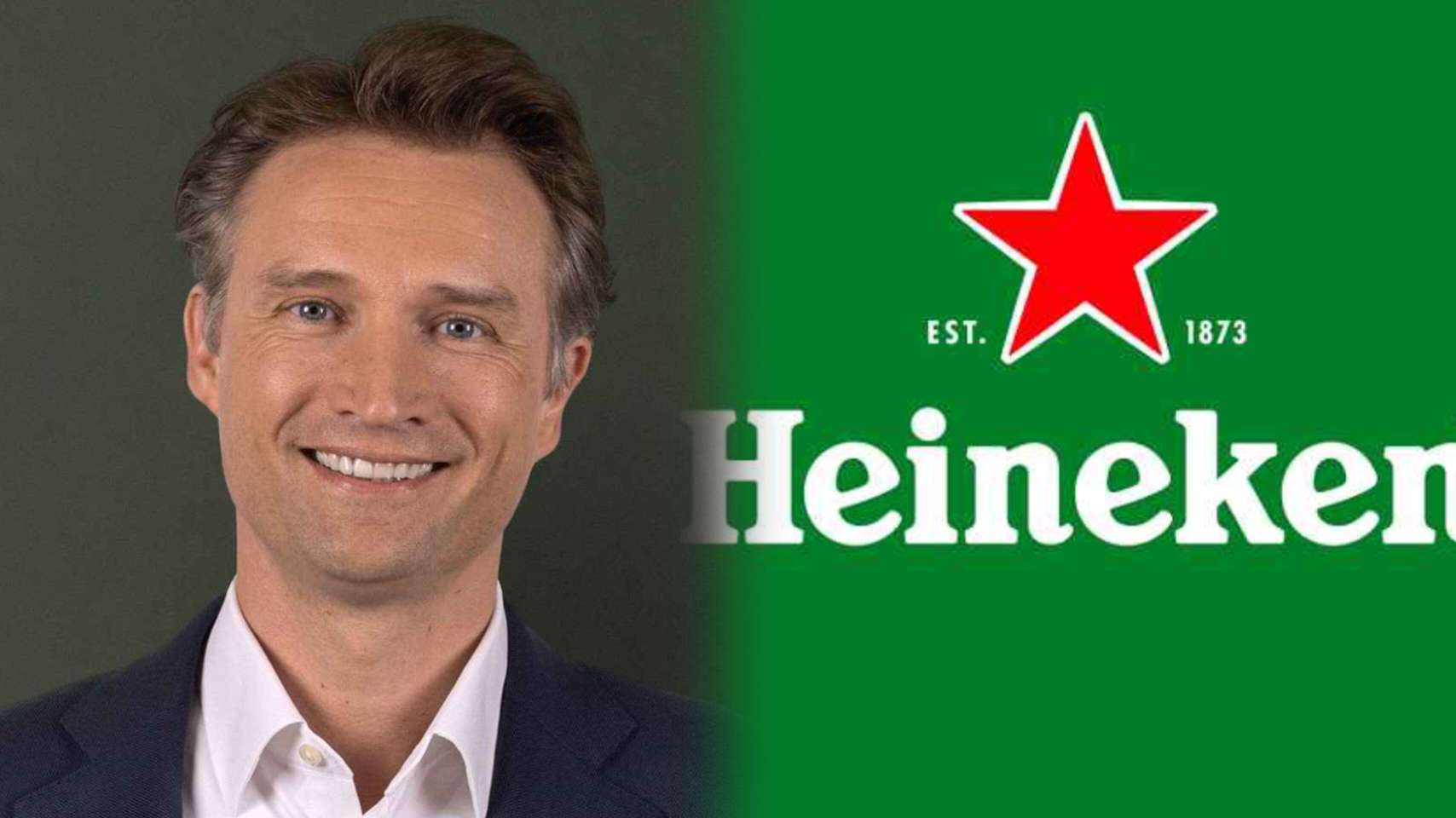
Heineken’s Chief Executive Officer, Dolf van den Brink, has announced his unexpected resignation, bringing to an end a six-year tenure that began at the height of the COVID-19 pandemic and spanned one of the most challenging periods in the global beer industry.
The Dutch brewing giant confirmed on Monday, January 12, that van den Brink, who assumed the role in June 2020, will formally step down on May 31. He will, however, continue to support the company in an advisory capacity for a further eight months to ensure continuity. The company’s supervisory board disclosed that a formal process has commenced to identify a successor who will steer the brewer into its next phase.
Heineken owns a portfolio of globally recognised brands, including Heineken, Amstel and Tiger.
Explaining the timing of the leadership change, both van den Brink and supervisory board chairman, Peter Wennink, noted that the decision follows shortly after the unveiling of Heineken’s long-term strategic roadmap through 2030.
They maintained that the company had “reached a stage where a transition in leadership will best serve the company in further executing its long-term ambitions.”
Van den Brink, for his part, said he would remain “fully focused” on delivering the strategy until his departure date.
The announcement unsettled investors, with shares in the world’s second-largest brewer falling by about 2% in early European trading.
Van den Brink’s departure places him among a growing list of consumer-sector executives exiting amid prolonged pressure on household spending and softer demand for discretionary products. The brewing industry has faced particular difficulties in reigniting beer consumption, which has been repeatedly disrupted by unfavourable weather patterns, geopolitical uncertainty and shifting preferences among younger consumers. Additionally, the rising popularity of weight-loss drugs widely perceived as reducing food and beverage intake has further unnerved investors across the sector.
Heineken itself has not been immune to scrutiny, drawing criticism from analysts and shareholders for lagging behind some competitors in cost efficiency and shareholder returns. The next chief executive will inherit the demanding task of delivering on Heineken’s 2030 plan, which focuses on targeted investment in priority brands and markets, alongside ambitious goals for sales growth, profitability and cost savings.
During his tenure, van den Brink guided the company through unprecedented global disruptions, including pandemic-induced shutdowns, inflationary pressures, and sharp currency volatility in key markets such as Nigeria and Vietnam. His leadership also weathered investor backlash over forward guidance, while overseeing strategic acquisitions in India and South Africa and implementing a significant restructuring programme.
In 2025, Heineken found itself at the centre of a high-profile dispute with European retailers over pricing, a clash that temporarily saw some of its products removed from store shelves. As the company prepares for a leadership transition, attention will now turn to how effectively it can execute its long-term strategy amid an evolving and increasingly complex
 global beer market.