
NEWS
“Just Three Platforms Deactivated Over 28 Million Accounts in One Year” — NITDA DG, Kashifu Abdullahi Sounds Alarm on Rising Social Media Abuse in Nigeria

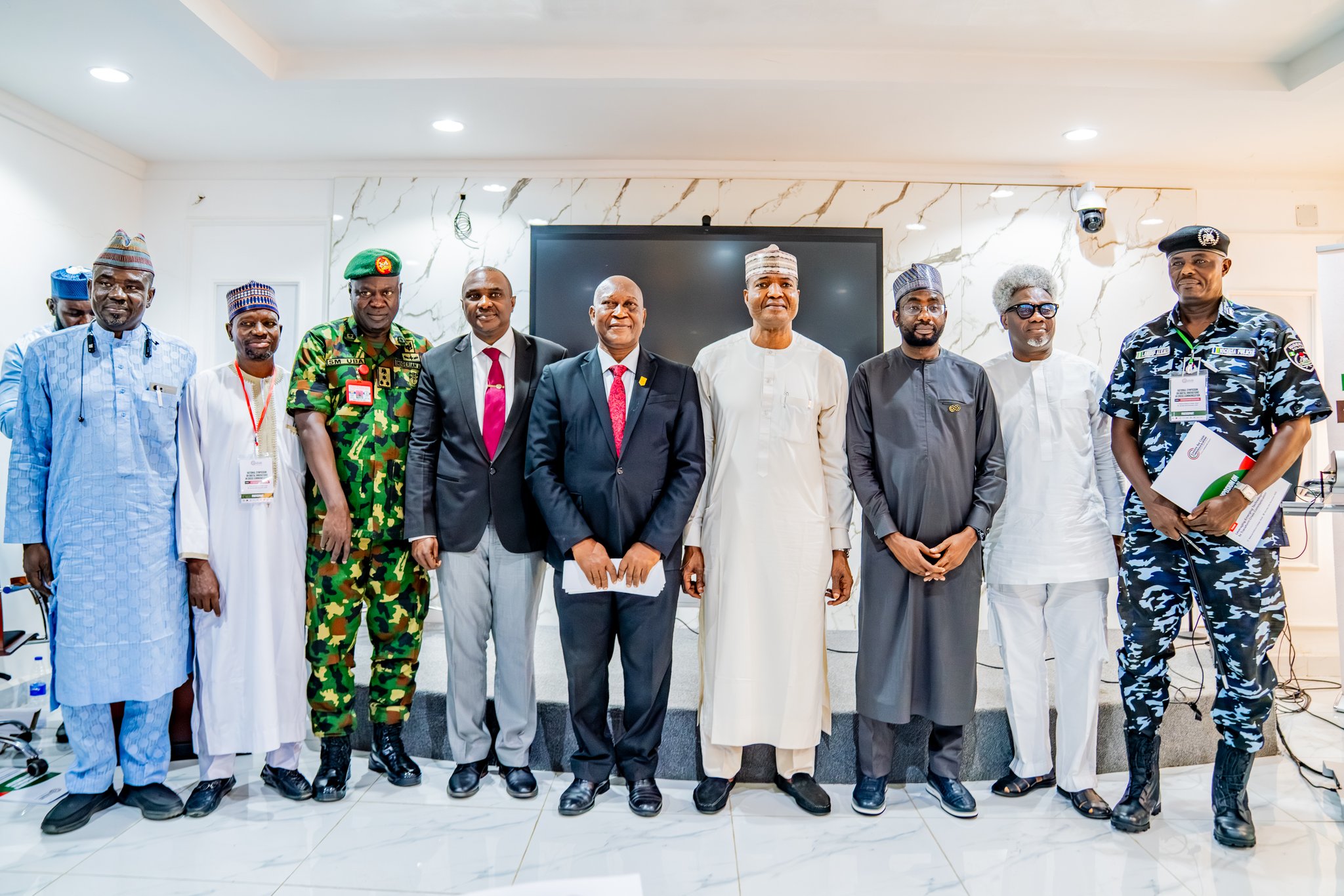
The Director-General of the National Information Technology Development Agency (NITDA), Kashifu Abdullahi, on Monday revealed alarming figures showing that three major global technology platforms — Google, LinkedIn, and TikTok, deactivated over 28 million accounts within the last year, many linked to Nigerian online actors.
The accounts were reportedly deactivated for fraud, impersonation, and spreading harmful content, highlighting the growing weaponisation of social media in Nigeria’s digital space, Abdullahi said.
The disclosure was made during a symposium on digital innovations in crisis communication organised by the Centre for Crisis Communication in Abuja.
Scale of Online Abuse “Outrageous”
According to Abdullahi, Google alone shut down 9,680,141 accounts, while LinkedIn, a platform “mostly reserved for professionals” removed nearly 16 million accounts, a figure he described as “outrageous.” TikTok also carried out high-volume account suspensions.
“Just three platforms — Google, LinkedIn and TikTok, deactivated over 28 million accounts last year,” Abdullahi said.
“LinkedIn removed almost 16 million. For me, this is outrageous because LinkedIn is mostly a professional site.
“So why are people using it to cause crises and other things? They use it for impersonation and for social engineering to defraud organisations and individuals.”
Massive Removal of Harmful Content
Beyond account suspensions, the NITDA DG disclosed that global tech platforms removed more than 58.9 million pieces of harmful content linked to Nigeria during the same period. At least 420,000 posts were restored following appeals or internal reviews.
Abdullahi explained that these actions are part of strengthening collaborations between the Nigerian government and global technology giants to curb disinformation, online scams, extremist propaganda, and coordinated digital abuse.
However, he cautioned that while harmful content must be removed swiftly, governments must not weaponise takedown systems to silence critics or suppress minority voices.
“If content is not violating any laws in Nigeria, there is no way we can just say take it down,” he said, emphasising the need for a transparent, rights-respecting reinstatement process.
Collaboration and Regulatory Reforms
The NITDA DG noted that collaboration with tech platforms has improved communication between regulators and companies, supporting reforms such as the Nigeria Data Protection Regulation, which eventually led to the establishment of the Nigerian Data Protection Commission.
Speaking on behalf of the Minister of Information and National Orientation, Mohammed Idris, the Director-General of the Voice of Nigeria, Jibrin Ndace, stressed that emerging technologies must be used to strengthen crisis communication, not inflame tensions or destabilise the country.
“It is not only the insecurity that we battle, but also the narrative that frames the insecurity,” the minister warned, highlighting that information dissemination now shapes public perception and national stability.
Crisis Communication as a Strategic National Security Asset
The Chairman of the Centre for Crisis Communication, Maj Gen Chris Olukolade (retd.), described crisis communication as a strategic national security asset, noting that modern emergencies unfold at the speed of social media and demand rapid, verified responses from institutions.
He warned that survival during crises increasingly depends on timely access to credible information, coordinated institutional action, and the public’s ability to respond quickly.
A Growing Concern for Nigeria
The revelations come amid growing concerns over Nigeria’s expanding cybercrime ecosystem, impersonation rings targeting professionals, and the widespread use of social media for political propaganda, scams, and  coordinated misinformation campaigns.