
NEWS
Khalaf Ahmad Al Habtoor Demands Donald Trump Explain Decision to Drag Gulf Into War with Iran, Says “Who Gave You the Authority to Drag Our Region Into a War with #Iran?”

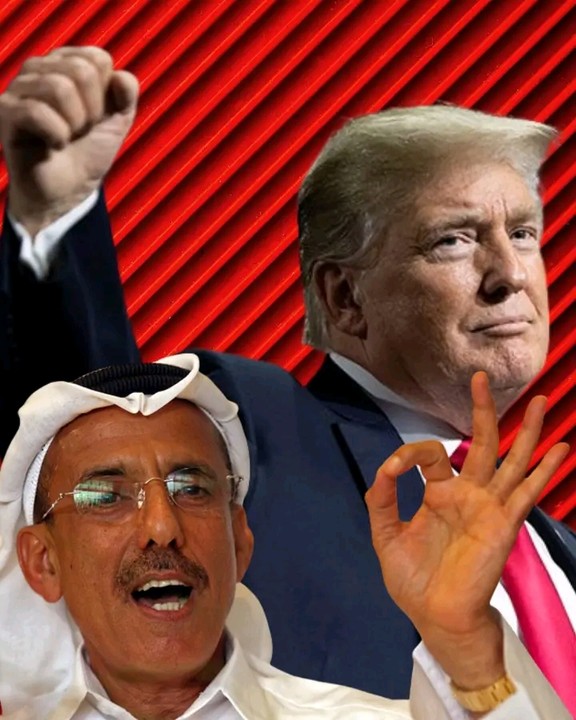
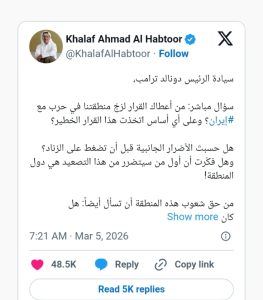 Khalaf Ahmad Al Habtoor, a prominent Emirati businessman and founder of the diversified Al Habtoor Group, has publicly challenged former US President Donald Trump over his decision to engage in military action against Iran, questioning whether the potential risks to Gulf nations were ever considered.
In a scathing open letter posted on X, Habtoor directly addressed Trump, demanding clarity on the controversial military escalation. He wrote:
“Who gave you the authority to drag our region into a war with #Iran? And on what basis did you make this dangerous decision? Did you calculate the collateral damage before pulling the trigger? And did you consider that the first to suffer from this escalation will be the countries of the region itself!“
The Emirati businessman further questioned whether Trump acted independently or under external pressure, particularly from Israel. He asked:
“The peoples of this region have the right to ask as well: Was this your decision alone? Or did it come as a result of pressures from #Netanyahu and his government?“
Habtoor, whose Al Habtoor Group operates across hospitality, automotive, car leasing, real estate, education, and publishing sectors, also accused the former US President of putting Gulf countries in an unnecessary and dangerous position. He stated:
“You (Trump) have placed the countries of the #GulfCooperationCouncil and the Arab countries at the heart of a danger they did not choose. Thank God, we are strong and capable of defending ourselves, and we have armies and defences that protect our homelands, but the question remains: Who gave you permission to turn our region into a battlefield?“
The open letter underscores growing regional concerns over decisions made by global powers that directly affect the security and stability of Gulf nations.
Habtoor’s bold call for accountability reflects the perspective of many in the Middle East who view the region as being drawn into conflicts not of its own making.